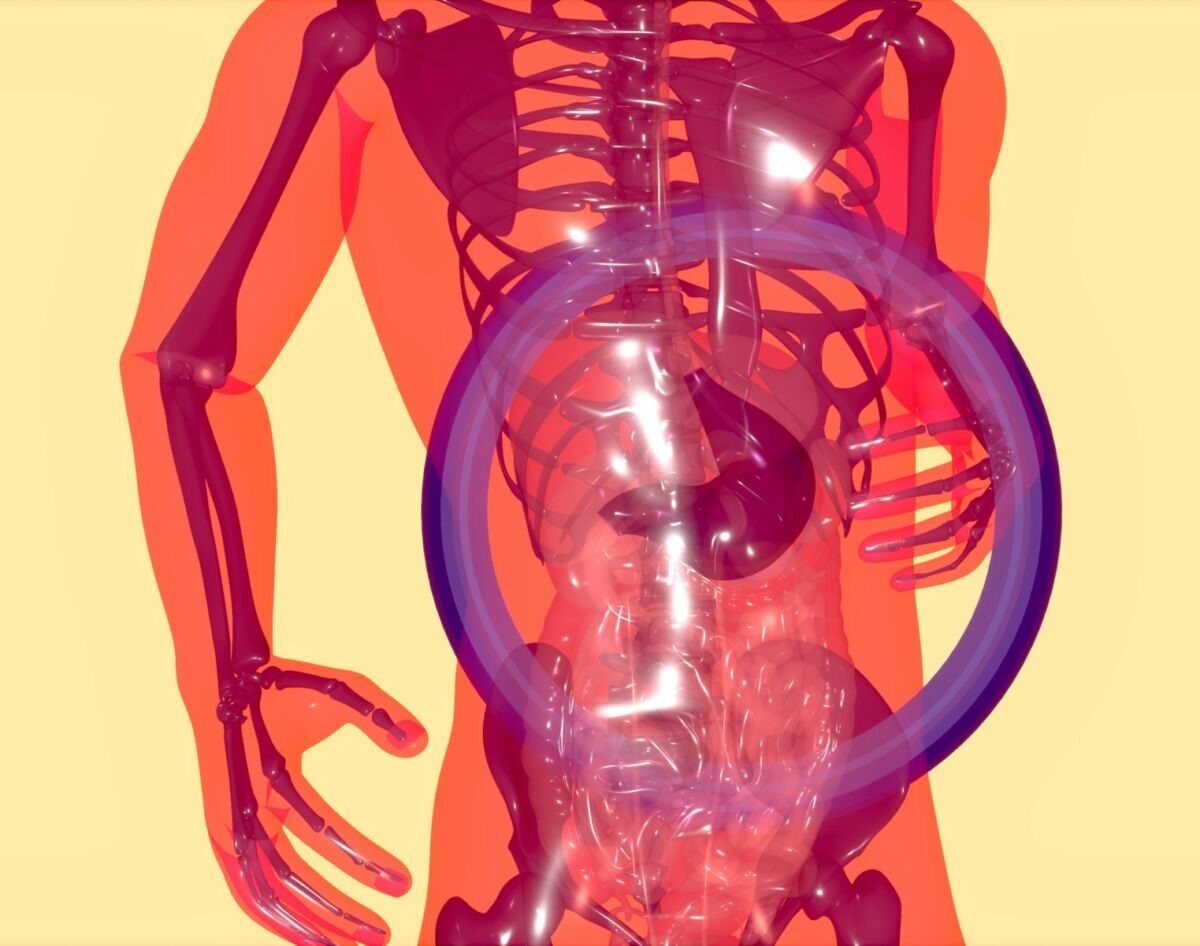

Understanding How Your Gut Bacteria Could Be Raising Your Blood Pressure
I find myself checking my pulse after a long day of data crunching, noticing how the subtle rhythms of my body mirror the state of my digestive system. We often view our internal organs as isolated silos rather than a singular, interconnected network that dictates our daily energy and heart health. My research into the microbiome reveals that the silent inhabitants of our intestinal tract possess a profound influence over the vascular system.
When these microscopic communities fall out of balance, the resulting chemical signals may ripple outward to affect systemic circulation. This delicate dance between the microbes residing in our gut and our cardiovascular wellbeing is a subject of growing focus within the scientific community. The way our digestive ecosystem manages nutrient breakdown directly affects the tension within our arteries.
Could Your Gut Bacteria Be Raising Your Blood Pressure? Yes, emerging evidence suggests that an imbalance in the intestinal microbiome can contribute to higher arterial pressure through the production of specific metabolites and inflammatory pathways. Maintaining a diverse population of beneficial organisms appears to assist in regulating these vascular forces effectively.
Key Takeaways
- Research from the National Institutes of Health indicates that a reduction in microbial diversity is often linked to arterial stiffness.
- Short-chain fatty acids produced by gut microbes regulate blood vessel dilation in levels ranging from 10 to 30 percent of total dietary fiber energy.
- The presence of certain bacteria species correlates with a significant shift in systemic pressure markers within controlled study environments.
Diverse Microbiome Impact On Systemic Vascular Function
The internal environment of the gastrointestinal tract functions much like a bustling city. Each species of bacteria performs a specific job that contributes to the stability of the entire host. When the balance tilts toward harmful strains, the metabolic outputs change, potentially causing systemic stress.
These organisms process the food we consume, transforming fibers into compounds that interact with our vascular walls. When the community lacks variety, the signal chain weakens. A lack of beneficial metabolic byproducts may lead to a higher state of reactivity within the circulatory system.
| Microbial Factor | Primary Outcome | Vascular Effect |
| High Diversity | Stable Output | Optimal Pressure |
| Low Diversity | Increased Stress | Arterial Tightness |
| Beneficial Fiber | Fatty Acid Gain | Smooth Dilation |
The Role Of Short Chain Fatty Acids In Cardiovascular Health
Our bodies rely on beneficial microbes to ferment prebiotic fibers into helpful substances. Among these, short chain fatty acids serve as a primary fuel for cells lining the colon. These molecules also enter the bloodstream to perform essential functions throughout the body.
They act as chemical messengers that communicate with the cells controlling the diameter of our vessels. When levels remain high, the vessels stay supple and responsive. A deficiency in these fatty acids is often observed alongside elevated pressure readings in many wellness reports.
Education from the National Library of Medicine highlights the direct correlation between fiber consumption and metabolic regulation. By fueling the right bacteria, we indirectly support the health of our vascular network. This process demonstrates why plant-rich nutrition remains a central pillar for those prioritizing long term heart endurance.
Concrete Demonstration Of Fiber Intake And Arterial Response
To understand the math behind this relationship, consider a daily intake calculation. An individual consuming 30 grams of diverse plant-based fiber likely supports a wider array of bacterial species. This level of intake creates a steady stream of protective metabolites throughout the day.
Imagine a scenario where intake drops to 10 grams of processed starch. The microbial community shifts to favor species that do not produce beneficial fatty acids. This 20-gram deficit often results in a measurable decline in arterial flexibility over a period of several months.
1. Identify total daily fiber intake using a simple tracking app. 2. Compare this number against the 30-gram threshold for diversity. 3. Adjust by adding one serving of fermented vegetables or legumes to each meal. 4. Monitor the trend of energy levels rather than focusing on daily fluctuations.
Connection Between Gut Health And Hypertension Through Inflammation
Inflammation serves as a common denominator for many health challenges. When the intestinal lining becomes permeable, molecules can leak into the bloodstream. This triggers an immune response that creates systemic heat and pressure.
The immune system identifies these invaders and initiates a defense. This chronic activation causes vessels to become less flexible. A steady state of calm within the gut is required to prevent this reactive cycle.
The University of California research notes that modulating the intestinal environment can significantly lower systemic inflammatory markers. Reducing this internal friction helps the heart pump with less resistance. Creating this environment requires patience and a commitment to whole-food nutrition.
Practical Strategies For Maintaining A Balanced Internal Ecosystem
Supporting the micro-population requires a consistent approach to selection. Start by introducing variety to every plate. Each color in a vegetable adds a different type of fiber for the gut to utilize.
Choose raw or lightly cooked vegetables to preserve the structural integrity of the nutrients. Fermented options such as sauerkraut or kimchi provide direct support for microbial colonization. These additions act as natural supplements for a well-functioning internal system.
Limit the intake of refined sugars that feed less helpful bacteria. Sugars create a rapid spike in energy but offer no sustenance for the beneficial species. Prioritize complex carbohydrates that sustain the population over longer durations.
Frequently Asked Questions
How quickly does dietary change affect the microbial population?
The microbial population responds with surprising speed to shifts in nutrient intake. Changes in the dominant species can occur within just a few days of introducing high-fiber, plant-heavy food sources.
While the population structure shifts quickly, the secondary effects on systemic pressure require more time to stabilize. Consistency over weeks remains the most effective way to observe genuine change in your internal readings.
Are probiotic supplements necessary for managing arterial pressure?
Supplements may offer a supportive role, yet they cannot replace the complexity of whole-food nutrition. Whole foods provide a matrix of vitamins, minerals, and various fibers that manufactured pills often lack.
I suggest focusing on diverse food sources as the foundation for your routine. If you choose to add supplements, seek guidance to ensure the strains align with your specific wellness goals.
Does hydration status impact the gut-heart relationship?
Water is essential for the movement of waste and nutrients through the digestive tract. Dehydration can lead to a sluggish system, which slows the transition of metabolites into the bloodstream.
Staying well-hydrated helps maintain the mucosal layer of the gut. This lining acts as a critical barrier that prevents inflammation and supports overall vascular stability.
Can physical movement change the composition of gut bacteria?
Activity levels are directly tied to the diversity of your internal community. Movement encourages blood flow to the digestive organs and helps regulate the speed of digestion.
This rhythmic internal stimulation supports the survival of diverse bacterial species. Moderate activity integrated into your daily flow provides a significant advantage for both the gut and the heart.
What is the most important food group to add for better vascular health?
Legumes and beans stand out as essential additions for their combination of fiber and protein. These foods provide long-burning fuel for the beneficial species that keep the arterial walls relaxed.
I advise starting with small portions to allow the system to adapt. Over time, these plants become a cornerstone for maintaining a stable and calm cardiovascular environment.
The Bottom Line
The link between your internal bacterial balance and your heart is clearer than ever. When we prioritize the health of our intestinal community, we provide our vascular system with the necessary tools for long-term stability. Maintaining a diverse diet rich in plants is the most effective way to nurture these silent, helpful inhabitants.
Could Your Gut Bacteria Be Raising Your Blood Pressure? If the research suggests this is a possibility, focus on increasing your daily fiber diversity today. Never stop or change any medication without consulting the provider who recommended it. Consult a licensed healthcare provider before starting any new wellness routine.
Get Your FREE Natural Health Guide!
Subscribe now and receive our exclusive ebook packed with natural health tips, practical wellness advice, and easy lifestyle changes, delivered straight to your inbox.