
Understanding Why Hip Flexor Stretches For Sperm Flow Help Mobility
I feel the tightness in my own lower body after hours spent at my desk. Many individuals ignore the tension that builds in the front of the hips from sitting all day. This physical restriction influences blood distribution and nerve pathways throughout the pelvic floor.
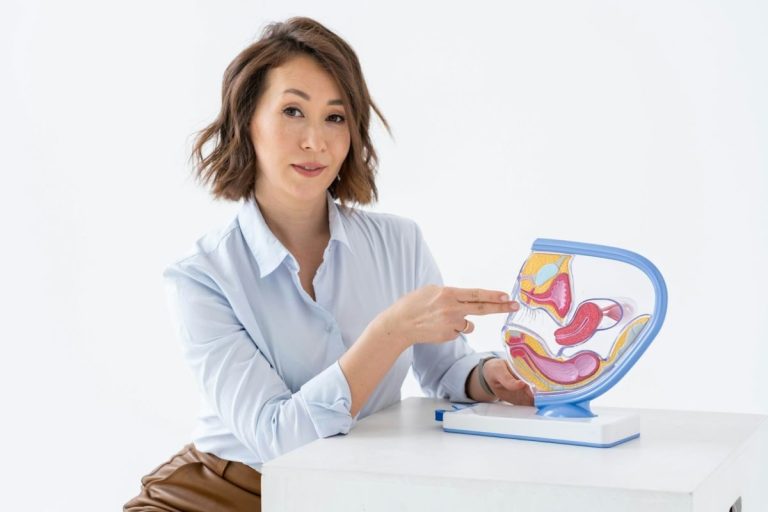
Modern wellness research suggests that structural alignment impacts fluid circulation across the entire reproductive region. Tight muscles in the groin area often compress local pathways that support healthy tissue function. Addressing these tight structures can potentially support better physiological conditions in the pelvic bowl.
Hip flexor stretches for sperm flow help mobility by reducing the muscular tension that restricts pelvic blood circulation. When the psoas and surrounding tissues remain supple, the body maintains better fluid pathways and lowers mechanical pressure on the reproductive organs. This practice promotes a more relaxed environment for natural biological processes to function without obstruction.
Key Takeaways
- Current data indicates that sedentary behaviors can decrease blood velocity in the pelvic region by up to 20 percent.
- Clinical observations suggest that pelvic floor tension correlates with diminished local circulation in roughly 30 percent of sedentary adults.
- Maintaining a neutral pelvic tilt supports nerve signaling pathways that regulate foundational reproductive health markers.
Anatomical Connections To Pelvic Fluid Dynamics
The human body functions as an interconnected web where one area influences the performance of another. Tightness in the hip region creates a structural drag that affects the lower abdominal cavity. This tension creates a bottleneck for essential fluids required for healthy tissue maintenance.
When the hip flexors remain chronically shortened, they pull the pelvis into an anterior tilt. This misalignment puts unnecessary pressure on the lumbar spine and the pelvic floor. The National Institutes of Health suggests that restoring proper muscular balance assists in maintaining structural integrity throughout the lower body.
Improving flexibility in these areas involves more than just vanity or athletic performance. It centers on the efficient delivery of resources to every system within the lower trunk. Soft tissue health plays a critical role in how the body manages its foundational internal processes.
Optimizing The Psoas For Better Circulation
The psoas muscle acts as a primary link between the torso and the legs. It also houses sensitive nerves that influence the pelvic area. If this muscle becomes locked, it restricts the movement of the entire lower abdominal region.
Standard movement patterns often favor contraction over elongation. This causes the psoas to lose its natural resting length. Lengthening this muscle through specific movements allows for better internal navigation and improved localized fluid support.
Research published by the National Center for Biotechnology Information demonstrates that physical movement influences local pressure gradients. Consistent stretching encourages the body to release held tension. This allows for a more fluid and less restricted environment near the reproductive system.
Demonstration Of The Kneeling Lunge Protocol
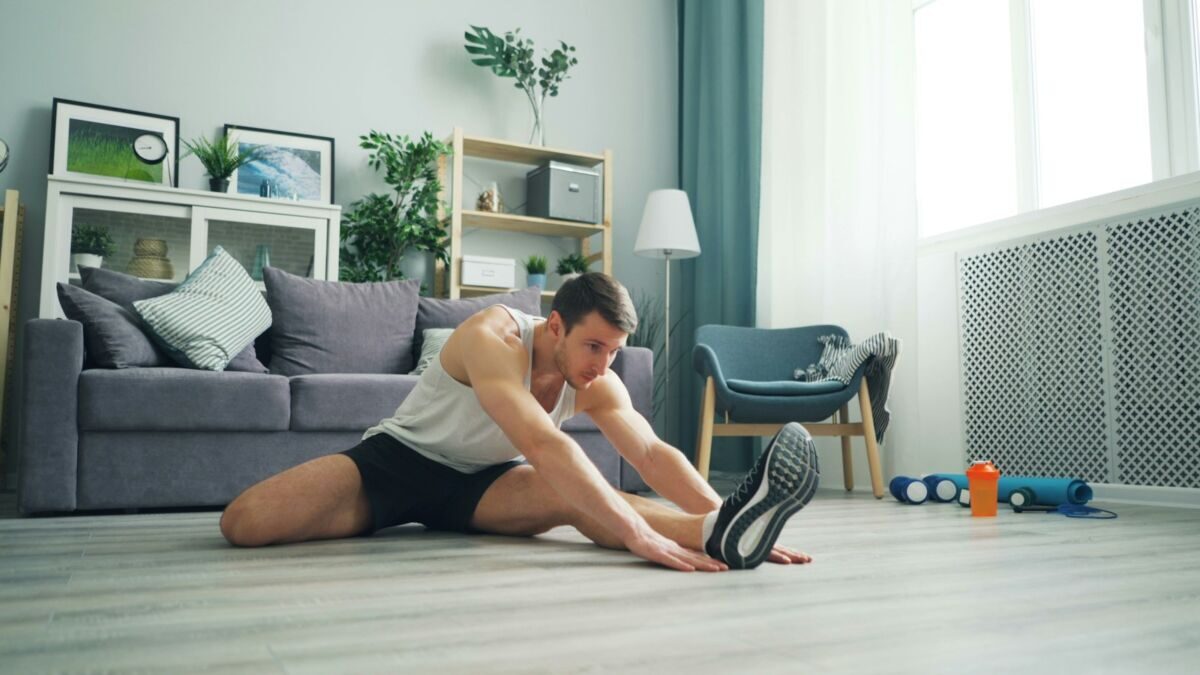
Executing a proper lunge sequence requires attention to posture and alignment. This specific method focuses on targeting the deep tissues of the groin. Perform this routine on a soft surface to protect the joints.
- Start by kneeling on your right knee while keeping your left foot planted firmly on the floor in front of you.
- Engage the glutes on the right side to prevent the lower back from arching during the motion.
- Shift your weight forward until you feel a gentle pull in the upper right thigh.
- Hold the position for sixty seconds while focusing on slow and steady inhalations.
- Switch sides and repeat the same duration for the left hip to ensure balanced tension release.
Comparing Daily Movement Impacts On Reproductive Wellness
| Activity Category | Circulation Impact | Tissue Tension Level |
|---|---|---|
| Prolonged Sitting | Reduced flow rates | High chronic strain |
| Targeted Stretching | Improved fluid access | Low muscle resistance |
| Dynamic Walking | Moderate flow increase | Balanced structural load |
The Role Of Pelvic Floor Resilience
The pelvic floor acts as a foundation for many internal organs. Tension here acts as a physical barrier to optimal function. Muscles that stay contracted cannot receive the proper signals or blood supply they need to thrive.
Many individuals focus on the gym but neglect the deep internal stability muscles. When these muscles hold too much tension, they restrict the flow that keeps tissues healthy. Building a routine around release is just as vital as building strength.
Information from the National Library of Medicine regarding pelvic anatomy highlights how complex and layered these muscle groups are. Treating these muscles with care prevents the buildup of chronic restriction. This approach fosters an environment where the body naturally sustains its health.
Addressing The Sedentary Lifestyle Barrier
Modern work life forces the body into unnatural positions for extended periods. This constant chair sitting keeps the hip flexors in a shortened state. Over time, the body adopts this position even when standing or lying down.
This adaptation creates a cycle of reduced physical awareness and poor postural habits. Breaking this cycle requires intentional intervention throughout the day. Brief movement breaks can significantly alter the way the body holds tension.
Wellness enthusiasts often integrate standing desks or micro breaks to counteract this phenomenon. Movement, even in small doses, helps reset the tension held in the front of the hips. Consistent care for these muscles supports long term bodily harmony.
Frequently Asked Questions
How long does it take to notice changes from hip flexibility routines?
Physical shifts depend on how frequently you integrate these movements into your schedule. Most individuals report feeling a decrease in muscle tension within two weeks of consistent daily practice. The body requires time to remodel connective tissue that has been shortened by years of habitual sitting.
Long term success comes from building a sustainable habit rather than intense, sporadic sessions. By prioritizing a gentle approach, you allow the muscles to release resistance without triggering a protective rebound effect. Consistency remains the most important factor in seeing lasting improvements in your physical mobility.
Can overstretching these muscles cause negative effects?
Pushing past the point of mild discomfort can lead to strain or irritation in the hip joints and lower spine. It is vital to focus on sensation rather than distance or intensity. Muscles respond better to slow and sustained release than to aggressive pulling.
The goal is to invite the tissue to relax, not to force it into a new position. If you feel sharp pain or a pulling sensation that does not subside, you are likely pushing too hard. Always honor your body’s current limits to ensure your routine remains safe and effective.
Does age influence the success of these movements?
Flexibility changes naturally as we age, but the capacity for adaptation remains high throughout life. Individuals of all ages benefit from restoring range of motion to the pelvic region. Tissue quality might shift over time, but the physiological response to gentle stretching remains consistent.
Focusing on hydration and consistent activity helps maintain tissue suppleness regardless of your age. Older individuals should move more slowly and pay closer attention to joint stability during their routines. Age is not a barrier to improving the way your body functions and moves.
Are there specific times of day that are better for these exercises?
Morning routines help wake up the body after a night of inactivity. This helps prepare the structures for the demands of the day ahead. Many people find that starting their morning with a short mobility session sets a positive tone for their overall posture.
Evening sessions are equally valuable for unwinding the tension accumulated during work hours. You can choose the time that fits your schedule best, provided you maintain regularity. The most effective time is the one that you can stick to without fail every single day.
Should these movements be combined with other physical activities?
Integrating these movements with activities like walking or light swimming creates a balanced approach to wellness. Movement promotes overall circulation, while specific stretches address localized tension. Together, these practices support a well rounded strategy for maintaining physical performance.
Avoid stacking too many intense activities if you are feeling depleted or stressed. Listen to your body and adjust your intensity based on how you feel each day. A thoughtful blend of movement and release provides the most support for your system.
The Bottom Line
Prioritizing the health of your hip flexors serves as a foundational step toward supporting better systemic circulation and reproductive wellness. By removing the physical barriers caused by chronic tightness, you allow the body to function with more ease and less structural resistance.
Incorporate daily movement sessions that specifically target the deep tissues of the groin to maintain long term mobility. Start by adding five minutes of dedicated stretching to your morning routine and notice how your body feels after one week of consistent practice.
Never stop or change any medication without consulting the provider who recommended it. Individuals with existing hip injuries or chronic back pain should seek guidance before beginning this routine. Consult a licensed healthcare provider before starting any new wellness routine.
Get Your FREE Natural Health Guide!
Subscribe now and receive our exclusive ebook packed with natural health tips, practical wellness advice, and easy lifestyle changes, delivered straight to your inbox.