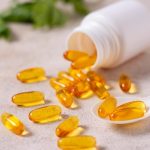

Understanding How Inflammatory Bowel Symptoms And Fish Oil Benefits Impact Daily Comfort
Living with persistent digestive distress often creates a cycle of uncertainty where every meal feels like a potential trigger. Many individuals reach out to our community seeking clarity on whether simple dietary adjustments might offer a path toward steadier internal rhythms. I spend my days analyzing nutritional data and wellness trends to help our readers navigate these complex concerns with confidence.
The research surrounding marine lipid intake often centers on the presence of specific fatty acids that appear to modulate systemic responses. These long-chain compounds represent a significant area of focus for anyone managing gut-related challenges. I find that examining the interaction between nutrient density and physical wellbeing provides a foundation for more informed personal choices.
The evidence suggests that the concentrated omega-3 fatty acids found in high-quality marine oil may support the body in managing inflammatory bowel symptoms and fish oil benefits by potentially calming internal irritation. While these supplements are not a primary intervention, they function as a supportive tool that many individuals integrate to foster a balanced internal environment. Never stop or change any medication without consulting the provider who recommended it.
Key Takeaways
- Omega-3 concentration: Effective supplements typically provide between 1,000 and 2,000 milligrams of combined EPA and DHA per daily serving.
- Response latency: Clinical evidence often indicates that consistent intake over a minimum of twelve weeks is required to notice measurable shifts in systemic markers.
- Absorption kinetics: Consuming these fats alongside a meal containing other dietary lipids can increase the efficiency of uptake by the digestive system.
The Science Behind Marine-Based Omega-3 Fats
The human body relies on specific fatty acids to maintain structural integrity and cellular signaling. Research from the National Institutes of Health provides a detailed look at how these molecules interact with human physiology. These components are essential because the body cannot produce them in sufficient quantities on its own.
When gut tissues experience ongoing distress, the balance of signaling molecules often shifts toward a state of heightened reactivity. Marine lipids provide the raw materials that the body uses to produce compounds that naturally signal the end of a defensive response. This process is subtle but foundational for long-term health.
Consistency serves as the most important factor when choosing to introduce these fats. Sporadic intake rarely yields the buildup required to influence cellular membranes effectively. I encourage readers to view this as a commitment to long-term nourishment rather than a quick fix for digestive discomfort.
Data Summary Of Nutrient Comparison
| Source Type | Primary Compound | Absorption Rate |
| Marine Oil | EPA and DHA | High bioavailability |
| Flaxseed Oil | ALA only | Requires conversion |
| Whole Fish | Broad spectrum | Moderate assimilation |
Selecting High-Quality Marine Lipid Supplements
Not every bottle on the shelf provides the same level of support. I advise looking for specific indicators of quality that ensure you receive the active ingredients promised on the label. A transparent supply chain remains the most reliable sign of a trustworthy manufacturer.
- Third-party testing: Look for labels that certify the absence of heavy metals like mercury or lead.
- Concentrated forms: Check the back panel for the exact milligrams of EPA and DHA per serving rather than relying on the total oil weight.
- Stability markers: Store these supplements in a cool dark space to prevent the breakdown of the delicate fatty acid chains.
Evidence Supporting Gut-Related Wellness
The connection between dietary fats and gut health has been studied extensively by experts at the University of California Davis. Their work often highlights how specific nutrients influence the diversity of the microbiome. A robust microbiome acts as a primary defense for the intestinal lining.
When the internal lining remains nourished, it is better equipped to handle external stressors and dietary variations. Marine fats appear to assist in maintaining the integrity of these cellular junctions. This support helps keep the gut environment stable throughout the day.
I find it helpful to track progress using a simple daily log. Noting your intake alongside any shifts in your daily physical comfort helps reveal the true impact of these additions. Data-driven observation empowers individuals to make the best decisions for their unique needs.
Practical Demonstration Of Daily Intake
Calculating your personal baseline helps remove the guesswork from your wellness routine. I use a simple method to ensure that intake remains within a safe and effective range.
- Determine baseline weight: Start with your current weight in pounds.
- Calculate total milligrams: Aim for approximately 15 milligrams of combined EPA and DHA per pound of body weight.
- Divide the dose: Split this total amount across two meals to maximize the efficiency of digestion.
For an individual weighing 150 pounds, this formula results in a daily goal of 2,250 milligrams. Rounding this to 2,000 milligrams provides a practical target using most standard capsule sizes. This strategy prevents under-consumption while keeping the body within a comfortable range.
Clinical Perspectives On Digestive Balance
Research published by the Harvard University library system discusses how systemic inflammation affects various organs, including the intestinal tract. While most focus stays on the heart or brain, the digestive system also benefits from this widespread signaling. Maintaining a balanced internal environment requires a holistic view of how nutrients impact the entire body.
Many individuals find that their digestive comfort correlates with the overall quality of their fat intake. Swapping highly processed vegetable oils for omega-3 rich sources creates a shift in how the body reacts to food. This fundamental change often yields results that are more sustainable than temporary interventions.
Focusing on the ratio of intake is just as important as the total amount. A diet high in inflammatory markers like omega-6 can counteract the benefits of marine lipids. Balancing your intake by prioritizing whole foods alongside quality supplementation remains the gold standard for long-term health.
Frequently Asked Questions
Can these oils cause side effects in the digestive system?
Some individuals experience minor burping or a fishy aftertaste when first introducing these supplements into their daily routine. I recommend taking your capsules with a meal that contains healthy fats, such as avocado or nuts, to help the body process the lipids more effectively.
Freezing your capsules before consumption can also minimize these sensations for some users. Start with a smaller dose and gradually increase the amount over a two-week period to allow your system to adjust to the change.
How long does it take to see a difference?
Changes in systemic cellular health rarely occur overnight because these fatty acids must first integrate into your cell membranes. Most people report noticing a shift in their baseline comfort after roughly twelve weeks of consistent daily usage.
Patience remains essential during this period of adjustment. Continuing your routine during the first month is the most critical step to ensure that the nutrients have time to influence your internal systems.
Are plant-based sources equally effective?
While plant-derived oils provide essential fatty acids, the human body is quite inefficient at converting them into the specific long-chain compounds found in marine sources. The conversion rate for ALA into EPA and DHA is often quite low for most adults.
If you prefer a plant-based path, you might look into algae-derived supplements instead of flax or chia. These provide the exact same active molecules as fish oil without requiring the body to perform the conversion process.
Is it safe to consume this with other supplements?
Combining these fats with other nutrients like vitamin D or probiotics can support overall gut health. There are few known conflicts, but it is always wise to keep a log of everything you consume to observe how your body responds to different combinations.
Focusing on one new addition at a time helps you identify which specific element provides the most value for your comfort. Always remain observant of how your own body reacts to these combinations over several weeks.
Do I need to take these with a meal?
Taking these fats with food significantly improves the rate of assimilation by the digestive tract. Fats require the presence of other food components to trigger the release of enzymes that help break them down for use.
Consuming your dose with a balanced meal containing protein and fiber ensures that you gain the most value from your supplement. This also helps mitigate any potential for light digestive sluggishness that might occur on an empty stomach.
The Bottom Line
Marine lipids offer a potential avenue for those seeking to support their gut health through consistent, long-term nourishment. By prioritizing quality sources and tracking your individual results, you can determine if these fatty acids help ease inflammatory bowel symptoms and fish oil benefits for your specific needs.
Choose a high-quality supplement and commit to a three-month trial to allow these nutrients to integrate into your cellular membranes. Consult a licensed healthcare provider before starting any new wellness routine.
This information is for educational purposes only and is not intended to provide professional advice. Those who have underlying health conditions or take regular medications should prioritize a consultation with a professional before changing their habits. Consult a licensed healthcare provider before starting any new wellness routine.
Get Your FREE Natural Health Guide!
Subscribe now and receive our exclusive ebook packed with natural health tips, practical wellness advice, and easy lifestyle changes, delivered straight to your inbox.