
Why This Simple Moringa Dal Recipe Belongs In Your Kitchen
I find myself reaching for deep greens to sustain my energy levels during long afternoons of writing. My pantry staples often center on legumes because they offer steady fuel without causing blood sugar spikes. This moringa dal recipe captures the essence of wholesome plant based nourishment while remaining accessible for any home cook.
Combining the earthy profile of split peas or lentils with the concentrated nutrient density of dried leaf powder creates a balanced bowl. I focus on ingredients that support vitality and resilience across my weekly meal plans. Integrating these traditional flavors helps me stay grounded while managing the demands of an active lifestyle.
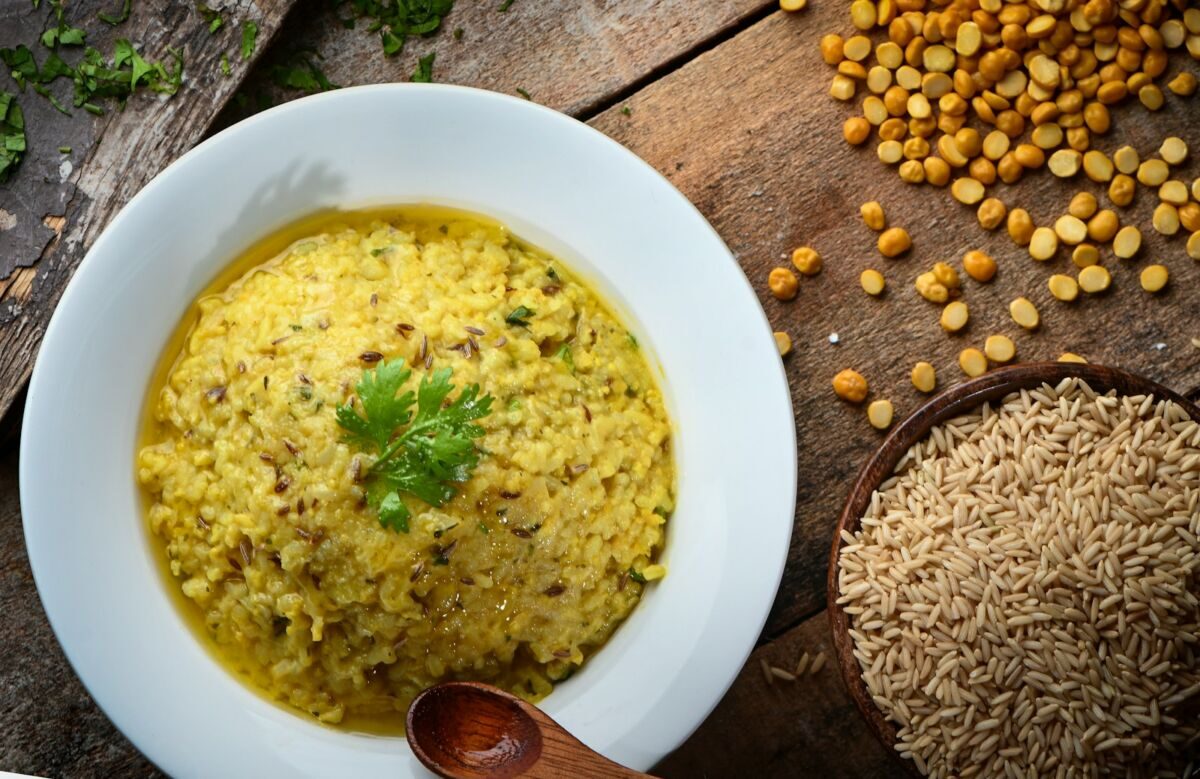
A standard moringa dal recipe consists of simmering yellow lentils with spices like turmeric and cumin before stirring in a teaspoon of dried leaf powder at the very end. This preparation method preserves the heat sensitive micronutrients found in the leaves while infusing the legumes with an earthy flavor profile. It provides a complete protein source paired with various plant compounds that assist in daily physiological maintenance.
Key Takeaways
- Moringa oleifera leaves contain approximately 9 times the protein content of standard yogurt per gram of dry weight.
- The plant provides a significant source of iron with values ranging from 15 to 25 milligrams per 100 grams of dried powder.
- Consuming diverse plant proteins supports stable glucose management as noted by research from the National Institutes of Health regarding dietary patterns.
Nutritional Composition Of Legumes And Greens
Lentils serve as a foundational component for many diets seeking high fiber intake. They contain complex carbohydrates that break down slowly during digestion. This process helps maintain a steady mood and energy flow throughout the day.
The addition of nutrient rich tree leaves adds a layer of depth to the meal. These leaves provide antioxidants that help the body manage daily environmental stressors. I prioritize sourcing high quality powders to ensure the maximum concentration of minerals.
| Nutrient Source | Primary Benefit | Serving Recommendation |
| Yellow Lentils | Steady Energy | One Cup Cooked |
| Moringa Leaves | Mineral Support | One Teaspoon Powder |
| Fresh Turmeric | Flavor Complexity | Half Inch Root |
The Science Of Bioavailable Plant Nutrients
Plants offer unique profiles that work best when combined correctly. Research published by the USDA demonstrates that pairing legumes with vitamin C rich vegetables improves the way our systems process iron. This simple culinary pairing ensures that my body receives the full benefit of the meal.
I often add a squeeze of fresh lemon juice to the finished pot just before serving. This acidic addition brightens the heavy earthiness of the pulses. It also acts as an essential cofactor for absorbing the minerals present in the greens.
Step By Step Preparation Of Nutritious Pulses
Creating this meal requires very little effort when using a standard saucepan. Follow these steps to prepare a batch that lasts for several lunches.
- Rinse the dry yellow lentils under cold water until the liquid runs clear to remove surface dust.
- Simmer the legumes in filtered water with a pinch of sea salt and freshly grated turmeric root for twenty minutes.
- Whisk in the green leaf powder once the heat is turned off to maintain the integrity of the vitamins.
Essential Minerals For Daily Resilience
Mineral status affects how we handle pressure during busy work weeks. A lack of certain elements often leaves me feeling fatigued and unfocused. I view food as a tool to maintain my baseline health rather than a temporary fix.
Lentils contribute magnesium which supports muscle relaxation after long hours at the desk. The greens add calcium and potassium to the mix. These minerals function together to keep the body performing at its best.
Addressing Common Dietary Hurdles
Many individuals struggle with digestive comfort when increasing their fiber intake. I mitigate this by soaking my legumes for at least one hour before cooking. This simple step softens the outer hulls and makes them easier for the gut to manage.
Starting with small portions is a wise strategy for those new to these foods. I recommend monitoring how your body reacts before increasing the quantity. Consistency matters more than volume when building a sustainable habit.
Cofactor Interactions And Proper Absorption
Understanding how nutrients interact prevents gaps in your wellness routine. The Cornell University research department notes that lipid soluble compounds found in many greens require a small amount of healthy fat for optimal delivery. I always finish the dish with a drizzle of cold pressed olive oil.
Fatty acids help transport certain vitamins into the blood stream. This small addition makes the entire meal more effective for the system. It also contributes a rich mouthfeel that makes the dish satisfying.
Frequently Asked Questions
Why should I include leaf powders in my daily meals?
Leaf powders offer a concentrated way to increase your intake of vitamins and minerals without preparing large volumes of fresh produce. They act as a foundation for supporting systemic endurance during periods of high mental demand.
These powders integrate easily into liquid based meals like soups or stews. By using them in this way you ensure a steady supply of micronutrients that are often lacking in standard modern diets.
Are there specific times of day that work best for these meals?
Lunch is often the most effective time to consume complex plant proteins because your digestive system is typically at its most active during the middle of the day. This timing provides sustained fuel for the remainder of your afternoon tasks.
Eating these nutrient dense meals early enough prevents discomfort during the evening hours. It allows the body time to process the fiber content before sleep patterns begin.
How does this combination support long term energy?
The synergy between legume fiber and antioxidant rich green powder creates a slow release of energy into the blood stream. This prevents the rapid peaks and valleys that often follow meals high in refined carbohydrates.
Maintaining stable glucose levels protects the system from the strain of frequent insulin response cycles. Over time this builds a foundation of consistent physical and mental stamina.
Can I store this meal for later consumption?
Dal holds its flavor profile well in the refrigerator for up to three days when kept in an airtight container. The spices tend to meld together as the mixture sits making the flavor even better on the second day.
You may need to add a splash of warm water when reheating as the lentils will continue to absorb liquid while cold. Stir well to ensure the green powder is evenly distributed throughout the batch.
How do I know if I am consuming enough plant protein?
Tracking your intake for a short period can provide a helpful estimate of your average daily protein consumption. Most individuals function well when they include a variety of plant based sources throughout the week rather than relying on a single ingredient.
Focusing on the diversity of your plant intake helps ensure you receive a full spectrum of amino acids. Legumes paired with grains or seeds provide an excellent framework for meeting your daily needs.
The Bottom Line
Implementing a moringa dal recipe provides a reliable way to add nutrient density to your weekly menu. By prioritizing quality ingredients and simple cooking methods you support your long term vitality.
Start by preparing a single batch this weekend to observe how your body responds to the increased fiber and mineral content. Never stop or change any medication without consulting the provider who recommended it.
This advice is for educational purposes only and is not intended for those with specific renal conditions or those on blood thinning medication. Consult a licensed healthcare provider before starting any new wellness routine.
Get Your FREE Natural Health Guide!
Subscribe now and receive our exclusive ebook packed with natural health tips, practical wellness advice, and easy lifestyle changes, delivered straight to your inbox.