
Understanding The Traditional Ways To Use Herbal Poultice For Tendons
I often witness friends and colleagues turning to botanical applications when they feel the familiar dull ache of strained connective tissue after a long weekend of activity. Many of us appreciate the tactile nature of applying raw plant matter directly to the skin to manage physical discomfort. This practice relies on the local absorption of botanical compounds to support comfort during recovery periods.
A herbal poultice for tendons consists of a moist, warm mass of crushed herbs or botanical powders applied directly to an area of concern and held in place with a cloth. Historically, communities used this method to provide localized support through moisture and plant-derived compounds. The goal remains consistent across generations: creating a stable, soothing interface between the botanical material and the body.
This technique involves placing a prepared blend of herbs into a clean, porous fabric and securing it against the skin for a set duration. The warmth and moisture help maintain contact, allowing the constituents to reside against the site of application. It serves as a physical, non-invasive way to support comfort in the soft tissues.
Key Takeaways
- Clinical data suggests botanical compounds can reach local concentrations within soft tissue layers to support normal inflammatory responses.
- Consistent application of botanical topical aids often lasts 20 to 30 minutes to facilitate optimal contact.
- Research from the National Institutes of Health indicates that localized topical support helps manage discomfort without systemic effects.
Structuring Botanical Blends For Soft-Tissue Comfort
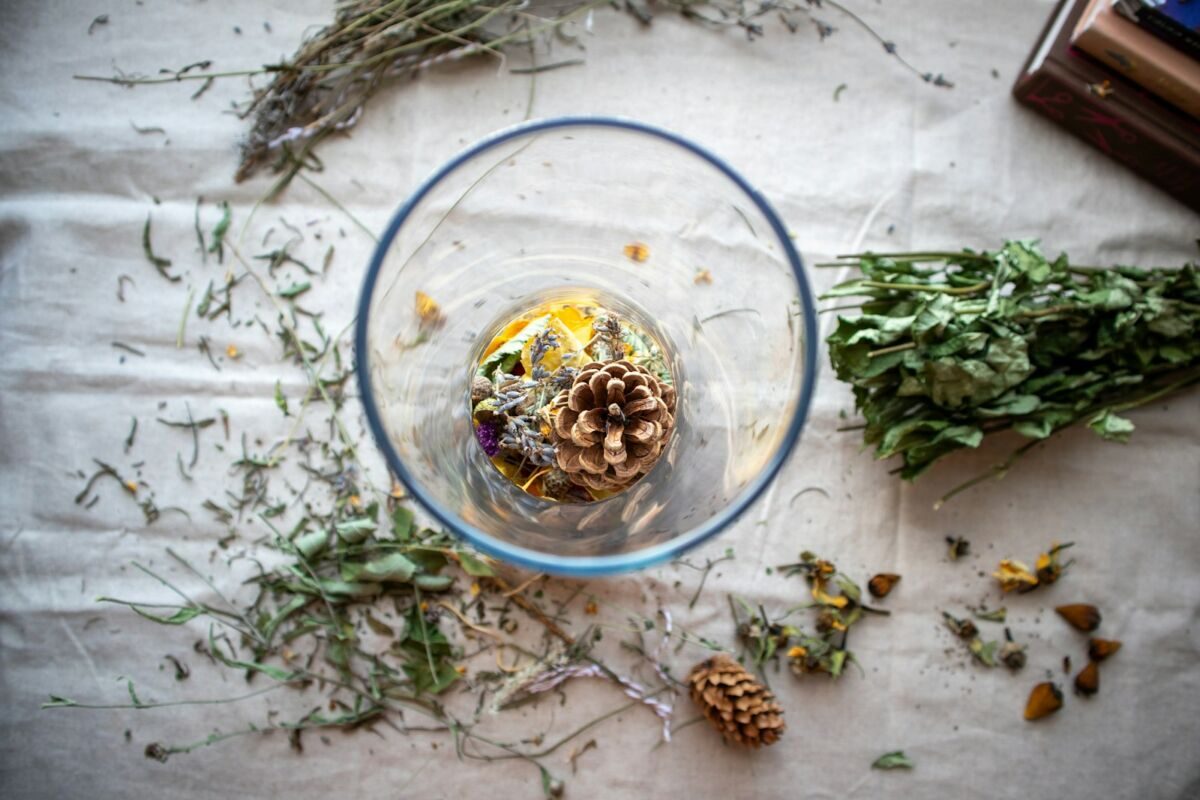
Creating an effective botanical compress requires selecting plants known for their soothing qualities. People often favor plants rich in mucilage or tannins to provide a cooling or grounding sensation. The preparation process involves grinding the dry material into a coarse consistency before adding enough warm liquid to achieve a spreadable, paste-like texture.
You should consider the following components when building your blend:
- Comfrey root, which provides a mucilaginous texture that holds moisture against the skin.
- Ginger powder, often added to provide a gentle warming sensation to the local area.
- Calendula flowers, which many enthusiasts include for their historical reputation in skin-calming applications.
Once you mix these ingredients, you must wrap the contents in a layer of cotton or muslin fabric. This barrier prevents the plant particles from sticking directly to your skin while allowing the active constituents to migrate through the cloth. Always test a small area of skin first to check for any sensitivity before committing to a full application.
Traditional Ways To Use Herbal Poultice For Tendons
- Preparation of the plant material begins with processing the chosen herbs into a fine, consistent powder or a roughly chopped mass to release the natural liquids.
- Application of moisture follows by incorporating warm water or a light oil until the mixture reaches a thick, mud-like consistency.
- Securing the compress involves spreading the mixture onto a piece of clean cloth, folding it over, and placing it firmly against the area requiring attention.
The duration of the application is just as important as the materials used. Most traditionalists suggest leaving the compress in place until the warmth fades or for approximately thirty minutes. This duration allows the skin to remain in contact with the botanical compounds long enough to potentially offer a sense of relief.
Data Comparison Of Topical Support Methods
| Method Type | Primary Benefit | Typical Duration |
| Botanical Compress | Localized cooling | 30 minutes |
| Oil Infusion | Skin absorption | 15 minutes |
| Dry Wrap | Physical support | Variable time |
Scientific Perspectives On Topical Absorption
The skin acts as a selective barrier, and understanding its permeability is essential for those using botanical applications. Studies published by academic research databases explain how lipid-soluble compounds move through the top layers of the epidermis. By using a warm, moist medium, you increase the hydration of the stratum corneum, which may assist in the transition of botanical compounds.
While the research is evolving, many experts suggest that the effectiveness of these methods relies on consistent, repeated application rather than one-time use. Maintaining a steady routine allows the body to benefit from the plant constituents over time. Always ensure your skin remains clean and dry between applications to prevent irritation.
Practical Demonstration For Home Preparation
To prepare a functional compress, start with exactly one cup of dry botanical material. Slowly add three tablespoons of warm water, stirring until the mixture holds together without dripping. If you use too much water, the mixture will become thin and messy, which reduces its effectiveness on the targeted area.
Once you reach the desired consistency, place the paste in the center of a muslin cloth and fold the edges inward to form a square. Press this bundle gently against your skin. If you find the material cools too quickly, you can place a hot water bottle over the cloth to maintain the temperature for longer.
Dietary And Lifestyle Considerations
Supporting your connective tissues involves more than just external applications. Proper hydration ensures that the fascia remains pliable and healthy. Educational resources on connective tissue health highlight the role of vitamin C in the production of collagen, the main protein in your tendons. Ensuring a balanced intake of nutrients provides the internal support necessary for long-term health.
Avoid activities that aggravate the area while you are using botanical support. Focus on gentle movement and stretching to keep the joint mobile without causing undue stress. A balanced approach combining rest, gentle movement, and consistent care often yields the most favorable outcomes for your overall well-being.
Frequently Asked Questions
Can I reuse the herbs after the first application?
The botanical material generally loses its structural integrity and volatile compounds after a single use. Reusing the same plant matter can introduce unwanted bacteria or mold to your skin if not handled with extreme care. It remains a safer practice to prepare a fresh batch for every session to ensure maximum freshness and hygiene.
How often should I apply this to my skin?
You can typically apply these botanical mixtures once or twice daily depending on your comfort levels. Observe how your skin reacts to the plant material over the first few days of your routine. If you notice any redness or irritation, discontinue use immediately and allow the skin to return to its natural state before considering another application.
Are there any herbs I should avoid?
Certain individuals may have personal sensitivities to specific plant families, such as those in the daisy group or Asteraceae. Always verify that you do not have known allergies to the plants you select for your blend. Performing a patch test on a small, neutral area of your inner arm is a prudent step before moving the material to a larger area of the body.
Should I apply the mixture directly to broken skin?
You must never apply any botanical paste or compress to open wounds, cuts, or infected skin. Direct contact with non-intact skin can lead to contamination or irritation. Wait until the skin has fully healed before using any botanical topicals to support your comfort goals.
How do I know if the temperature is safe?
The mixture should feel comfortably warm to the touch, similar to a warm bath. Test the heat on your inner wrist, which is more sensitive than other parts of the body. If the material feels hot enough to cause discomfort on your wrist, allow it to cool further before placing it on your tendons.
The Bottom Line
Using a herbal poultice for tendons offers a simple and tactile way to support your physical comfort at home. By focusing on fresh ingredients and consistent application, you can incorporate these traditions into your own wellness routine. Remember that these methods provide educational support rather than clinical intervention.
Begin by selecting one simple herb to test on your skin today. Follow the steps provided to create your first batch and observe how your body responds over the coming week. Consult a licensed healthcare provider before starting any new wellness routine.
Never stop or change any medication without consulting the provider who recommended it.
Get Your FREE Natural Health Guide!
Subscribe now and receive our exclusive ebook packed with natural health tips, practical wellness advice, and easy lifestyle changes, delivered straight to your inbox.