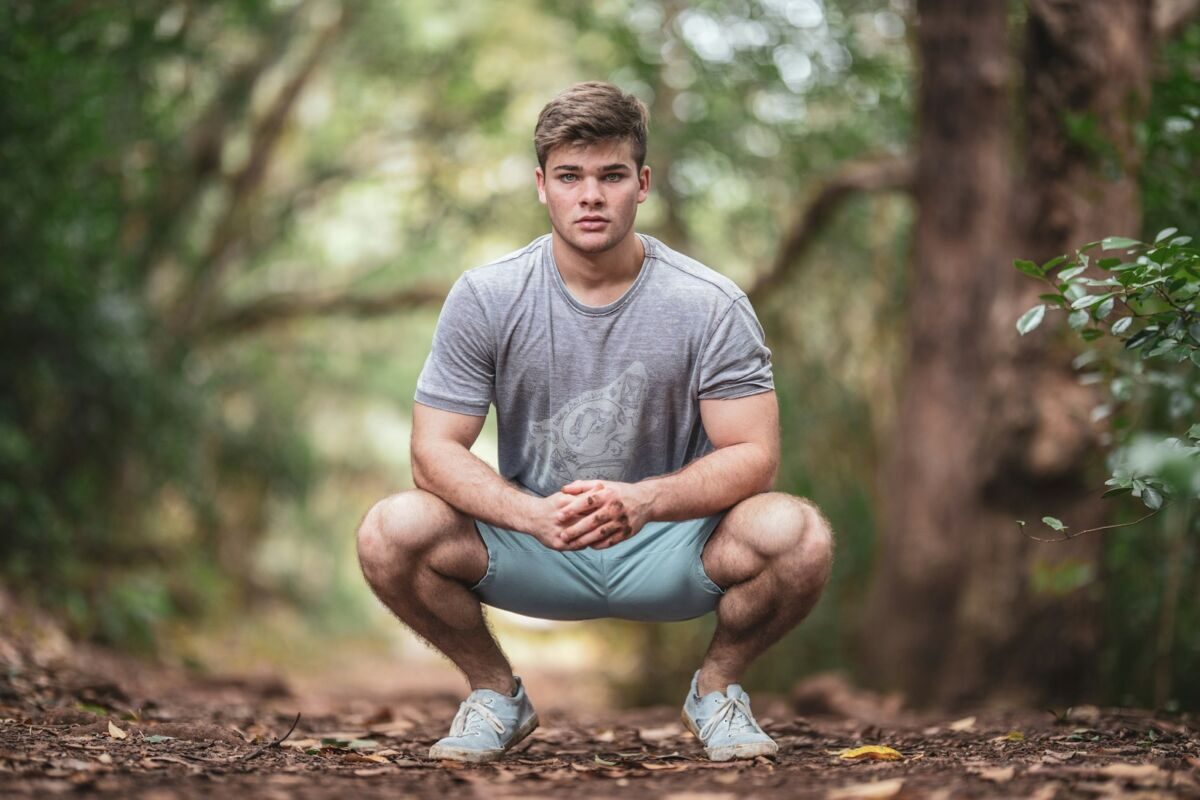

Why Deep Squatting For Pelvic Sperm Flow Matters
I feel the shared human struggle of trying to balance modern sedentary habits with the innate needs of the body. We often spend our days sitting at desks, yet our physiological systems require regular movement to maintain healthy circulation. My focus remains on how intentional movement supports long term vitality for everyone.
Researchers observe that physical positioning influences blood circulation throughout the lower body. When individuals prioritize alignment and mobility, they support the natural environment necessary for reproductive health. Understanding the relationship between biomechanics and internal function helps people make informed choices about their daily movement habits.
Deep squatting for pelvic sperm flow matters because it reduces static pressure in the groin area and promotes healthy blood circulation through the pelvic floor. Consistent practice helps release tightness in the hips while allowing for optimal oxygenated blood transport to reproductive organs.
Key Takeaways
- Circulatory Health: Research indicates that deep hip flexion can lower scrotal temperature by up to 2 degrees Celsius in some individuals.
- Muscle Activation: Proper squat mechanics engage the pelvic floor muscles, which contributes to increased fluid dynamics within the prostate and surrounding tissues.
- Bone Density: Regular weight bearing exercises like deep squats correlate with higher levels of circulating hormones in healthy adult males.
Understanding Biological Fluid Dynamics
The body functions like a complex hydraulic system. When we sit for extended periods, gravity and posture create points of resistance that limit optimal circulation. Reproductive health research highlights that blood flow remains the primary delivery mechanism for vital nutrients.
Movement shifts the weight of internal organs and creates a pumping action. This natural pressure change encourages fresh blood to enter tissues that often stagnate during long hours at a desk. Focusing on the mobility of the lower half helps maintain this essential flow.
The goal is to move without causing strain or discomfort. Slow and steady transitions allow the muscles to adapt to new ranges of motion. This approach keeps the pelvic region responsive and functional throughout the aging process.
Mechanics Of Optimal Pelvic Positioning
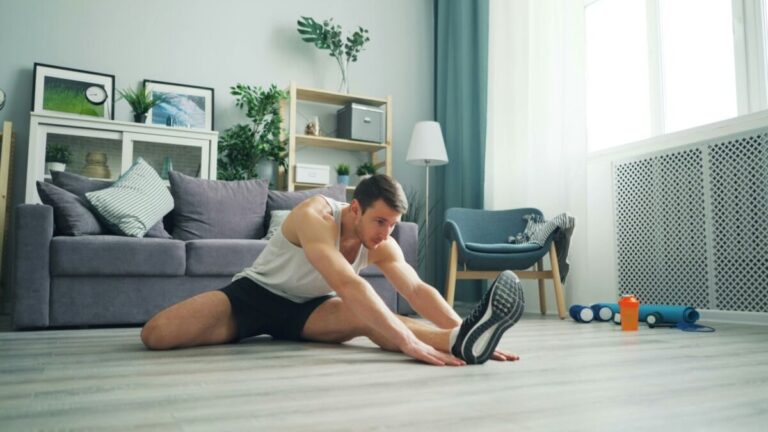
To perform this movement effectively, keep your heels flat on the ground. A wide stance allows the hips to open without excessive strain on the knees. Distributing weight evenly prevents the body from favoring one side during the descent.
The spine should remain relatively neutral as the hips lower. Many find that holding onto a sturdy object provides the stability needed to sink deeper into the pose. The National Institute on Aging offers guidelines on maintaining functional strength through regular activity.
Breathe deeply during each repetition to assist with core stability. This movement acts as a reset for the hips and lower back. Incorporating it into a morning routine creates a positive baseline for the rest of the day.
| Metric | Sedentary Posture | Squatting Position |
|---|---|---|
| Blood Velocity | Decreased flow | Increased flow |
| Pelvic Pressure | High tension | Balanced tension |
| Joint Range | Limited mobility | Full extension |
Practical Application And Weekly Goals
Beginners should focus on consistency rather than duration. Aiming for three short sessions each week allows the body to build capacity. If you feel pain, stop immediately and adjust your depth.
Tracking progress helps keep the routine sustainable. Keeping a simple log of how many minutes you spend in a low squat position provides visual proof of your commitment. Peer reviewed scientific data suggests that gradual progression minimizes the risk of injury while maximizing tissue health.
Include variations like resting against a wall to help maintain form. The support of a flat surface takes the burden off the lower back. Over time, the muscles learn to support the body weight independently.
Common Pitfalls In Daily Practice
Many individuals force the depth before their hips are ready. Tightness in the hip flexors is a common barrier for office workers. Forcing the position leads to compensation in the knees or ankles.
Skipping the warm up is another frequent error. The tissues need gentle movement to prepare for deeper flexion. Warming the legs with light walking makes the entire routine feel smoother.
Neglecting the breath pattern during the hold creates unnecessary tension. Consistent, rhythmic breathing signals the nervous system to relax the muscles. Tension reduction is the primary goal of any effective movement practice.
Frequently Asked Questions
How often should one practice this routine?
Most individuals benefit from daily, brief sessions of active movement. Focusing on three to five minutes of total squat time is sufficient to see shifts in tissue responsiveness and comfort levels over a few weeks.
It is important to listen to your body rather than following a fixed schedule. If your hips feel particularly stiff on a given morning, spend more time on gentle mobility rather than deep holding.
Can this movement assist with long term circulation?
Yes, regular squatting keeps the vessels and muscles in the pelvic region active. Constant movement prevents the stagnation that often occurs with prolonged sitting at a desk.
By keeping the hips supple, you maintain better circulation through the entire lower half of the body. This supports the environment needed for healthy reproductive function throughout the life span.
What if I experience discomfort in my knees?
Discomfort often stems from improper alignment or lack of sufficient mobility in the ankles. Try placing a folded towel under your heels to change the angle of the squat.
If knee pain persists, reduce the depth of your descent immediately. Never push through joint pain, as the objective is to improve flow and flexibility, not to cause stress or damage.
Are there specific times of day that work best?
Many people find that doing these movements first thing in the morning sets a positive tone for their circulation. It clears out the stiffness accumulated from eight hours of sleep.
Others prefer to incorporate these motions during short breaks throughout the workday. The key is to find a time when you feel relaxed and focused enough to maintain good form.
Do I need specialized equipment to begin?
No equipment is necessary for this type of movement. Using your own body weight is the safest and most effective way to build stability and range of motion.
If you have difficulty balancing, holding onto a door frame or a heavy piece of furniture provides extra support. The goal is to feel secure while you explore your natural range of movement.
The Bottom Line
Intentional physical movement remains the most effective tool for supporting internal health. Deep squatting for pelvic sperm flow serves as a practical method to counter the effects of a modern, sedentary lifestyle.
Integrate these movements slowly and observe how your body responds to the change. Focus on consistent, small improvements rather than immediate results. Consult a licensed healthcare provider before starting any new wellness routine.
Those with pre-existing injuries or chronic pelvic conditions should avoid this practice. Never stop or change any medication without consulting the provider who recommended it. Consult a licensed healthcare provider before starting any new wellness routine.
Get Your FREE Natural Health Guide!
Subscribe now and receive our exclusive ebook packed with natural health tips, practical wellness advice, and easy lifestyle changes, delivered straight to your inbox.