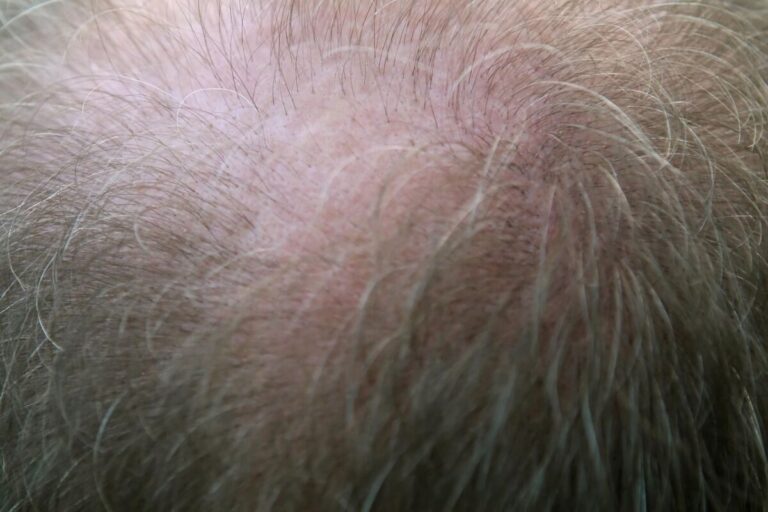
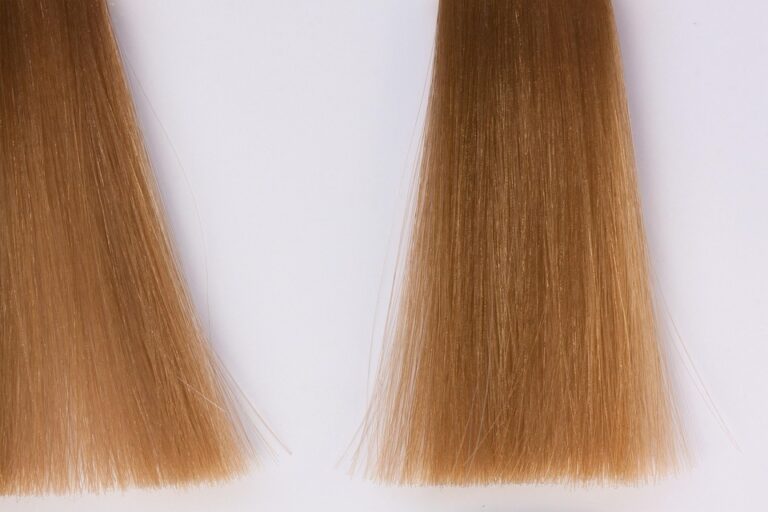
Most of us have stood before a bathroom mirror, pulling at a clump of loose strands and wondering if our recent salon visit or a deeper health shift is to blame. We often conflate the brittle snap of over-processed locks with the deeper, systemic loss that originates at the root. Understanding the difference requires looking beyond the surface of your hair to the health of your scalp and your internal biology.
Chemical trauma often presents as breakage along the hair shaft due to harsh bleaching, coloring, or heat styling, while internal thinning usually involves the shedding of healthy, full-length hairs from the follicle. When you experience excessive loss, you must differentiate between strands that snap mid-length and those that fall out entirely, as the latter indicates a process occurring within your body.
Is it chemical damage or internal hair shedding? Chemical trauma usually shows up as fraying, split ends, and fragility occurring after salon procedures, whereas internal hair loss typically involves noticeable thinning at the part or temples, often linked to nutrient status or systemic changes.
Key Takeaways
- Daily shedding of 50 to 100 hairs is considered normal human physiology.
- Nutrient deficiencies, particularly in iron or vitamin D, often contribute to hereditary hair patterns.
- Hair shafts weakened by chemical agents typically have a tensile strength reduction of up to 50 percent compared to untreated follicles.
Analyzing The Physical Indicators Of Hair Integrity
Identifying the root cause starts with a simple inspection of the strands themselves. You should examine the base of any hair you find shedding, as this reveals the most accurate story about its lifecycle.
If you notice a small, white bulb at the end of the strand, it likely detached from the follicle as part of the natural growth cycle. If the strand appears frayed or irregular at the break point, you are dealing with structural breakage rather than active shedding.
Breakage indicators are usually isolated to the middle or ends of the hair shaft. Shedding indicators involve the entire length of the hair, starting from the root.
Comparing Structural Decay To Follicle Loss
Distinguishing these two experiences helps you choose the right approach for your wellness routine. The table below summarizes how each phenomenon manifests in your daily life.
| Feature | Chemical Wear | Internal Shedding |
|---|---|---|
| Breakage Location | Mid shaft | Root level |
| Strand Appearance | Jagged ends | Smooth bulb |
| Primary Cause | External processing | Systemic status |
The Role Of Internal Wellness In Follicle Longevity
Your hair acts as a window into your internal environment. When your body experiences shifts in iron levels or metabolic efficiency, it prioritizes essential organs over hair growth, which often leads to increased thinning.
Research published by the National Institutes of Health highlights that low serum ferritin concentrations are frequently associated with non-scarring hair loss. This indicates that your internal storage of iron matters as much as your external hair care habits.
Focusing on balanced nutrition ensures your body has the raw materials needed for maintenance. Prioritize whole foods that offer a spectrum of vitamins rather than relying on isolated supplementation alone.
Demonstrating The Daily Shedding Calculation
You can track your shedding patterns by using a simple arithmetic approach over one week. Start by collecting every hair from your brush, shower drain, and pillowcase for seven consecutive days.
Add the total number of strands collected throughout the week. Divide this total by seven to reach your daily average.
If your daily average exceeds 150 strands, it may indicate a systemic issue rather than external breakage. Keep in mind that heavy shedding often occurs in seasonal cycles, which is a normal response to environmental changes.
Addressing Structural Vulnerability From Chemical Treatments
If you choose to use lighteners or relaxers, you are modifying the sulfur bonds within your hair. This process leaves the cortex exposed and prone to snapping if not managed with care.
Limit the overlap of products on already processed sections of your hair. Use protein-rich conditioners that temporarily fill the gaps in the cuticle, providing a layer of protection against daily friction.
According to studies from the University of Maryland, regular deep conditioning helps maintain the elasticity of hair fibers exposed to environmental stressors. Consistent maintenance is more effective than intermittent, intensive repair efforts.
Frequently Asked Questions
How can I tell if my hair loss is related to thyroid function?
Thyroid imbalances often present as a generalized thinning across the scalp rather than localized breakage. You might notice your hair texture changing, becoming drier or more brittle as your metabolism shifts.
If you suspect a thyroid-related issue, you should monitor for other signs like cold sensitivity or fatigue. These clues suggest your hair is reacting to a broader hormonal environment rather than external styling habits.
Are supplements effective for reversing hair thinning?
Supplements function best when they fill a documented nutrient gap in your diet. Many individuals see improvements only when they correct a specific deficiency that was hindering normal growth cycles.
Taking excessive amounts of minerals without a confirmed deficiency does not provide extra benefits. Always focus on a varied diet as the primary way to support your natural growth phase.
Why does my hair break immediately after a salon visit?
Salon visits often involve high heat or chemical agents that compromise the integrity of the protein structure in your hair. If your hair lacks sufficient moisture, these treatments cause the strands to snap under minimal tension.
You can reduce this risk by preparing your hair with hydration weeks before any chemical service. Choosing gentle techniques that preserve the structural core of the strand is essential for long-term health.
Can scalp health influence how much hair I lose?
A healthy scalp environment is the foundation for strong hair growth. Inflammation or buildup on the skin can restrict the follicle and prevent healthy strands from reaching their full potential.
Maintaining a clean scalp helps keep the pores free from debris. This simple habit supports the health of every new strand emerging from the base of the follicle.
Is it normal for hair loss to increase during high-stress periods?
Stress triggers a shift in your hair cycle, forcing more follicles into a resting phase simultaneously. This often results in a significant increase in shedding about three months after a major stress event.
The body views this as a protective response to a perceived crisis. Once your internal state returns to equilibrium, your hair cycles typically stabilize and begin to replenish naturally.
The Bottom Line
Understanding whether your hair concerns stem from external processing or internal health status is the first step toward a more intentional care routine. Chemical trauma usually creates structural damage along the shaft, while internal shedding reflects the current needs of your body.
Is it chemical damage or internal hair shedding? By evaluating your habits and observing how your strands fall, you can decide whether to switch your styling products or assess your internal wellness. Never stop or change any medication without consulting the provider who recommended it.
Consult a licensed healthcare provider before starting any new wellness routine.
Get Your FREE Natural Health Guide!
Subscribe now and receive our exclusive ebook packed with natural health tips, practical wellness advice, and easy lifestyle changes, delivered straight to your inbox.