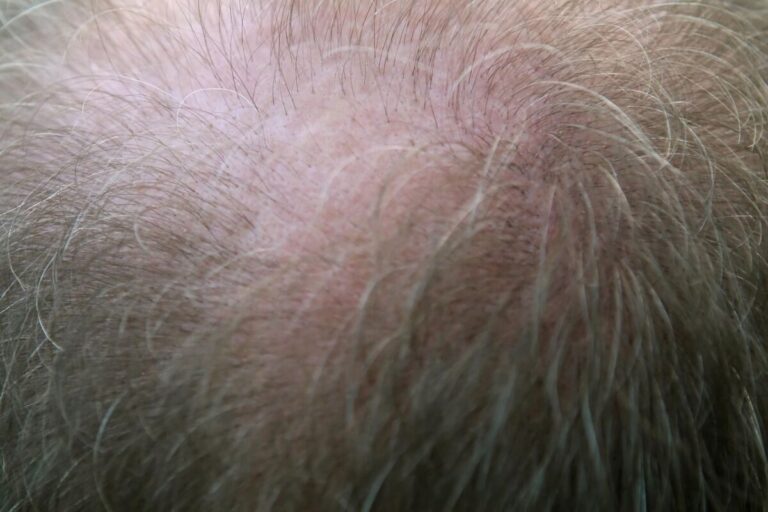
Addressing Why Expensive Hair Vitamins Donʼt Work For Hormonal Loss Challenges
Most of us have stood in the supplement aisle, staring at fancy bottles with high price tags, hoping for a simple solution to thinning hair. We read the claims about thicker locks and stronger roots, assuming that a daily pill holds the answer to our internal struggles. It feels like a logical step when we notice our hair density shifting, yet we often find ourselves frustrated by the lack of visible progress.
The marketplace is flooded with blends promising to stop shedding and stimulate regrowth through concentrated nutrients. These products often lean heavily on marketing buzz rather than the complex biological reality of endocrine shifts. Relying on an expensive bottle frequently misses the mark because it fails to address the underlying physiological triggers of follicle miniaturization.
Why expensive hair vitamins donʼt work for hormonal loss is rooted in their inability to alter systemic hormone levels or address the cellular signals that drive follicle changes. While these supplements provide basic nutrition, they cannot override the specific impact that shifting androgen levels have on hair growth cycles. They serve as a temporary nutritional support system rather than a targeted response to endocrine fluctuations.
Key Takeaways
- Nutrient Density: Most high-end hair formulas contain biotin levels that exceed daily requirements by over 2000 percent, which often leads to inaccurate blood test results for thyroid function.
- Androgen Sensitivity: Hair follicles are sensitive to dihydrotestosterone, and no common over-the-counter vitamin pill has the chemical capacity to block these local receptor sites.
- Cycle Phases: Supplements typically influence the anagen phase of growth, but they cannot stop the telogen shedding induced by significant shifts in circulating progesterone or estrogen.
Understanding The Biological Limitations Of Nutrient Blends
The human body relies on a delicate balance of hormones to manage everything from skin elasticity to follicle health. When this balance shifts due to age or life stages, the hair follicles often respond by entering a resting state earlier than normal. A standard supplement cannot signal the body to resume production if the internal environment remains shifted.
Research from the National Institutes of Health highlights that isolated vitamin supplementation rarely corrects systemic imbalances without addressing core lifestyle factors. Hair follicles are peripheral organs that prioritize survival over vanity. When the body faces a deficit in key systems, it redirects resources away from non-essential tissues like hair.
Expensive brands often pack their capsules with massive doses of vitamins that offer diminishing returns. Once the body hits its saturation point for specific nutrients, the excess is simply filtered out. You are essentially paying for high-cost output that provides little input to the scalp itself.
Comparison Of Supplement Value And Physiological Impact
| Nutrient Category | Common Expensive Formula | Basic Dietary Approach |
|---|---|---|
| B-Vitamins | Provides high-dose synthetics | Uses natural food complexes |
| Mineral Support | Contains singular metallic forms | Offers better absorption profiles |
| Hormonal Impact | Shows zero direct interaction | Influences insulin levels positively |
The Anatomy Of Follicle Growth Cycles
Every strand of hair on your head moves through a predictable cycle of growth, transition, and rest. During phases of hormonal fluctuation, the growth phase shortens significantly while the resting phase extends. This creates a visual reduction in density as fewer hairs are actively pushing through the scalp at any one time.
Standard vitamins ignore this timing constraint entirely. They aim to provide fuel for growth, but they cannot lengthen the anagen window. If the follicle is being signaled to rest by hormonal cues, extra B-vitamins will not force it to remain active.
True density recovery requires understanding the signals behind the cycle. Educational resources from the U.S. National Library of Medicine explain how genetic and hormonal factors dictate these timing shifts. Addressing the root cause involves looking at blood glucose stability and stress management rather than relying on expensive pills.
Hidden Barriers To Nutritional Absorption
Digestion plays a massive role in how we utilize the ingredients in these supplements. Many expensive hair formulas include nutrients that compete for the same absorption pathways in the gut. If you take a pill that forces too many minerals at once, the body might reject a large percentage of them.
The quality of the ingredient matters more than the price on the tag. Many companies utilize low-bioavailability forms of minerals that are difficult for the system to process. This makes the supplement ineffective even if the label shows an impressive list of contents.
Quality matters in our wellness routines. We should prioritize whole foods that contain complex cofactors. Nature packages nutrients in ways that improve delivery to the cells, which is something a synthetic capsule struggle to replicate.
Demonstrating The Cost Of Synthetic Inefficiency
Consider the math of a typical premium hair vitamin costing sixty dollars per month. If this bottle contains two hundred milligrams of a specific mineral in an inorganic form, the absorption rate may be as low as five percent. This means you receive only ten milligrams of usable material for your sixty-dollar investment.
Contrast this with a whole-food source like pumpkin seeds. One serving contains natural minerals bound to proteins, which can lead to an absorption rate of thirty percent or higher. You are receiving superior nutrition for a fraction of the cost, while also providing your body with fiber and healthy fats that support stable hormones.
The efficiency gap becomes clear when you look at the raw numbers. Spending money on a luxury brand does not guarantee better cellular outcomes. Investing in whole foods creates a sustainable, data-backed foundation for your health.
The Crucial Role Of Systemic Stress
High cortisol levels act as a primary antagonist to hair growth. When we are stressed, our body prioritizes cortisol production over the synthesis of hormones that support healthy hair. A supplement bottle cannot reverse the impact of chronic stress on the endocrine system.
Research published by Princeton University researchers illustrates how chronic pressure alters our internal state. This shift affects every aspect of our health, from sleep quality to hair density. We must address the source of this tension before expecting any physical change.
Taking a daily pill often provides a false sense of security. It allows us to ignore the lifestyle adjustments that would yield actual results. Real progress comes from intentional movement and rest, not from a manufactured shortcut found in a bottle.
Frequently Asked Questions
Why do these vitamins claim they stop hair loss?
Marketing departments often utilize broad language to describe the role of vitamins in normal biological processes. They frame essential nutrients as active agents of change, leading many to believe that filling a nutritional gap will reverse a condition driven by hormones.
These labels capitalize on the assumption that hair density loss is always a sign of a deficiency. While correcting a deficiency can assist, it does not stop the specific internal signaling that results in shedding. The claims are often based on healthy populations rather than individuals dealing with complex hormonal shifts.
Are there any ingredients that actually help?
Certain nutrients act as building blocks for the structure of the hair shaft, such as amino acids and specific trace minerals. When the body is truly lacking these components, providing them can assist with the quality and texture of the hair that does grow.
However, these ingredients provide structural support rather than hormonal regulation. They do not fix the root of the problem if the issue stems from an endocrine shift. They serve as a secondary helper, not as a primary solution for density recovery.
Can I improve my hair without expensive pills?
Prioritizing nutrient density through your daily plate is the most effective approach to supporting your body. Focusing on protein intake, healthy fats, and stable blood sugar levels provides the necessary fuel for your system to function optimally.
This approach addresses the holistic environment that governs hair growth. By supporting your internal systems, you create a terrain that is more favorable for hair health. This is far more sustainable and effective than searching for a single pill that claims to handle everything for you.
What markers should I discuss with a provider?
When you consult with a provider, you should inquire about your iron storage levels and your thyroid function. These two markers have a direct impact on how the hair follicle behaves and how the body manages energy for tissue repair.
Discussing your overall hormone panel is also beneficial to understand your current baseline. This data allows you to make informed decisions about what your body truly needs. Relying on professional guidance ensures you address your health as a whole rather than focusing on just one symptom.
How long does it take to see natural changes?
Hair growth moves at a slow pace, with cycles taking several months to complete. Any change in your wellness routine requires patience to see the final results on your scalp.
You can expect to wait at least three to six months to see how your body responds to improved habits. Consistency in your daily lifestyle is the key to observing these shifts. Focus on long-term sustainability rather than looking for immediate, superficial fixes.
The Bottom Line
The industry of hair supplements often profits from our desire for a fast and simple fix to complex endocrine issues. Why expensive hair vitamins donʼt work for hormonal loss is due to their inherent inability to influence the hormonal signals that control our follicles. These products can support basic nutrition, but they should never be viewed as a substitute for addressing the actual root cause of density changes.
Instead of investing in premium bottles, focus your time and money on a nutrient-dense diet and stress management techniques. Monitor your progress through steady habits rather than expecting a single product to shift your biology. Review your specific needs with a professional and take control of your health through data-backed, sustainable lifestyle choices.
This information is for educational purposes only. It is not intended to suggest specific health outcomes or provide medical advice. Never stop or change any medication without consulting the provider who recommended it. Consult a licensed healthcare provider before starting any new wellness routine.
Get Your FREE Natural Health Guide!
Subscribe now and receive our exclusive ebook packed with natural health tips, practical wellness advice, and easy lifestyle changes, delivered straight to your inbox.