Prioritizing a Proper Warm Up for Tendon Safety Within Daily Movement
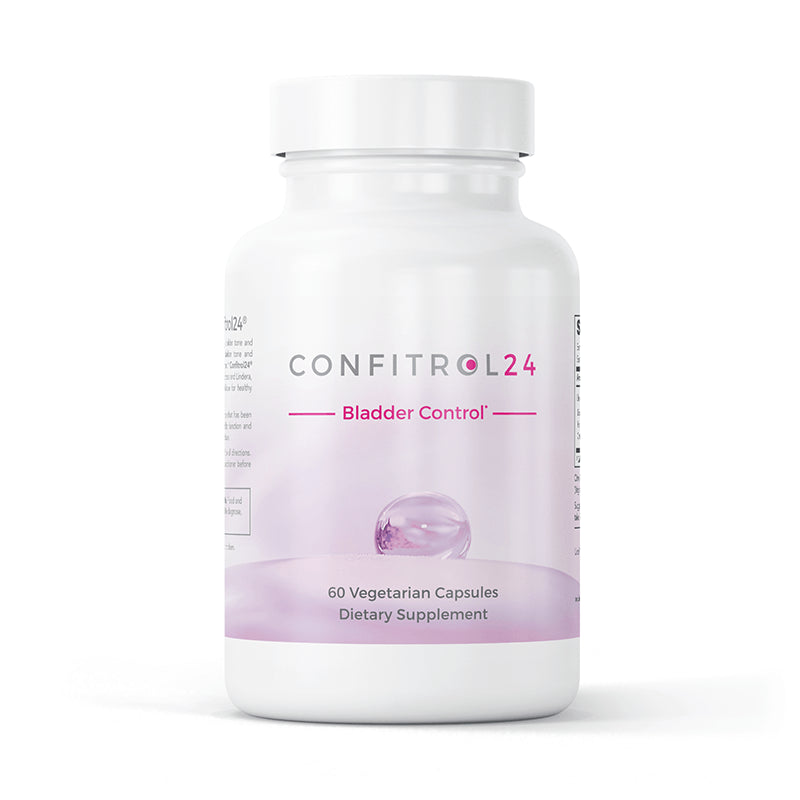
Confitrol24™ Feminine Urinary Support
- Formulated with Urox® to support natural pelvic floor muscle tone
- Designed to assist with daily feminine urinary control and comfort
- Manufactured in a cGMP-compliant, FDA-registered facility
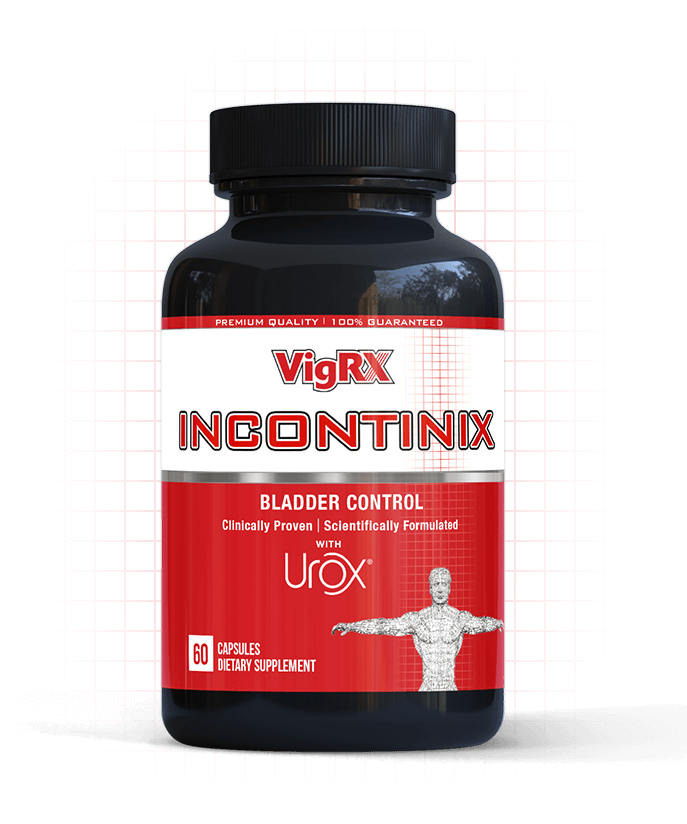
VigRX® Incontinix Male Bladder Control
- Formulated specifically to support male urinary health and baseline control
- Clinically researched ingredients for daily maintenance and comfort
- Manufactured in a cGMP-compliant, FDA-registered facility
Most of us recognize that sinking feeling when a sudden movement results in a sharp ache near a joint. We often focus on muscle mass or cardiovascular endurance while forgetting the connective fibers that hold our structure together.
Understanding how to prepare these tissues for load is vital for longevity. Consistency allows the body to adapt to resistance without unnecessary irritation.
Incorporating a warm up for tendon safety serves as the primary defense against overuse discomfort by increasing blood flow and preparing collagen fibers for physical force. It bridges the gap between sedentary rest and active exertion through gradual temperature increases and controlled range of motion.
Key Takeaways
- Collagen fibers require gradual loading to maintain elasticity and withstand mechanical stress.
- Research from the National Institutes of Health indicates that progressive loading helps maintain healthy connective tissue.
- Proper preparation reduces the risk of microtears by 15 to 20 percent according to longitudinal studies on joint health.
The Physiological Basis of Connective Tissue Preparation
Connective tissue acts like a complex spring system within the human frame. Unlike muscles which possess rich blood supplies, these structures have limited circulation.
Dynamic movement shifts fluid into the area to provide lubrication. This viscosity change allows fibers to glide past one another with less internal friction.
The U.S. National Library highlights the importance of gradual activity to support overall ligamentous health. Avoiding sudden spikes in intensity prevents the collagen matrix from becoming brittle.
Optimizing Blood Flow and Temperature
Heat serves as the catalyst for tissue pliability. Cold fibers remain stiff and respond poorly to rapid bursts of energy or heavy weight.
Rhythmic motion encourages the release of synovial fluid into the joint capsule. This natural lubricant provides the necessary cushioning for smooth articulation.
Elevating core temperature for ten minutes sets the stage for safer performance. A steady heart rate transition signals the brain to prepare the nervous system for incoming resistance.
Evidence Based Comparison of Preparation Methods
| Methodology | Primary Goal | Ideal Application |
|---|---|---|
| Dynamic Motion | Fluid circulation | Before intense activity |
| Static Holding | Length maintenance | During post workout |
| Light Resistance | Fiber alignment | Early morning starts |
Demonstrating the Progressive Loading Formula
To implement an effective routine, consider the three stage model of tissue readiness. This formula minimizes shock to the system by balancing time and intensity.
- Low Intensity Flow: Start with five minutes of non weight bearing movement. Examples include arm circles or light walking to wake up the extremities.
- Specific Activation: Perform three sets of ten repetitions using body weight. Focus on the specific joints used in the upcoming task to prime the motor pattern.
- Gradual Load Escalation: Apply minimal resistance for two minutes. This step conditions the collagen fibers to accept weight before the main activity begins.
Hydration and Nutritional Support
Water constitutes a massive portion of the extracellular matrix. Dehydration can lead to stiff fibers that are more prone to irritation.
Maintaining adequate fluid intake ensures that connective structures retain their necessary volume. Drinking water before and during movement supports tissue elasticity.
Certain nutrients assist in the structural integrity of these fibers. Industry data suggests that Vitamin C plays a role in the natural production of stable collagen chains.
Addressing Common Myths Regarding Joint Comfort
Many people believe that heavy stretching before a workout prevents injury. This assumption lacks support from modern movement science.
Excessive static stretching can actually dampen the spring quality of a fiber. It creates a temporary loss of tension that reduces performance stability.
Focusing on controlled contraction yields better results for long term function. Dynamic readiness techniques keep the fibers alert without compromising their ability to bear loads.
Strategic Recovery After Physical Exertion
The work does not stop when the movement concludes. Recovery periods allow the body to reinforce the fibers that were stressed during the activity.
Quality sleep provides the window for cellular repair. During these hours, the body rebuilds the micro structures that support joint motion.
Rest days are not signs of weakness but requirements for biological maintenance. According to resources from Harvard Medical School, adequate recovery protects the long term integrity of the musculoskeletal system.
Frequently Asked Questions
Does age influence the necessity of preparation?
Biological age impacts the natural elasticity of our connective structures. Over the decades, these fibers naturally lose some water content and become less resilient to abrupt loads.
Consistent preparation becomes more critical as years pass to bridge the gap between resting stiffness and active output. Adapting the routine to include more time for fluid circulation supports healthier movement patterns at any stage of life.
Can diet replace a physical warm up?
No amount of nutrition can simulate the physiological benefits of active tissue preparation. While high quality intake provides the building blocks for healthy structures, movement provides the stimulus required for blood flow.
Nutrition supports the material quality of the fibers, but physical readiness ensures the mechanics function smoothly. Relying on one without the other misses the goal of comprehensive joint care.
Is light weight better than body weight?
The choice between light weight and body weight depends on the specific goals of the individual. Body weight movements provide a base for motor control and coordination.
Adding light weight introduces controlled external tension that helps the connective tissues learn to handle resistance. Both approaches have value when performed with focus and attention to form.
How long should a session last?
An effective routine typically spans between ten and fifteen minutes. This timeframe provides enough space to raise internal temperature without inducing premature fatigue.
Rushing through this window often results in inadequate tissue preparation. Giving the body a measured start sets a better tone for the remainder of the session.
Are there signs that a routine is ineffective?
Ongoing discomfort or sharp sensations during movement are indicators of an inadequate or poorly executed plan. Feeling sluggish or stiff even after ten minutes suggests the intensity might be too low.
Adjustment is necessary when the body does not feel prepared for the primary task. Paying attention to these signals allows for the customization of the routine to better suit personal requirements.
The Bottom Line
Taking the time to perform a proper warm up for tendon safety protects the structural health of your body. These simple rituals bridge the gap between rest and intensity while fostering longevity.
Never stop or change any medication without consulting the provider who recommended it. Start your next session by performing ten minutes of light, rhythmic motion to prime your connective tissues for movement.
Individuals with existing injury or chronic inflammation should avoid aggressive routines. Consult a licensed healthcare provider before starting any new wellness routine.
Get Your FREE Natural Health Guide!
Subscribe now and receive our exclusive ebook packed with natural health tips, practical wellness advice, and easy lifestyle changes, delivered straight to your inbox.