Understanding Why Dehydration Makes Your Blood Sticky And Slow Down Through Fluid Dynamics
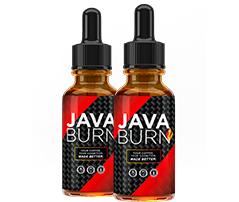
Java Burn™ Coffee Enhancer
- Tasteless nutrient blend designed to seamlessly stir into your daily coffee
- Formulated to support a steady, healthy metabolism without lifestyle disruptions
- Manufactured in a cGMP-compliant, FDA-registered facility
Most of us recognize that thirst acts as a basic signal for water intake, yet we often miss the silent, internal consequences of falling short on hydration. When your fluid levels drop, your circulatory system faces immediate physical stress that ripples outward to every tissue and organ. This simple oversight shifts the composition of your internal environment in ways that disrupt efficient delivery of oxygen and nutrients.
Water constitutes the primary component of your plasma, the liquid portion of your blood. When you lose more water than you take in, the concentration of cells and proteins within that plasma rises. This shift in volume alters the viscosity of your blood, creating a thicker state that demands more effort from your cardiovascular system to circulate.
Why dehydration makes your blood sticky and slow down because the reduced plasma volume increases the concentration of red blood cells, which creates higher resistance within your blood vessels. This thickened fluid moves less efficiently through narrow pathways, potentially limiting oxygen transport to peripheral tissues and muscles. Consistent water intake preserves proper volume and keeps circulation flowing at an optimal pace.
Key Takeaways
- Blood plasma is approximately 90 to 92 percent water, meaning even minor drops in total body water volume significantly impact viscosity.
- A reduction in fluid intake can lead to a decrease in stroke volume, forcing the heart to increase its beats per minute to maintain cardiac output.
- Clinical data suggests that adequate hydration helps manage blood pressure stability, with research from the National Institutes of Health highlighting how water balance affects long term cardiovascular markers.
The Mechanics Of Plasma Concentration
Your blood acts as a complex transport medium that relies on constant volume to function. When the body loses water through sweat, breathing, or excretion, the plasma volume contracts before the cells themselves start to suffer. This contraction leaves the same number of blood cells in a smaller total amount of liquid.
This higher cell density changes the friction against the walls of your arteries and veins. You can visualize this by comparing the flow of water versus the flow of honey through a narrow straw. While blood is never as viscous as honey, the physics of fluid dynamics remain the same when the solvent, in this case water, is reduced.
Researchers have examined these changes in laboratory settings to see how different states of hydration affect systemic flow. Proper hydration allows your body to regulate blood pressure and temperature more effectively. You can learn more about these processes through educational resources on physical health that detail the impact of fluid balance on body temperature.
Visualizing Flow Resistance In Circulation
To understand the impact of thicker blood, consider a mathematical approach to fluid volume versus surface area. If you possess five liters of blood, and you lose five hundred milliliters of water without replacing it, your plasma volume decreases by roughly ten percent. The remaining red blood cells, proteins, and electrolytes become more densely packed in the existing space.
This density increase creates a measurable rise in resistance. High resistance means your heart must exert more force to push the same volume through your vessels. This increased workload can lead to fatigue or reduced stamina during physical activity.
| Metric | Optimal State | Dehydrated State |
|---|---|---|
| Plasma Volume | Balanced levels | Reduced volume |
| Flow Resistance | Low friction | High friction |
| Heart Rate | Resting baseline | Elevated beat frequency |
Environmental Factors And Fluid Loss
External temperatures and activity levels dictate how quickly your body uses its water reserves. High heat forces your skin to release water via sweat to cool your internal temperature. This process creates a rapid shift in blood composition if you fail to replace those fluids promptly.
Humidity also plays a role in how your body loses moisture through respiration. In dry climates, the moisture you exhale evaporates faster, which can lead to invisible fluid loss over a long day. You should monitor your output, such as urine color, to gauge your personal needs rather than following generic eight glass recommendations.
According to data from the CDC, maintaining adequate fluid levels supports essential bodily functions during daily movement. Monitoring these markers helps individuals identify when they need more water to maintain their physical baseline. Keeping a reusable bottle nearby acts as a simple visual cue for regular intake.
Common Indicators Of Suboptimal Hydration
Your body provides subtle feedback when it lacks the volume necessary for ideal circulation. Recognizing these signs helps you intervene before the effects become more pronounced. These signs often point to a need for water rather than other snacks or supplements.
- Persistent Fatigue: A lack of fluid makes every movement require more effort from your heart.
- Reduced Mental Focus: Mild drops in volume can impact how quickly your brain processes signals.
- Dry Mucous Membranes: Your mouth and eyes often show early signs of systemic fluid stress.
Strategies For Maintaining Fluid Balance
Consistency proves more important than consuming large amounts of water in one sitting. Your body absorbs water most effectively when you drink small amounts throughout the entire day. This approach prevents the peaks and valleys that can disrupt your internal stability.
Consider the electrolytes found in your diet, such as sodium and potassium. These minerals assist in moving water into cells where it serves the most purpose. Eating whole fruits and vegetables provides both hydration and these important minerals simultaneously.
Focusing on water as your primary beverage choice limits unnecessary sugar intake. High sugar drinks can actually pull water into the digestive tract, potentially hindering hydration efforts. Stick to plain water, herbal infusions, or naturally flavored water for the best results.
Frequently Asked Questions
Can drinking too much water cause the opposite problem?
Consuming an excessive amount of water in a very short duration can dilute the sodium concentration in your blood. This condition, known as hyponatremia, affects the balance of fluids both inside and outside of your cells.
Most healthy individuals maintain balance through standard thirst signals and kidney function. You should aim for steady consumption rather than large, rapid intake to allow your kidneys time to process the fluid appropriately.
Does exercise change how my blood flows?
Exercise naturally increases your heart rate and moves blood faster to support working muscles. If you start this activity while already dehydrated, your heart must work harder to manage that increased demand.
Providing your body with enough water before and during movement keeps the blood at a healthy viscosity. This allows your heart to pump efficiently and helps you maintain your performance levels for a longer duration.
Do caffeinated drinks contribute to dehydration?
Caffeine has a mild diuretic effect, meaning it encourages the kidneys to release more water. For many people, the amount of fluid in a cup of coffee or tea outweighs the minor diuretic impact.
If you consume caffeine, consider balancing it with an equal amount of plain water. This ensures you maintain a net positive fluid balance throughout your day.
How does age affect my hydration needs?
As individuals grow older, the sensation of thirst often becomes less sensitive. This means you might not feel the urge to drink until your body is already quite low on fluids.
Setting a schedule for hydration becomes a helpful habit for older adults to ensure they remain properly fueled. Relying on a routine rather than just a feeling of thirst helps mitigate the risk of chronic low-level dehydration.
Can food provide enough hydration?
Whole foods like cucumbers, melons, and citrus fruits contain significant water content. These sources contribute to your daily total, but they should supplement, not replace, plain water intake.
Eating water-rich foods provides the added benefit of fiber and micronutrients. A diet centered on whole, unprocessed items naturally supports better hydration habits across your lifespan.
The Bottom Line
Maintaining adequate fluid levels preserves the health of your circulatory system and helps you feel your best. Understanding how dehydration impacts the flow and density of your blood highlights the importance of consistent, daily water intake.
Prioritize water as your main source of hydration starting today. Observe how your energy levels stabilize when you keep your body balanced through regular, moderate consumption.
Not everyone should follow the same hydration protocol due to varying activity levels, climate, and personal health factors. Never stop or change any medication without consulting the provider who recommended it. Consult a licensed healthcare provider before starting any new wellness routine.
Get Your FREE Natural Health Guide!
Subscribe now and receive our exclusive ebook packed with natural health tips, practical wellness advice, and easy lifestyle changes, delivered straight to your inbox.