Old Fashioned Mustard Plaster For Chest Inflammation Tips
Most of us have childhood memories of home remedies that felt like they came from another century. We recall the scent of pungent ingredients being mixed in the kitchen while we rested on the couch with a heavy cold. This traditional mustard plaster for chest inflammation remains a recognizable figure in the history of domestic wellness practices.
The preparation involves ground brown mustard seeds mixed with flour to create a poultice applied to the torso. Its reputation stems from the heat it produces when the volatile oils in the seeds touch the skin. The goal is to stimulate circulation and provide a sense of comfort during seasonal congestion.
A mustard plaster for chest inflammation is a topical preparation made from ground mustard seed, flour, and warm water applied to the skin using a cloth barrier. It works by creating a mild warming sensation on the surface of the skin to support local blood flow. Always use a thick barrier like a towel between the mixture and the skin to prevent irritation and never leave it on for more than fifteen minutes.
Key Takeaways
- Mustard seeds contain compounds that generate a warming effect when activated by water at temperatures below 120 degrees Fahrenheit.
- The typical duration for a skin application ranges between 5 to 15 minutes to avoid skin damage.
- Properly prepared mixtures maintain a ratio of at least one part flour to one part mustard powder to moderate intensity.
Understanding The Warming Influence
The core mechanism of these traditional applications relies on volatile oils that react with warm water. Once mixed, these compounds trigger a process that brings warmth to the surface of the body. This sensation is often described as a deep glowing heat.
Research from the National Institutes of Health indicates that certain plant compounds influence sensory receptors in the skin. These receptors respond to environmental shifts by triggering localized responses. Understanding these biological pathways helps us appreciate why traditional methods focus on comfort and relaxation.
We must prioritize skin integrity above all else during this process. Direct contact between raw mustard and skin often leads to redness or discomfort. Using a thick layer of fabric ensures the heat remains gentle and controlled.
Safety First Application Protocols
Safety is the most critical element when you choose to use historical remedies. Mustard is a potent spice that should not be underestimated. Your skin is the largest organ and requires protection from harsh substances.
- Test a small amount on the inner forearm to see how your skin reacts before moving to the chest area.
- Monitor the time constantly because prolonged exposure significantly increases the risk of damage.
- Protect the area with a dedicated layer of flannel or thin cotton to keep the mustard paste from direct skin contact.
Evidence regarding skin irritation is well documented in academic literature. Studies from the National Library of Medicine show that volatile plant oils possess high activity levels. We must treat these ingredients with respect to avoid unwanted side effects.
Traditional Preparation Methodology
Creating an effective mixture requires patience and attention to ratios. A standard approach uses simple pantry items to ensure the poultice remains manageable. Consistency is the secret to a successful application.
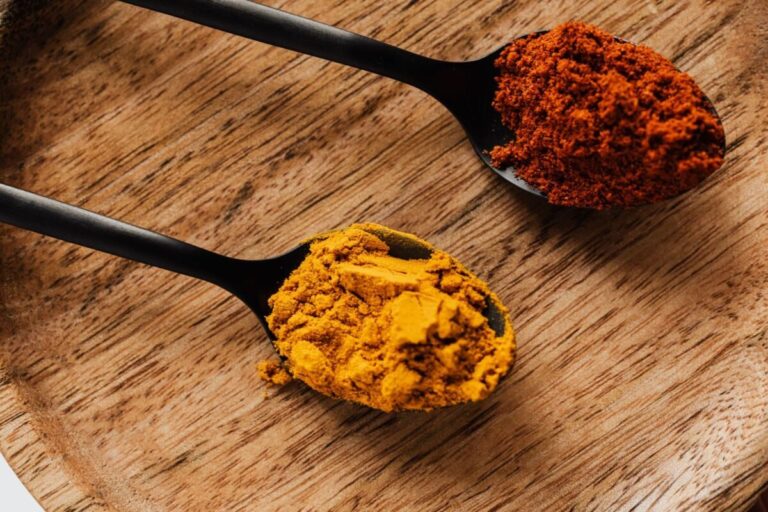
Mix equal parts of high quality ground mustard powder and organic flour. Slowly add lukewarm water while stirring to create a thick paste. The texture should resemble a spreadable dough rather than a liquid.
Once the paste reaches the desired thickness, spread it onto a clean piece of cotton cloth. Fold the edges inward to create a sealed pouch. This pouch becomes your vessel for the application.
| Component | Function | Role |
| Mustard Powder | Active Ingredient | Provides Warming Sensation |
| Wheat Flour | Buffer Agent | Controls Heat Intensity |
| Lukewarm Water | Activator | Triggers Volatile Oils |
Evaluating Seasonal Wellness Support
Many individuals seek comfort during the colder months when air quality changes. We often look for ways to support our breathing and overall ease. These practices provide a tactile way to focus on self care during rest.
While this approach feels comforting, it does not replace professional guidance. Never ignore persistent discomfort or breathing difficulties. Always speak with a healthcare provider if your symptoms feel concerning or last for an extended period.
Integrate these practices only as a supplementary comfort measure. The value lies in the slow process of rest and relaxation. Give yourself permission to pause and recover completely.
Incorporating Complementary Aromatic Support
Aromatherapy serves as a perfect companion to traditional poultices. Scents like eucalyptus or peppermint often pair well with the experience of a warm compress. These aromas help foster a calm environment for rest.
Distribute a few drops of high quality essential oil onto the cloth layer before applying it to the chest. The heat from the mixture helps disperse the aromatic compounds into the air. This adds a sensory layer to the entire experience.
Documentation from the University of Arkansas regarding plant use provides context for these combinations. We can appreciate how generations combined physical warmth with herbal support. It remains a fascinating area of historical research.
Frequently Asked Questions
Is it safe to leave a mustard plaster on overnight?
It is never safe to leave a mustard application on for more than fifteen minutes, let alone overnight. The potency of the mustard seed oils can cause significant skin irritation and even surface blistering if left in place too long.
The skin needs time to breathe and recover after any topical stimulation. Always remove the application immediately if you notice intense burning or significant redness. Prioritizing short durations is the most effective way to maintain safety while using this traditional method.
What type of mustard powder is best for this process?
The best powder for this purpose is standard brown or black mustard seed ground into a fine dust. These varieties contain higher concentrations of the volatile oils required for the desired warming effect.
Avoid prepared yellow mustard from the refrigerator as it contains vinegar and other additives that do not provide the same results. Using pure, dry powder allows you to control the ratio of the mixture exactly. Always check the ingredients label to ensure you have pure mustard seed powder.
Can children use this type of remedy?
Children have much thinner and more sensitive skin than adults, making them poor candidates for this specific type of application. The risk of unintended skin irritation is far too high for younger individuals.
It is best to avoid using these types of intense warming poultices on children entirely. Focus on other gentle methods like steam inhalation or simple hydration to support their comfort. Always talk to a pediatrician before trying new wellness routines on young family members.
How do I clean the skin after removal?
Gently remove the cloth and wipe the area with a soft, damp cloth to remove any residual powder. Do not scrub the skin, as it will likely be sensitive or tender from the heat.
If the skin feels dry or irritated, apply a light layer of natural oil or lotion to soothe the surface. Check the area again after an hour to ensure the redness is fading as expected. If the skin remains bright red or shows signs of broken surface tissue, seek guidance from a medical professional.
Are there specific areas to avoid on the body?
Always avoid applying this mixture to sensitive areas like the neck, the underarms, or any region where the skin is thin. You must also keep the application away from the face, eyes, and any open wounds or rashes.
The mixture is designed specifically for the thicker skin of the chest or upper back. Never place it over areas with thin skin or high concentrations of nerve endings. Always maintain a conservative approach to where and how you apply these traditional remedies.
The Bottom Line
Exploring the history of a mustard plaster for chest inflammation reveals a deep connection to simple, pantry-based wellness. While these methods offer a comforting, sensory experience, they require careful attention to safety and skin integrity.
Always perform a patch test before trying any new topical application. Consult a licensed healthcare provider before starting any new wellness routine.
Important: Never stop or change any medication without consulting the provider who recommended it. This content is for educational purposes only and should not replace professional medical advice.
Get Your FREE Natural Health Guide!
Subscribe now and receive our exclusive ebook packed with natural health tips, practical wellness advice, and easy lifestyle changes, delivered straight to your inbox.