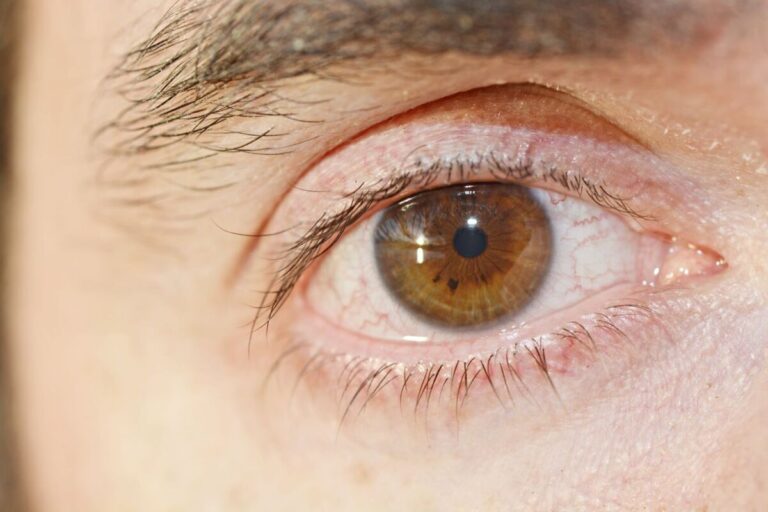
Understanding Daily Hydration For Eye Moisture Maintenance
Most of us underestimate the role of internal fluid balance on our ocular surface. My research into wellness patterns shows that systemic fluid intake directly supports the thin tear film covering the eyes. Focusing on steady water consumption helps preserve the integrity of this delicate surface layer throughout the day.
When the body lacks sufficient fluid, the natural oil and water balance of the tear film shifts. This creates an environment where environmental triggers cause greater discomfort. Maintaining consistent water intake acts as a foundation for supporting overall ocular comfort.
Hydration for eye moisture involves consuming adequate daily water to support the production of tears that keep the cornea lubricated. This practice helps individuals maintain a stable tear film and reduces the frequency of gritty sensations. Prioritizing consistent fluid intake is a practical approach for long term ocular wellness.
Key Takeaways
- Systemic fluid intake impacts the production of aqueous components in the tear film.
- Clinical data suggests that 2 to 3 liters of water per day supports optimal mucus membrane health.
- Research from the National Eye Institute indicates that tear film stability relies on balanced lipid and water composition.
Supporting Ocular Wellness With Consistent Intake
The human body functions as a complex system of interconnected pathways. When one area lacks sufficient resources, the impact often appears in sensitive areas like the ocular surface. Tears are composed of water, oils, and proteins that must remain in a precise ratio.
Many individuals overlook the influence of climate on their internal needs. Dry air and increased screen time place a higher demand on the tear film. Supplying the system with enough liquid resources ensures that the body maintains this protective layer.
Strategic consumption of fluids should occur throughout the morning and afternoon. This prevents the dip in systemic availability that often happens before lunch. Consistent sipping patterns allow the body to utilize fluids more efficiently than sporadic, large volume consumption.
Dietary Factors And Moisture Balance
Water is the primary component of a healthy tear film. However, electrolytes like sodium and potassium help the body retain that water effectively. Including mineral rich foods helps ensure that internal fluid levels remain stable.
Leafy Greens provide essential minerals that support cellular health. These foods assist in maintaining the viscosity of fluids across all mucous membranes. Adding spinach or kale to meals contributes to a well rounded nutrient intake.
Omega Fatty Acids are crucial for the oil layer of the eye. This layer prevents the water component from evaporating too quickly into the surrounding air. Research from UC Davis Health suggests that fatty acids support gland function.
Quantifying Fluid Needs For Ocular Comfort
Calculating the correct amount of water for an individual requires looking at activity levels and local environment. A baseline goal helps provide structure for daily habits. Use the following metrics to evaluate if your current intake is sufficient for systemic needs.
| Category | Recommended Baseline | Activity Adjustment |
| Sedentary Adult | 2 Liters Daily | None Required |
| Active Individual | 2.5 Liters Daily | Add 500 Milliliters |
| High Heat Exposure | 3 Liters Daily | Add 1 Liter |
Environmental Triggers And Lifestyle Habits
External factors significantly influence how well the body manages moisture levels. Air conditioning and heating systems reduce the humidity in indoor environments. This causes rapid evaporation of the tear film, regardless of how much water an individual consumes.
Blinking frequency often decreases during long sessions of digital device use. This behavior prevents the fresh spread of tears across the surface of the eye. Implementing a 20 minute break to look at distant objects can help reset this process.
Research from the Centers for Disease Control emphasizes that visual habits are tied to overall ocular health. Avoiding direct air flow from fans onto the face also helps maintain the integrity of the moisture layer. Small changes to the workspace environment often yield significant improvements in comfort.
Frequently Asked Questions
How long does it take for improved fluid intake to influence eye comfort?
Consistency is the primary driver when observing changes in systemic wellness. Most individuals notice a shift in general sensations within one to two weeks of establishing a steady hydration routine.
The body must normalize its internal fluid distribution across all tissues before specific areas like the eyes show marked improvement. Maintaining this habit for at least twenty one days allows for a more accurate assessment of individual results.
Are caffeinated beverages detrimental to maintaining ocular moisture?
Caffeine acts as a mild diuretic which can affect how the body processes fluid. However, moderate consumption is usually not problematic if the individual also meets their baseline water requirements.
Monitoring total daily fluid intake remains more important than avoiding caffeine entirely. Aim to balance every cup of coffee with a glass of plain water to ensure the body remains well supplied.
Does humidity influence the effectiveness of water intake?
Environment plays a massive role in how the tear film behaves throughout the day. High humidity helps the surface of the eye stay lubricated naturally by reducing the rate of evaporation.
When living in a low humidity environment, the body loses moisture faster than it can replace it through internal pathways alone. Using a humidifier in sleeping or work spaces helps the body retain its moisture more effectively.
Why do some people experience more dryness despite drinking water?
Multiple factors beyond simple fluid intake influence the quality and quantity of tears. Blocked glands or age related changes in tear composition can prevent the eye from holding onto the moisture it receives.
If consistent fluid intake fails to provide relief, the issue may be rooted in gland function rather than systemic volume. Seeking professional guidance helps identify if external support or specific techniques are needed for comfort.
Can physical activity help manage eye moisture levels?
Regular movement promotes healthy circulation throughout the body. Improved circulation assists in delivering nutrients and fluids to all tissues, including the delicate structures around the eyes.
While intense exercise can increase fluid loss through sweat, replenishing those losses supports general body homeostasis. Balancing physical activity with adequate electrolyte and water replacement is a sound strategy for maintaining ocular health.
The Bottom Line
Maintaining a stable tear film requires a combination of adequate systemic water intake and environmental management. While hydration for eye moisture is a foundational pillar of wellness, other factors like blink frequency and ambient humidity also play a role.
Adopt a consistent schedule for water consumption and monitor how it impacts your daily comfort levels. Consult a licensed healthcare provider before starting any new wellness routine.
Those with underlying health conditions or those taking specific medications should avoid modifying their dietary habits without professional input. Never stop or change any medication without consulting the provider who recommended it.
Get Your FREE Natural Health Guide!
Subscribe now and receive our exclusive ebook packed with natural health tips, practical wellness advice, and easy lifestyle changes, delivered straight to your inbox.