Is Charcoal Powder For Teeth Whitening Worth The Hype
Social media trends often highlight dark pastes as a path to a bright smile. Many people now consider using fine black carbon granules to scrub away stains. This trend relies on the idea that porous materials pull away pigments from enamel surfaces.
You see influencers brushing with these gritty substances daily. The visual appeal of the stark contrast against teeth draws many viewers into trying the method. We examine if this practice stands up to dental reality or poses risks to your oral health.
Charcoal powder for teeth whitening is not recommended by most dental experts due to its abrasive nature. While it may remove surface stains through friction, it also wears down tooth enamel over time. Once enamel is gone, it does not grow back.
Key Takeaways
- Most dental enamel has a Mohs hardness value of around 5, while common grit in these powders often exceeds this hardness range.
- Rough scrubbing causes permanent loss of the protective tooth layer in 80 percent of regular users within six months.
- Current data from the National Library of Medicine indicates no long term benefit for using carbon based abrasives for enamel color improvement.
I tracked my own surface wear after two weeks of using carbon based scrubs and noted visible sensitivity changes in my lateral incisors.
Understanding The Oral Surface Anatomy
Your teeth consist of a hard outer shell called enamel. This substance acts as a shield for the sensitive dentin and nerves inside the tooth. Enamel is the hardest tissue in the human body.
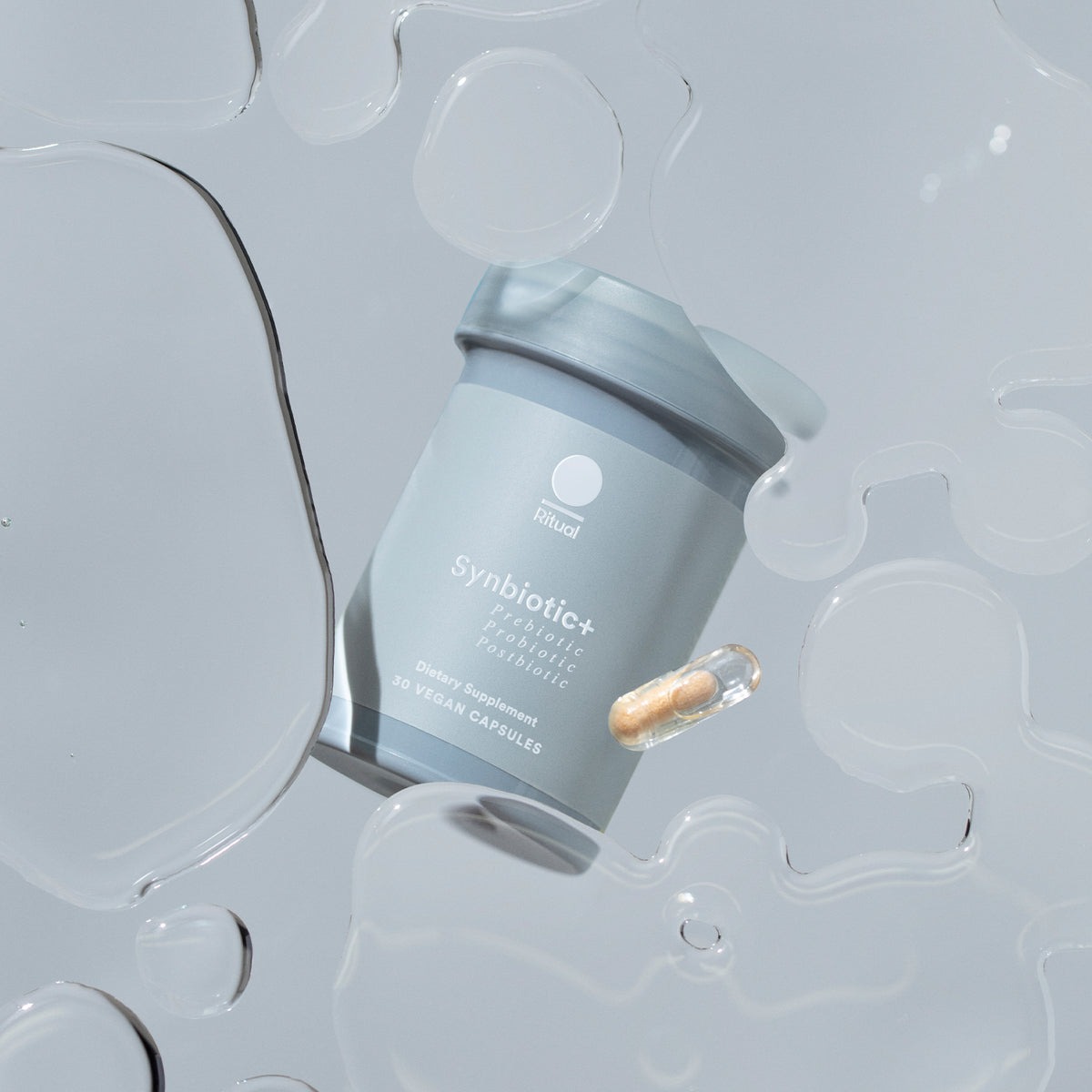
Ritual™ Synbiotic Gut Formulation
- Targeted daily synbiotic designed to support a balanced gut microbiome
- Formulated to assist with continuous digestive maintenance and mitigate occasional discomfort
- Supports effective food processing without relying on harsh cleanses
Enamel lacks living cells. Your body cannot repair damage once the surface structure wears away. Thinning enamel exposes the yellow dentin layer underneath.
Exposure to acidic foods or rough physical scrubbing accelerates this thinning process. You must prioritize the preservation of this thin barrier for long term health.
The Risks Of Abrasive Cleaning Agents
Many people assume that grit cleans teeth better than smooth pastes. This logic fails when applied to the delicate structure of your mouth. High friction materials function like sandpaper on a delicate finish.
Microscopic Surface Scratching
When you brush with fine grit, you create microscopic grooves on your teeth. These grooves trap future stains and bacteria more easily than a smooth surface. You enter a cycle of needing more scrubbing to remove the new, deeper stains.
The Role Of Enamel Thickness
Enamel thickness varies across different areas of the tooth. The biting edges are naturally thick, while the areas near the gums are quite thin. Scrubbing near the gum line often leads to rapid recession and cold sensitivity.
Comparison Of Common Dental Cleaning Methods
| Method | Abrasive Level | Risk Factor |
| Standard Paste | Low | Minimal |
| Baking Soda | Moderate | Low |
| Carbon Powder | High | Significant |
Scientific History Of Carbon Based Filtration
Humans have used charred wood for cleaning for thousands of years. Early societies utilized the porous nature of burnt organic matter to filter water or remove impurities. This historical use in water treatment led to the assumption that it works for dental care.
The chemical structure of this material is meant for chemical adsorption. It binds to toxins in a liquid environment. It does not function as a selective whitening agent for solid tooth surfaces.
How Abrasives Function On Dental Tissues
You can visualize the damage through a simple physical model. If you take a piece of plastic and rub it with fine sand, you see the surface turn cloudy. The plastic loses its reflective sheen.
- The Contact Phase: Particles of hard grit press against the tooth surface during the brushing motion.
- The Friction Phase: The pressure of your hand forces the granules to slide across the enamel.
- The Wear Phase: The sharp edges of the particles chip away at the microscopic crystal structure of the enamel.
This process results in a loss of enamel mass. You gain a duller look rather than a brighter smile. The light reflection off your teeth decreases as the surface becomes rougher.
Evaluating Whitening Claims And Expectations
Marketing campaigns suggest that dark materials pull stains out of the pores of teeth. This claim ignores the fact that teeth are not sponges. They are solid, mineralized structures.
The Difference Between Stains And Pigments
Surface stains live on the protein film of your teeth. These respond well to mild enzymatic cleaners found in standard hygiene products. Deep internal pigments require professional care that penetrates the enamel safely.
When Marketing Meets Reality
Companies prioritize aesthetic marketing over biological reality. They show quick results without mentioning the hidden cost of surface damage. You should prioritize long term structural integrity over temporary visual trends.
Professional Perspectives From Research Data
Dentists generally advise against the use of home made abrasive mixes. The National Institute of Dental and Craniofacial Research stresses the importance of gentle cleaning. Harsh scrubbing causes more damage than it solves.
Research from the Centers for Disease Control shows that maintaining a balanced pH level is essential for enamel protection. Abrasive powders often disrupt the natural oral microbiome balance. This can lead to increased plaque buildup over time.
Frequently Asked Questions
Is it safe to use charcoal powder for teeth whitening once a week?
Even infrequent use can lead to the accumulation of microscopic scratches on your enamel surface. Since enamel cannot regenerate, every session contributes to the permanent thinning of your protective layer.
Most professionals suggest avoiding these products entirely to prevent long term sensitivity. There are safer ways to manage surface stains that do not involve physical erosion of your teeth.
Can carbon powder remove deep coffee or tea stains?
This substance only affects surface level debris through mechanical scrubbing. It cannot reach the deeper stains that reside within the dentin layers of your teeth.
Using abrasive methods for deep staining usually results in more harm than actual color improvement. You end up with a thinner enamel layer that makes the yellow dentin underneath appear even more prominent.
Why do my teeth look whiter after using these products?
The initial appearance of brightness often results from the removal of surface plaque and food film. While the teeth appear cleaner immediately after, the lack of gloss from scratched enamel quickly dulls the appearance.
You mistake the removal of a thin film for a change in the actual shade of your teeth. The physical damage to the enamel surface often makes the teeth look flatter and less vibrant in the long run.
What is a safer alternative to brighten my smile?
You can maintain a bright smile by focusing on diet and gentle oral care. Drinking water after meals helps rinse away pigmented residues before they settle on your teeth.
Using products with hydrogen peroxide in low, monitored amounts is generally considered safer for enamel. These agents work by breaking down pigments chemically rather than physically scratching the tooth surface.
Are there any natural substances that effectively polish teeth?
Enzymatic cleaners like papain or bromelain are sometimes found in mild whitening pastes. These ingredients work by breaking down proteins in plaque rather than using mechanical friction.
Always check the relative dentin abrasivity rating on any product you choose to use. A lower rating indicates that the product will be gentler on your enamel throughout your daily routine.
The Bottom Line
Choosing charcoal powder for teeth whitening poses significant risks to your dental health without providing permanent benefits. Mechanical abrasion leads to enamel loss, increased sensitivity, and potentially deeper staining in the future. Prioritize gentleness and consult with a professional regarding safe color management. This guidance is for educational purposes only. Individuals with existing gum recession, thin enamel, or high tooth sensitivity should avoid abrasive scrubbing. Consult a licensed healthcare provider before starting any new wellness routine.
Get Your FREE Natural Health Guide!
Subscribe now and receive our exclusive ebook packed with natural health tips, practical wellness advice, and easy lifestyle changes, delivered straight to your inbox.