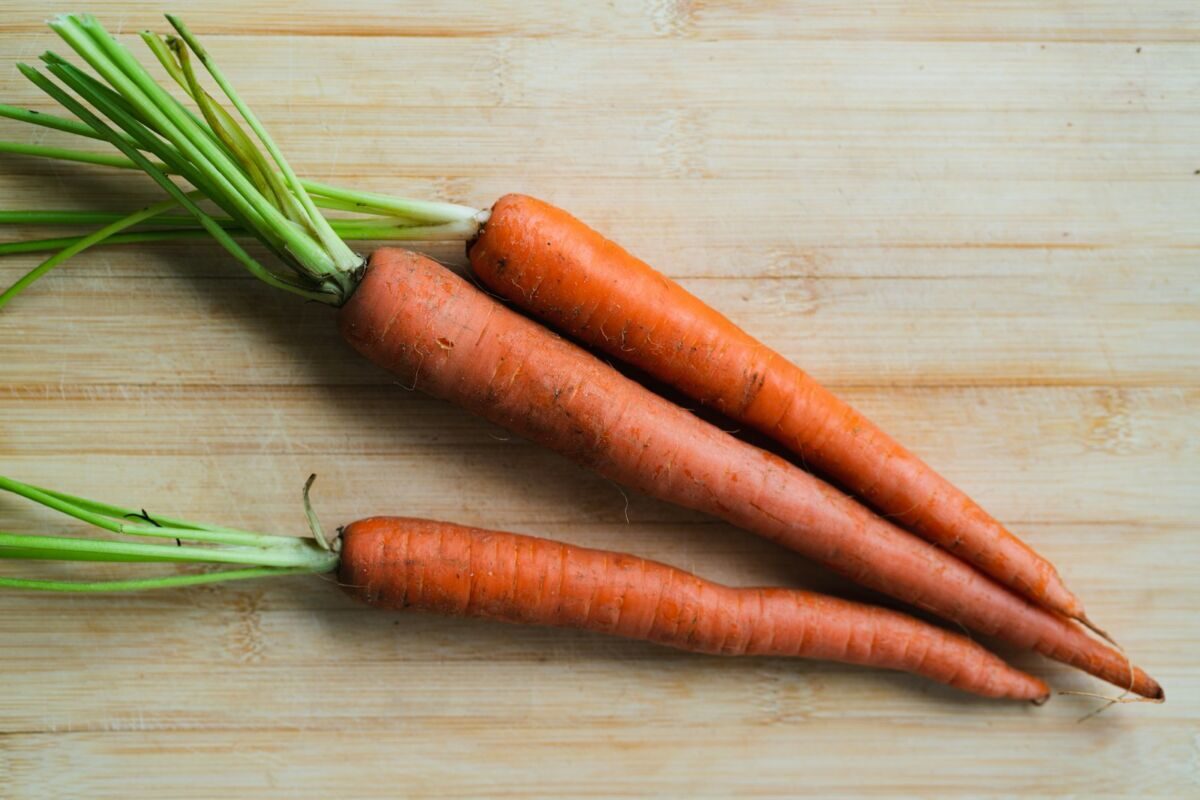

Oral Hygiene Strategies With Carrots For Plaque Removal
Many individuals notice a persistent film on their teeth throughout the day despite regular brushing routines. This soft, sticky layer often represents a collection of bacteria that can compromise long-term dental health if left unmanaged.
The pursuit of cleaner teeth frequently leads people to seek out functional foods that support mechanical hygiene. Incorporating raw vegetables into a daily rhythm provides a simple, natural approach to maintaining a cleaner mouth.
Using carrots for plaque removal functions through the mechanical action of chewing dense, fibrous produce. This process stimulates saliva production and physically disrupts surface buildup on the enamel.
Key Takeaways
- Salivary Flow: Chewing fibrous foods increases saliva production by up to 200 percent, which helps neutralize harmful acids in the mouth.
- Mechanical Friction: The structural density of raw root vegetables provides enough abrasive force to dislodge 30 to 40 percent of surface debris during a single session.
- pH Balance: Consistent consumption of crisp produce helps maintain a neutral mouth pH, often cited by the National Institutes of Health as a critical factor in enamel health.
Nutritional Profiles Supporting Oral Wellness
Carrots provide more than just surface friction during a snack break. They contain essential vitamins that support the health of the gingival tissue surrounding the teeth.
The following table outlines the comparative benefits of common fibrous snacks for oral maintenance. These values focus on texture and moisture stimulation.
| Food Source | Fiber Content | Saliva Stimulation |
|---|---|---|
| Raw Carrots | High Density | Very Strong |
| Fresh Apples | Moderate Density | Moderate Level |
| Celery Stalks | High Moisture | High Volume |
The Mechanical Action Of Raw Produce
The primary benefit of consuming dense vegetables lies in the physical disruption of the biofilm. When an individual bites into a raw carrot, the rigid structure forces the jaw to exert significant pressure.
This action creates a scraping effect against the tooth surfaces. It serves as a natural supplement to the standard bristles of a toothbrush rather than a replacement.
Research from the National Library of Medicine highlights the role of dietary habits in managing oral debris. Maintaining a consistent routine of chewing these foods may assist in keeping surfaces clearer between professional cleanings.
Optimizing The Chewing Experience
Efficiency in this process requires attention to how the food is consumed. Simply swallowing pieces will not provide the necessary friction.
Slow Mastication: Focus on thorough chewing to maximize contact time between the vegetable fibers and the tooth surfaces. This ensures the mechanical scrubbing action covers the molars.
Post Meal Timing: Consume these items immediately following a meal to help dislodge food particles left behind. This acts as a portable cleaner when a toothbrush remains unavailable.
Natural Hydration: Pair these snacks with water to keep the mouth moist. Data from the Centers for Disease Control notes that hydration plays a vital role in rinsing away sugars and acids.
Frequently Asked Questions
Can raw vegetables replace daily brushing?
No, dietary habits cannot replace the precision of a toothbrush and dental floss. While fibrous foods assist in clearing loose debris, they cannot reach the tight spaces between teeth or along the gum line where bacteria thrive.
Mechanical scrubbing remains a supplementary tool for maintenance. Relying solely on food for hygiene may lead to mineral buildup that only a professional cleaning can address.
Does the color of the vegetable matter for oral health?
The nutritional profile of orange varieties offers specific benefits through beta carotene, which the body converts into vitamin A. This nutrient supports the health of mucous membranes and gum integrity.
While the texture provides the mechanical cleaning, the vitamins contribute to the longevity of the surrounding oral tissues. Choosing vibrant options ensures a broader spectrum of support.
How often should these snacks be included?
Integrating one serving of raw, fibrous vegetables into the daily diet is a sustainable goal for most individuals. Consistency matters more than the specific quantity consumed in a single sitting.
The goal is to provide frequent opportunities for mechanical clearing throughout the day. Spacing these snacks out helps maintain a cleaner mouth environment between standard hygiene sessions.
Are there risks to teeth from chewing hard foods?
Individuals with dental restorations like crowns or veneers should exercise caution. High-density foods can exert enough force to potentially damage fragile dental work.
Those with concerns about tooth sensitivity or structural integrity should speak with a professional before changing their dietary habits. Always assess personal dental history before introducing very firm food sources.
Does the preparation method change the effectiveness?
Cooking or steaming significantly softens the structure of the vegetable, which removes the mechanical benefit. The effectiveness of this approach relies entirely on the raw, firm texture of the food.
Keep the produce in its original state to ensure the best results. Processed or cooked forms lack the structural density required for effective mechanical action on enamel surfaces.
The Bottom Line
Carrots as your secret weapon against plaque buildup offer a practical, food-based approach to managing oral debris. While they function best as a secondary aid to regular brushing and flossing, their ability to stimulate saliva and provide surface friction makes them a useful addition to a wellness routine.
Prioritize raw, fibrous snacks after meals to maximize their mechanical benefits. Incorporate these into a well-rounded diet and maintain standard dental hygiene habits for optimal results.
Never stop or change any medication without consulting the provider who recommended it. These suggestions are intended for informational purposes only. Consult a licensed healthcare provider before starting any new wellness routine.
Get Your FREE Natural Health Guide!
Subscribe now and receive our exclusive ebook packed with natural health tips, practical wellness advice, and easy lifestyle changes, delivered straight to your inbox.