markdown
Understanding How To Use Black Pepper To Boost Turmeric Inflammation
Nature offers many simple ways to support your physical comfort every day. Most people seek natural additions to their kitchen pantry to manage daily stress on the body. You may find that adding spices to your meals provides a gentle way to support your well being.
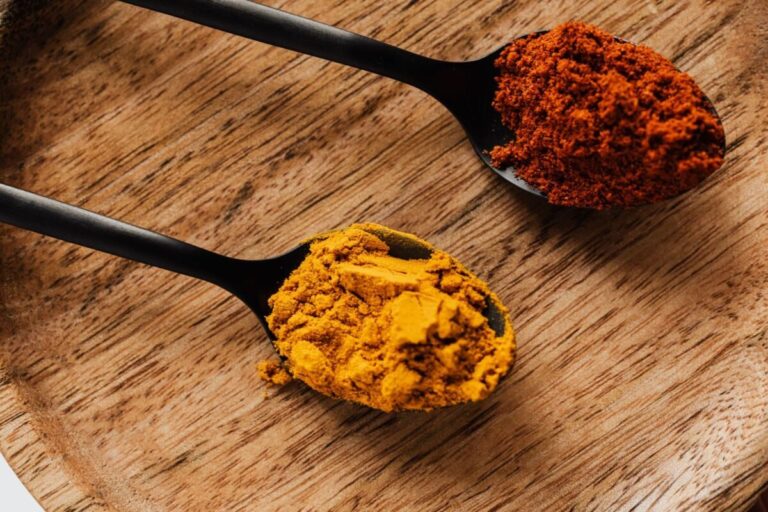
Turmeric contains a compound known as curcumin which is popular for its role in calming the system. However the body does not absorb this compound well on its own. Adding small amounts of a specific spice helps your system hold onto these active properties for a longer period.
Using black pepper to boost turmeric inflammation support works by slowing down the processing of curcumin in the liver. This interaction creates a 2000 percent increase in the availability of the beneficial compounds in your bloodstream. Combine these two spices in your daily meals to assist your body in managing internal tension.
Key Takeaways
- Curcumin availability in the bloodstream increases by 2000 percent when paired with piperine found in pepper.
- The liver processes turmeric rapidly which limits the time it remains active in the body.
- Recommended daily amounts for general wellness often range between 500 and 1000 milligrams of turmeric extract.
I found that adding a pinch of freshly ground peppercorns to my golden milk ritual makes a noticeable difference in how my joints feel after long hikes.
1. Why Your Body Needs A Helper
Turmeric is a vibrant root that has been part of global food traditions for centuries. It contains curcumin which is the star of the show. Many people fail to see results because they treat the spice like a standard ingredient rather than a concentrated supplement.
Your digestive system is quite efficient at moving substances along. Once turmeric enters your stomach it travels to the liver. The liver then works to neutralize the compound before it ever reaches your cells. This process makes it difficult for the body to utilize the substance for any duration.
The Role Of The Liver
The liver acts as a gatekeeper for everything you consume. It uses specific enzymes to break down foreign molecules. Curcumin undergoes a process called glucuronidation where the liver attaches a tag to the molecule for disposal. This tag essentially flags the compound for excretion through the kidneys or the gut.
Understanding Piperine
Piperine is the chemical in black pepper that gives it a sharp bite. This compound inhibits the enzymes that tag curcumin for disposal. By slowing down this gatekeeper the piperine allows the body to maintain higher levels of turmeric in the blood. This simple change allows your system to use the spice for more than just flavor.
2. The Science Of Bioavailability
Bioavailability refers to how much of a nutrient actually makes it into your circulation. Research from the National Institutes of Health indicates that substances often change when they hit the digestive tract. Low bioavailability is a common hurdle with plant based compounds.
| Substance | Absorption Level | Impact |
|---|---|---|
| Turmeric Alone | Low | Rapid excretion |
| Turmeric Plus Pepper | High | Extended activity |
| Standard Dosage | Variable | Requires fat for use |
3. Fat Is A Necessary Partner
Turmeric is not soluble in water which means it needs a different medium to travel through your system. Fatty acids allow the spice to cross the walls of your intestines effectively. Without a fat source the compound stays mostly within your digestive tract.
Choosing Healthy Fats
You have many options when selecting the right fat to pair with your spices. Healthy fats help deliver the turmeric to your cells where it can do the most work. Consider using sources that provide additional benefits to your heart and brain.
- Extra Virgin Olive Oil: This monounsaturated fat serves as a stable base for cooking your spices.
- Full Fat Coconut Milk: This choice works well for warm drinks or soups and provides a creamy texture.
- Avocado Oil: This oil handles heat well and does not alter the flavor profile of your savory dishes.
The Importance Of Heat
Heating these fats along with the spices releases the oils from the peppercorns. This gentle heat ensures the piperine is ready to interact with the turmeric. Do not burn your spices as high heat can damage the delicate plant oils.
4. Calculating Your Daily Intake
Finding the right amount of spice helps you avoid digestive upset while keeping the benefits consistent. If you use a ratio of 10 to 1 you can usually achieve the desired effect. For example combine 1 teaspoon of turmeric powder with 1/10 teaspoon of freshly ground black pepper.
Consistency is more important than consuming a large amount once per week. Spread your intake across two or three meals during the day. Small amounts frequently usually provide better results for the body than one large dose.
5. Incorporating Spices Into Meals
You can add these flavors to almost any meal. Savory dishes are the easiest way to include both ingredients. Salads and roasted vegetables become much more interesting with the addition of these spices.
- Roasted Cauliflower: Toss your florets in olive oil and coat them with turmeric and pepper before putting them in the oven.
- Lentil Soup: Add the spice blend during the last ten minutes of cooking to maintain the intensity of the flavor.
- Scrambled Eggs: Sprinkle the mixture onto your eggs just before serving for an easy morning addition.
6. The Role Of Traditional Wisdom
Many cultures have used this spice combination for generations. History shows that ancient cooking practices often prioritized the synergy between different plant ingredients. This approach was not accidental but rather a observation of what made the body feel satisfied.
Historical Use Of Spices
Trade routes brought turmeric and pepper to many parts of the world. Communities learned that these two spices worked better together in curries and stews. This knowledge was passed down through families long before science began to look at the chemistry involved.
Modern Scientific Confirmation
Recent studies from the National Library of Medicine support the effectiveness of this ancient pairing. While we now have the data to prove why it works the outcome remains the same. Traditional practices often hold a mirror to biological needs that we are only now beginning to quantify.
7. Quality Matters For Results
Not all powders are the same. Freshly ground spices contain volatile oils that pre packaged versions lose over time. When you buy ground spices that have sat on a shelf for months you may be losing the very compounds that provide the benefit.
- Whole Peppercorns: Purchase these in bulk and use a manual grinder for every meal.
- Organic Turmeric: Look for bright yellow powders that have a strong earthy aroma when you open the container.
- Proper Storage: Keep your spice jars in a cool dark cabinet away from the heat of your stove.
8. Contraindications And Safety
Even natural substances can cause reactions in some people. Turmeric can thin the blood slightly which is important if you have upcoming medical procedures. Always listen to your body and adjust if you notice any changes in digestion.
Evidence from the National Center for Complementary and Integrative Health suggests that you should be aware of how much you consume. High doses may not be appropriate for every person. Start with small amounts and monitor how your system responds over several weeks.
Frequently Asked Questions
Can I take turmeric supplements instead of using the raw spice?
Supplements offer a convenient way to get a standardized dose of curcumin. Many high quality supplements already include a small amount of black pepper extract to address the absorption issue mentioned earlier.
Always verify the label to ensure the supplement includes the piperine component. If you choose a supplement without it you will not receive the full value of the turmeric inside. Always check for third party testing to ensure the product purity.
Does black pepper have side effects?
Black pepper is generally safe for most people in culinary amounts. Some individuals might experience mild heartburn if they consume large quantities of ground pepper. It can also cause irritation for those with sensitive digestive linings.
If you find that pepper causes discomfort consider reducing the amount in your blend. You do not need a large volume to achieve the intended result for your body. Most people find that a tiny pinch is sufficient for their needs.
How long does it take to see results?
Wellness is a process that requires patience and steady habits. You will likely not notice a change after a single meal. Consistent daily intake over four to six weeks is usually the timeframe required to notice a shift in your physical comfort.
Tracking your progress in a simple journal can help you identify changes. Note how you feel in the morning and after activity throughout the day. Consistency is the primary factor in determining your personal outcome.
Can children use this spice combination?
Children can safely eat these spices as part of a balanced diet. Adding small amounts to family meals is a great way to introduce healthy ingredients. Always use moderation when cooking for young ones who may have sensitive palates.
Ensure that the spice is well mixed into foods rather than sprinkled on top. This prevents the pepper from causing a sudden irritation in the throat or mouth. Consult your family pediatrician if you have concerns about dietary additions for your children.
Are there other ways to improve turmeric absorption?
Beyond pepper and fats there are other ingredients that may play a role in how your body handles plant compounds. Some people find that adding ginger or cinnamon can provide complementary benefits. These spices work in different ways to support digestion and overall internal balance.
Including a diverse range of colorful vegetables in your diet also supports the body during the process of managing inflammation. Focus on a whole foods approach where spices are part of a larger, nutritious meal plan. Variety is the foundation of long term health.
The Bottom Line
You can effectively use black pepper to boost turmeric inflammation support through the simple power of synergy. By combining these two spices with a healthy fat you create the right conditions for your body to absorb active compounds. Remember that quality and consistency define your success with these natural pantry staples. Start small and watch how your body responds over time. This approach respects the natural rhythm of your system while using common kitchen ingredients to help you feel your best.
This information is for educational purposes and is not intended to replace professional guidance. Pregnant women, those with gallstones, or individuals on blood thinning medication should exercise caution. Consult a licensed healthcare provider before starting any new wellness routine.
Get Your FREE Natural Health Guide!
Subscribe now and receive our exclusive ebook packed with natural health tips, practical wellness advice, and easy lifestyle changes, delivered straight to your inbox.