Natural Ways To Increase Bladder Capacity And Hold Time
Many people struggle with the frustration of frequent bathroom trips throughout the day and night. Managing your fluid intake and bladder control habits helps you gain confidence during your daily activities. You can support your bladder function through gradual behavioral changes and consistent routine adjustments.
Improving the threshold of your bladder involves training the detrusor muscle to relax while the organ fills. Consistent habits allow your body to store higher volumes of urine before sending signals to your brain that it is time to go. Most people see results by practicing timed voiding, managing fluid timing, and strengthening the pelvic floor through consistent, focused muscle work.
Natural ways to increase bladder capacity and hold time involve scheduled voiding intervals combined with pelvic muscle conditioning. You should aim to stretch the time between bathroom visits by five to ten minutes each week until you reach a comfortable three to four hour window. This gradual approach retrains your nerves to accept more volume without triggering an urgent contraction.
Key Takeaways
- A normal bladder holds between 300 and 500 milliliters of liquid comfortably before triggering a strong urge to void.
- Pelvic floor exercises can decrease the urgency of bathroom trips by strengthening the support structures surrounding the urethra.
- Consistent fluid distribution during the day rather than drinking large amounts at once helps maintain a steady, manageable bladder volume.
I found that tracking my fluid intake alongside scheduled bathroom intervals provided my clients with a clear path toward better long term bladder control.
Understanding The Anatomy Of Retention
Your bladder acts as a muscular sac located in the pelvic cavity. It expands as it fills with urine produced by the kidneys. The process involves a complex signal loop between the bladder wall and the brain.
The Role Of The Detrusor Muscle
The detrusor muscle covers the wall of the bladder and stays relaxed during the filling phase. It only contracts when the bladder reaches a specific volume threshold. This muscle must maintain a state of low pressure to store urine effectively. If the muscle becomes overactive, it triggers the urge to empty even when the organ is not full.
Neurological Signaling Processes
Sensory nerves inside the bladder wall send signals to your nervous system when the wall stretches. This communication path determines how quickly you feel the need to visit the restroom. You can influence this sensitivity through consistent practice and behavioral adjustments. Research from the National Institute of Diabetes explains how these signals impact daily habits.
Timed Voiding Schedules
Timed voiding serves as a primary method for retraining the bladder to hold larger amounts of liquid. You start by identifying your current interval between trips to the bathroom. You then add ten minutes to that interval for the next week.
- Baseline Tracking: Keep a record for three days to see how often you currently visit the restroom.
- Gradual Extension: Increase the duration between voiding by small increments to avoid discomfort or leakage.
- Distraction Techniques: Engage in mental puzzles or physical activities when you feel an urge before your scheduled time.
Pelvic Floor Conditioning
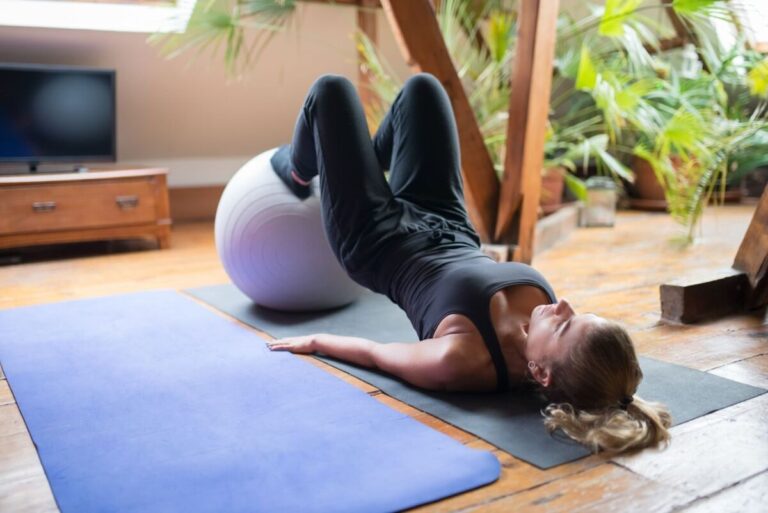
The muscles at the base of the pelvis provide physical support for the bladder and urethra. Strengthening these muscles adds a layer of control that helps you hold back the urge to go. This support prevents the sudden pressure that often leads to accidents or excessive frequency.
Identifying The Correct Muscle Group
You can locate these muscles by trying to stop the flow of urine while you are in the bathroom. Do not make a habit of doing this while you empty, as it can disrupt normal flow. Once you feel the specific contraction, you know which muscles to engage during your daily training sessions.
Execution Of Targeted Exercises
Perform these movements in a comfortable, seated position. Contract the pelvic floor muscles for three to five seconds, then release them for the same duration. Repeat this cycle ten times during three separate sessions throughout your day.
Fluid Intake Calibration
The total volume of liquid you consume directly influences how often your body produces urine. You do not need to restrict fluids to a point of dehydration. Instead, you focus on when and how you consume them to allow your bladder to fill gradually.
| Fluid Timing | Impact On Bladder | Recommended Strategy |
|---|---|---|
| Morning | Moderate | Distribute intake evenly |
| Afternoon | Moderate | Keep steady consumption |
| Evening | High | Reduce intake after dinner |
Calculations For Successful Retraining
You can use a simple mathematical formula to track your progress toward better control. To find your current volume capacity, divide your total daily fluid intake by your number of bathroom trips. Aim to see this number rise over several months of consistent habit application.
If you consume 2000 milliliters per day and visit the restroom 10 times, your average output per void is 200 milliliters. Your target should be to reach an average of 300 to 400 milliliters per trip. As you increase the time between visits, your average volume per void naturally increases.
Dietary Considerations And Irritants
Certain foods and drinks stimulate the bladder wall and make you feel the urge to go sooner. Caffeine and alcohol act as natural diuretics that increase urine production. Acidic foods like citrus or tomatoes can irritate the lining of the bladder for many people.
- Caffeine Reduction: Limit coffee or tea intake to see if urgency symptoms decrease over time.
- Hydration Balance: Choose water or non caffeinated herbal teas throughout the day.
- Food Monitoring: Keep a food log to identify items that cause immediate discomfort or frequency.
Lifestyle Factors For Stability
Your overall physical health impacts how your bladder performs. Regular movement supports bowel regularity, which reduces pressure on the pelvic organs. Avoiding heavy lifting or high impact activities during the early stages of retraining prevents unnecessary stress on the pelvic floor.
Maintaining Regular Bowel Movements
Constipation puts direct physical pressure on the bladder. Hard stool in the rectum pushes against the bladder wall and reduces its capacity. Staying hydrated and eating fiber rich foods helps keep the digestive tract moving smoothly.
Managing External Physical Stress
Excess weight around the midsection creates downward pressure on the pelvis. Improving your core strength helps stabilize the internal environment and eases the load on your pelvic floor muscles. Scientific data from the National Library of Medicine highlights the connection between abdominal pressure and urinary retention.
Biological Signals And Urge Management
You must learn to differentiate between a full bladder and a brain trick. Sometimes the bladder sends a signal before it is truly full. You can quiet these signals by practicing deep breathing and remaining calm when an urge strikes.
- Deep Belly Breathing: Inhale slowly to signal your nervous system to relax the bladder muscle.
- Muscle Squeezing: Engage your pelvic floor muscles quickly several times to inhibit the bladder contraction signal.
- Mental Anchoring: Focus on a specific task or conversation to shift your brain away from the bladder signal.
Frequently Asked Questions
How long does the retraining process take?
Most individuals notice a shift in their habits after four to six weeks of consistent practice. You must remain patient as the muscle and nerves adjust to new, longer intervals between voids.
Everyone progresses at a different speed based on their baseline habits and consistency. You should expect to commit to these exercises daily to maintain the gains you make in your capacity.
Are there foods I should avoid entirely?
You do not need to cut out specific groups unless you notice they trigger sensitivity. Common irritants like caffeine, alcohol, and artificial sweeteners affect different people in unique ways.
Observe how your body reacts after consuming these items to determine your personal limits. Keep a simple diary of your intake and frequency to see if any patterns emerge after you eat specific foods.
Should I drink less water to avoid going?
Reducing your total fluid intake is generally not recommended for overall health. Dehydration creates concentrated urine, which often causes more irritation to the bladder lining.
The goal involves drinking the same amount of fluid but spreading it out more effectively. Focus on smaller, consistent sips throughout the day rather than drinking large glasses at once.
Is it normal to wake up at night?
Waking up once during the night is common, but frequent trips disrupt your sleep quality. You can reduce these nightly visits by finishing your last large drink two hours before bedtime.
Evaluate your intake patterns in the evening if you find yourself getting up more than once. Small adjustments to your hydration window often lead to more restful sleep cycles.
What if I have an accident during training?
Accidents occur occasionally while you learn to identify and control your bladder signals. View these moments as part of the learning process rather than a failure of your progress.
Consult with a physical therapist who specializes in pelvic health if you struggle with persistent leakage. Resources from the National Institute on Aging offer insights into managing these symptoms effectively.
The Bottom Line
Increasing your bladder capacity relies on gradual behavioral changes rather than temporary fixes. Focus on scheduled voiding, targeted muscle work, and steady fluid intake to see results over time. These natural ways to increase bladder capacity and hold time provide a foundation for long term comfort. Avoid these methods if you have a fever, blood in your urine, or sudden pain. Consult a licensed healthcare provider before starting any new wellness routine.
Get Your FREE Natural Health Guide!
Subscribe now and receive our exclusive ebook packed with natural health tips, practical wellness advice, and easy lifestyle changes, delivered straight to your inbox.