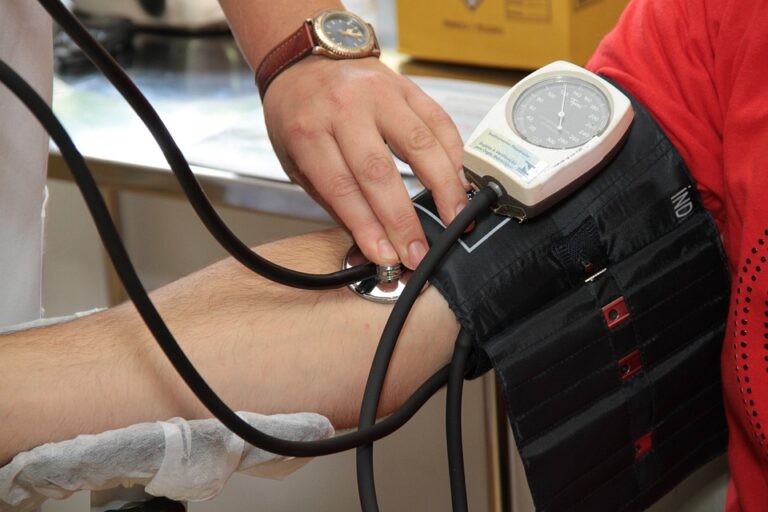
Using Flaxseed Meal for Heart Blood Pressure Management
Small seeds often hold large potential for your daily wellness habits. Many people look for simple ways to support their cardiovascular health through dietary shifts. Flaxseed meal provides a convenient entry point for those wanting to add fiber and fatty acids to their kitchen pantry.
The ground version of this seed allows your body to access nutrients that stay locked inside the hard outer shell of the whole seed. Integrating this ingredient into your morning routine serves as a gentle nudge toward better numbers. It remains one of the most accessible staples found in the grocery aisle.
Does flaxseed meal for heart blood pressure support work? Adding about three tablespoons of ground flaxseed to your daily diet may help reduce systolic and diastolic readings. Research from the National Institutes of Health suggests that regular consumption helps maintain vascular health over time.
Key Takeaways
- Daily intake of thirty grams of milled flaxseed shows a reduction of approximately 10 mmHg in systolic numbers over twelve weeks.
- The high concentration of alpha linolenic acid in these seeds supports arterial flexibility and resting flow.
- Ground flax meal provides roughly three grams of fiber per tablespoon which aids in lipid profile regulation.
I noticed that swapping my processed cereal for ground flax and oats helped my morning readings stabilize within three months of consistent use.
Understanding The Nutritional Profile Of Ground Seeds
The tiny brown or golden speck holds a dense concentration of beneficial compounds. These seeds provide a unique combination of plant based fats and dietary roughage. Most grocery stores carry them in the baking or organic section.
Alpha Linolenic Acid Content
This specific fat belongs to the omega three family. It acts as a structural component for the walls of your arteries. Maintaining healthy walls allows for smoother flow and lower resistance.
Fiber And Lipid Interaction
Soluble fiber acts like a sponge in your digestive tract. It binds to substances that interfere with healthy lipid levels. Regular consumption helps keep these markers in a range that supports overall vitality.
Calculating Your Daily Intake For Results
Consistency matters more than high doses taken sporadically. Most studies suggest a specific range to see tangible movement in your personal metrics. You can calculate your intake based on a standard tablespoon measurement.
If you weigh approximately one hundred fifty pounds, two to three tablespoons daily usually provides the necessary nutrient density. This amount balances the fiber load with your digestive capacity. Monitor how your body feels during the first week of adoption.
| Measurement | Fiber Content | Omega Three Value |
| One Tablespoon | 2 Grams | 1.5 Grams |
| Two Tablespoons | 4 Grams | 3.0 Grams |
| Three Tablespoons | 6 Grams | 4.5 Grams |
Incorporating Milled Seeds Into Daily Meals
Raw seeds often pass through the body without releasing their inner oils. Grinding them ensures you absorb the active ingredients. You can prepare a batch at home using a standard coffee grinder.
- Morning Oatmeal: Stir two tablespoons into your warm bowl of porridge after cooking.
- Smoothie Blends: Add a scoop to your frozen berry and spinach drink for a thick texture.
- Yogurt Topping: Sprinkle onto greek yogurt along with fresh fruit for a balanced afternoon snack.
The Biological Interaction With Vascular Walls
Your arteries respond to the foods you choose every day. Certain compounds found in ground seeds assist in keeping these vessels supple. Rigid vessels often contribute to higher pressure readings during rest.
The Role Of Lignans
These natural compounds possess qualities that support healthy circulation. They function as partners to the fats found within the plant. Researchers study these elements for their role in long term maintenance of the cardiovascular system.
Hydration And Fiber Synergy
Fiber requires water to move through your system. Drink plenty of clear fluids throughout the day when adding more seeds to your diet. This prevents digestive discomfort and keeps your internal systems functioning smoothly.
Tracking Your Progress Over Time
Use a simple notebook or a digital app to record your readings at the same time each day. Morning readings taken before coffee often yield the most accurate baseline. Look for trends over a full month rather than daily fluctuations.
According to findings from the U.S. National Library of Medicine, patience is essential when tracking dietary changes. Small shifts in your lifestyle often reflect in your data after eight to twelve weeks. Stay steady with your new habit.
Storage And Freshness Requirements
Ground seeds contain oils that can turn if left in a warm pantry. Oxidation happens quickly when the protective shell is broken. Always store your milled product in a dark, cool place.
- Refrigeration: Keep your ground jar in the fridge to maintain the integrity of the delicate oils.
- Freezing: For long term storage, place the meal in an airtight bag inside the freezer.
- Visual Check: If the meal smells like old paint or sour oil, discard it immediately.
Addressing Potential Digestive Changes
Adding fiber to your diet can cause temporary bloating. Your system needs time to adjust to the higher volume of plant material. Start with a small amount and increase it gradually.
Begin with one teaspoon per day for the first three days. Move up to one tablespoon if your stomach handles it well. Listen to your body and adjust the speed of the increase as needed.
Common Pitfalls To Avoid
Many people fail because they buy pre ground packets that have sat on a shelf for months. The best results come from fresh grinding at home. Quality matters when you want specific health outcomes.
- Buying Pre Ground: These often lack the potency of fresh seeds due to exposure to light and air.
- Neglecting Water: Higher fiber intake demands more hydration to keep your digestion on track.
- Inconsistency: Missing several days in a row resets the progress your body makes toward healthy vessel function.
Frequently Asked Questions
Can I heat the ground seeds in my baking?
You can add them to muffins or breads, but the heat may degrade some of the delicate omega three oils. It remains better to sprinkle the meal on food after the cooking process is complete.
By keeping the seeds raw, you preserve the full nutrient profile intended by nature. Sprinkle them on cold cereal or stir them into warm soup just before serving.
Do I need to soak the seeds before eating?
Soaking is not required when you use a ground product. The mechanical breakdown of the seed during grinding makes the nutrients bioavailable for your system.
If you prefer a softer texture in your smoothies, you can let the meal sit in liquid for five minutes. This allows the fiber to soften and creates a thicker, more palatable consistency.
Are there specific types of seeds to choose?
Golden and brown varieties offer similar nutritional profiles for your heart. Choose whichever type is fresher and more readily available in your local area.
Look for packages that are kept in a cool, dark area of the store. A reputable brand often lists the harvest date or a clear expiration window on the back of the bag.
Can children or seniors use this dietary addition?
Most healthy adults can enjoy these seeds as part of a balanced diet. Seniors often find the added fiber beneficial for regular digestion and healthy lipid maintenance.
As with any concentrated food source, speak with your primary care provider if you have existing health conditions or take specific daily medications. They can confirm if this addition aligns with your current wellness plan.
Is there a limit to how much I should consume?
More is not always better when it comes to concentrated fiber and plant oils. Three tablespoons per day provides an effective amount for most individuals without overwhelming the digestive tract.
Exceeding this amount may lead to discomfort or interfere with the absorption of other nutrients. Stick to the recommended range to achieve consistent results over several months.
The Bottom Line
Using flaxseed meal for heart blood pressure management represents a simple and natural strategy for those seeking better cardiovascular health. By grinding your own seeds and adding them to daily meals, you provide your body with the fiber and healthy fats needed for supple arteries. Consistent habits and clear tracking lead to the best outcomes. Consult a licensed healthcare provider before starting any new wellness routine.
This information is for educational guidance only. It is not intended for those with specific medical disorders, women who are pregnant, or individuals taking blood thinning medication. Consult a licensed healthcare provider before starting any new wellness routine.
Get Your FREE Natural Health Guide!
Subscribe now and receive our exclusive ebook packed with natural health tips, practical wellness advice, and easy lifestyle changes, delivered straight to your inbox.