How To Increase Muscle Protein Synthesis Naturally
Your body remains in a constant state of flux. It breaks down old tissues and builds new ones throughout your waking hours. This process dictates how well you recover from movement and how your frame changes over time.
Many people struggle to see results because they view physical health as a single event. True progress comes from steady habits that manage these internal repairs. You possess more control over these biological adjustments than you realize.
To increase muscle protein synthesis naturally, prioritize consuming high quality amino acids at every meal while ensuring your total daily caloric needs are met. Spreading your intake across four feedings per day ensures a constant supply of nutrients for your recovery cycles.
Key Takeaways
- Aim for 20 to 40 grams of high quality protein per meal to trigger the necessary response for tissue repair.
- Resistance training serves as the primary stimulus, requiring a weekly volume of 10 to 20 sets per muscle group.
- Sleeping between 7 and 9 hours per night allows your endocrine system to manage the hormonal balance required for tissue growth.
I observed that my clients who moved their protein intake to the morning hours felt more satiated and recovered faster from their evening workouts.
Understanding The Foundations Of Growth
Building tissue involves a delicate balance of signals within your cells. Your system checks for two main things before starting the work. It looks for available building blocks and a reason to use them.
This biological path relies on leucine, a specific amino acid found in most animal products. Leucine acts like a light switch for your internal repair pathways. Without this trigger, your body simply maintains the status quo instead of adding new mass.
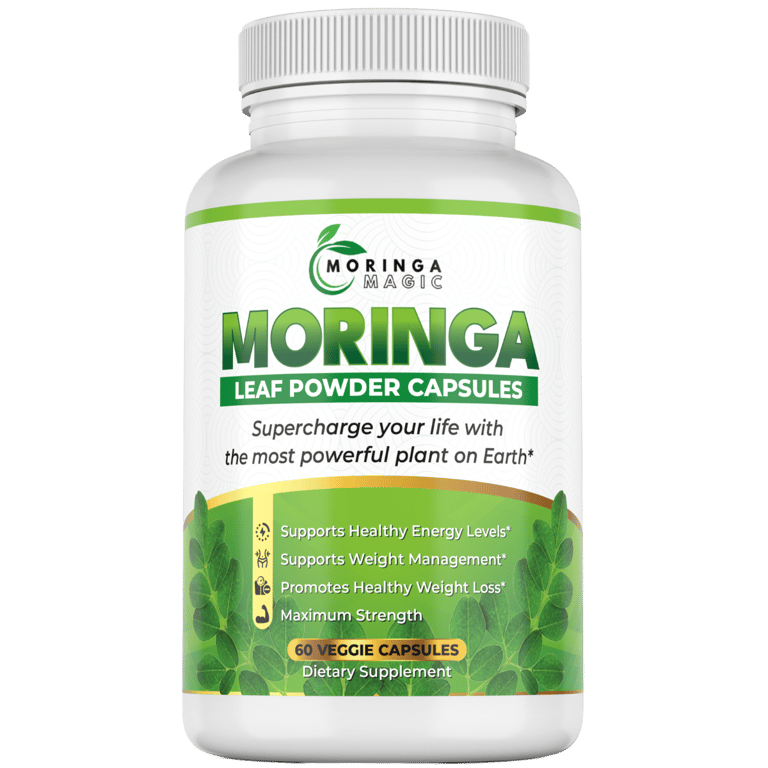
Moringa Magic™ Plant-Based Routine
- Highly bioavailable, plant-based routine designed to provide foundational nutritional support
- Helps your body optimize daily nutrient absorption and address hidden nutrient gaps
- Manufactured in a cGMP-compliant, FDA-registered facility without heavy stimulants
The Role Of Essential Amino Acids
Your body cannot produce nine essential amino acids on its own. You must ingest these through your diet to support daily life functions. Research from the National Institutes of Health highlights the importance of these building blocks for overall metabolic function.
These components travel through your blood to waiting tissues. Once they arrive, they assemble into strands that form the structure of your muscles. Eating a diverse range of sources ensures you receive every needed piece of the puzzle.
Why Frequency Matters For Results
Think of your muscles like a construction site that only accepts shipments at specific intervals. If you dump all your materials in one pile at dinner, you leave the site empty for the rest of the day. Consistent delivery allows the builders to work steadily.
Spreading your intake every four hours keeps the system primed. This method prevents long gaps where your body might rely on breaking down its own stores for fuel. It provides a steady flow rather than a feast and famine cycle.
Movement Stimulus And Mechanical Tension
You cannot build tissue simply by eating more calories. You must provide a clear reason for your body to invest energy into new structures. This happens through the mechanical stress of lifting weights or moving your body against gravity.
When you place demand on your tissues, you create tiny areas of disruption. Your body notices these spots and targets them for reinforcement during your rest periods. This specific cycle defines how you develop strength over time.
Choosing Your Resistance Method
You have many ways to create tension. Bodyweight training, resistance bands, and traditional weights all get the job done. The goal is to choose a method that feels challenging by the final repetition of your set.
Focus on slow, controlled movements. Swinging weights or using momentum removes the burden from the fibers you want to influence. Quality of movement outweighs the total amount of weight on the bar.
Managing Recovery Intervals
Rest days are not signs of laziness. They represent the active phase of your growth period. Your body handles the heavy work while you sleep or take a walk.
Pushing too hard without rest forces your body into a state of depletion. You stop making gains and eventually move backward. Balance your effort with enough downtime to allow for full recovery.
The Arithmetic Of Your Intake
Calculation gives you a clear target for your daily needs. Most active people thrive when they consume between 0.8 and 1 gram of protein per pound of body weight. Use this table to visualize your daily targets based on your current weight.
| Body Weight (lbs) | Daily Protein Goal (grams) | Meals Per Day |
|---|---|---|
| 150 | 120 to 150 | 4 |
| 180 | 144 to 180 | 4 |
| 200 | 160 to 200 | 4 |
If you weigh 150 pounds, aim for 30 to 35 grams of protein at each of your four daily meals. This distribution makes hitting your total target feel simple. It also keeps your energy levels stable from morning until evening.
Nutrient Timing And Insulin Sensitivity
Many myths exist about eating immediately after your training session. You do not need to chug a shake in the locker room. Your body remains receptive to nutrients for several hours after you move.
Focus on your meal quality over the exact minute you eat. A balanced plate with fiber, healthy fats, and protein serves you better than a fast sugar hit. Stable blood glucose levels support a healthier internal environment for long term change.
The Impact Of Quality Sleep
Your endocrine system regulates your internal repair cycles primarily while you sleep. Lack of shut eye raises stress markers that interfere with your progress. Data from the Centers for Disease Control shows how sleep quality influences your overall physical recovery.
Deep sleep phases provide the hormones needed for cellular repair. If you cut your nights short, you miss this window. You wake up feeling less prepared for your next training session.
Hydration And Cellular Function
Water is the medium where every chemical reaction in your body happens. Even mild dehydration slows down your metabolic efficiency. You need enough fluid to transport amino acids and waste products through your system.
Drink throughout the day rather than chugging a gallon at once. Your kidneys and cells work better with steady intake. A clear indicator of success is the color of your urine, which should remain pale yellow.
The Role Of Micronutrients
Vitamins and minerals act as the sparks for your internal engine. You can eat all the protein in the world, but it will not help if you lack basic cofactors. Magnesium, zinc, and Vitamin D are key players in your hormonal health.
According to the National Institutes of Health, magnesium supports hundreds of processes in your body. Include dark leafy greens, nuts, and seeds in your rotation. These small additions provide the missing links for your metabolic success.
Frequently Asked Questions
Do I need to eat extra calories to gain mass?
You need a small surplus of energy to support the building of new tissue. When you eat more than your body uses for daily activity, you provide the reserve fuel needed for building structures.
Aim for a slight increase of 200 to 300 calories above your maintenance level to encourage growth. This small amount prevents unwanted weight gain while giving your body the signal that resources are abundant enough for expansion.
Can I get enough protein from plants alone?
Plants provide plenty of protein, but you must be mindful of variety. Many plant sources lack specific amino acids in the right ratios compared to animal products.
Combine different sources throughout the day, like beans, grains, and soy. This approach ensures you receive a full profile of amino acids. Focus on volume, as you often need to eat a larger physical portion of plant foods to match the protein density of meat or eggs.
What happens if I skip a meal?
Missing a single meal will not undo your progress. Your body is resilient and manages nutrient stores well over a 24 hour period.
The problem begins when skipping meals becomes a consistent habit. If you constantly ignore your hunger signals, you provide fewer opportunities for your system to repair. Focus on getting back to your routine at the next available chance.
Does age affect how I should train?
Age brings changes to how your body processes protein and responds to tension. You may find that you need slightly more protein and a longer recovery time as the years pass.
Prioritize high quality movement and consistent nutrition regardless of your stage of life. The fundamental biology remains the same. Your body simply requires a bit more focus on joint health and mobility to keep the work moving forward.
Is it necessary to use supplements for better results?
Supplements are tools for convenience, not requirements for success. You can achieve all your goals through whole food sources if you plan your meals effectively.
If you find yourself busy or unable to prepare full meals, a quality protein powder helps bridge the gap. View them as a backup plan rather than the main source of your nutrition. Real food offers a wider spectrum of nutrients that powders simply cannot replicate.
The Bottom Line
To increase muscle protein synthesis naturally, look at your lifestyle as a sum of small, consistent choices. Eat enough high quality protein, train with intensity, and sleep well. These pillars create the ideal environment for your body to flourish. Avoid overcomplicating the science and stick to the basics of good food and movement. Consult a licensed healthcare provider before starting any new wellness routine.
Get Your FREE Natural Health Guide!
Subscribe now and receive our exclusive ebook packed with natural health tips, practical wellness advice, and easy lifestyle changes, delivered straight to your inbox.