Why Professional Cleanings Tackle Persistent Dental Calculus
You brush your teeth every morning and every night with care. Despite your diligence, some rough patches often remain near the gum line. These deposits build up over time and create a shield that standard bristles cannot remove.
Many people mistake these hardened mineral patches for simple stains or food particles. They represent a mineralized layer that anchors itself firmly to your enamel. Professional tools provide the only reliable way to break these bonds without damaging the surface of your teeth.
Dental calculus is a mineralized layer of hardened plaque that accumulates on teeth and requires professional removal tools to dislodge. These deposits form when saliva minerals react with leftover bacteria, creating a substance that bonds to the tooth surface. Individuals typically require professional scaling services every six months to maintain oral hygiene and prevent gum irritation.
Key Takeaways
- Mineralized plaque deposits harden within 24 to 72 hours if left on the surface.
- Roughly 60 percent of adults carry some level of hardened oral deposits by age 30.
- Professional scaling tools operate at 25,000 to 50,000 vibrations per second to shatter mineral bonds.
I noticed after three years of consistent six month cleanings that my gum sensitivity dropped significantly because the irritants were removed regularly.
The Formation Process Of Hardened Oral Deposits
Oral biology relies on a delicate balance of minerals found in your saliva. Calcium and phosphate ions constantly wash over your teeth to support the strength of your enamel. Sometimes these minerals settle in areas where your toothbrush cannot reach.
The Role Of Biofilms
Bacteria naturally live in your mouth and form thin, sticky films on your teeth. These communities gather nutrients from the foods you consume throughout the day. When this film stays on the teeth, it traps minerals from your saliva, which hardens the layer into a calcified structure.
Surface Texture And Adhesion
Hardened deposits possess a porous surface structure that acts like a sponge for more bacteria. Research from the National Institutes of Health indicates that this rough texture encourages further accumulation. Once a small amount sticks, the patch grows at a faster rate than the initial buildup.
Professional Tools For Effective Removal
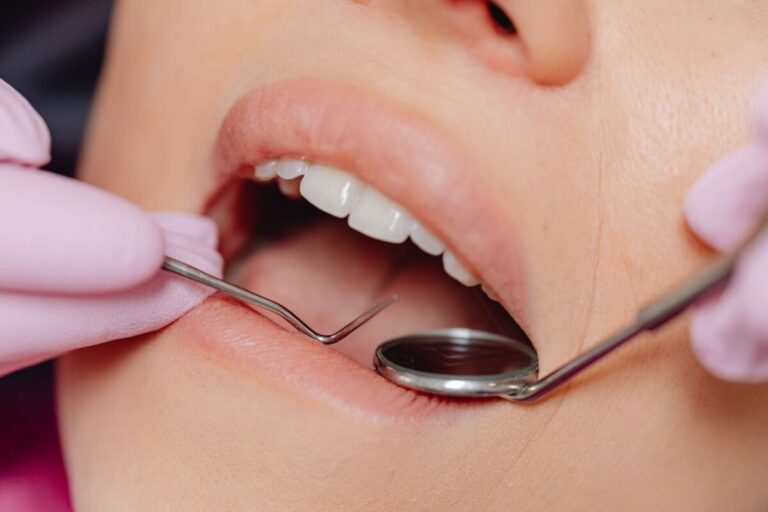
Manual brushing handles the soft film that forms after meals. Hardened mineral crusts demand specialized instruments that utilize physical energy to detach the material. Dental professionals use vibrating metal tips that pulse to disrupt the molecular structure of the deposits.
Ultrasonic Scaling Mechanisms
These devices use high frequency sound waves to shake the deposit loose. Water flows through the tip to flush away the debris while keeping the area cool. The water also creates micro bubbles that assist in lifting the crust off the tooth surface.
Hand Scaler Precision
Manual tools allow the person performing the cleaning to feel the density of the mineralized patch. By using a scraping motion at specific angles, they can lift the buildup without scratching the underlying tooth. This tactile feedback ensures that sensitive areas receive gentle care while remaining clean.
Comparing Cleaning Methods
| Method | Primary Benefit | Frequency |
|---|---|---|
| Home Brushing | Removes loose plaque | Daily |
| Professional Scaling | Shatters mineral crusts | Bi-annually |
The Impact Of Saliva Composition
Your saliva acts as a natural cleanser, but its mineral content varies from person to person. Those with high concentrations of calcium and phosphate may notice faster accumulation of hardened patches. Hydration levels also change how effectively saliva neutralizes acids in the mouth.
Dietary Influences
Sugary and acidic foods alter the environment of your mouth. Frequent consumption of these items provides fuel for the bacteria that facilitate mineral storage. Replacing these items with crunchy vegetables helps naturally scrub the tooth surfaces.
Mineralization Rates
Studies found at the National Library of Medicine show that pH levels in saliva significantly affect how fast minerals move into the plaque matrix. Maintaining a neutral pH helps slow the transition from soft film to hard deposit. Drinking water throughout the day helps keep the oral environment balanced.
Calculations Of Mineral Accumulation
Consider a hypothetical scenario where an individual misses one surface area of a tooth during their nightly routine. If a patch of plaque measures 2 square millimeters, the mineral accumulation follows a predictable path.
- Day 1: The soft film begins to absorb calcium ions from the saliva.
- Day 3: The matrix hardens into a structure that a standard toothbrush cannot displace.
- Day 180: A professional cleaning removes the accumulation, preventing the layer from growing to 10 square millimeters.
Signs You Require Professional Assistance
Visual inspection with a mirror may reveal small yellow or brown spots near the gum line. These patches often feel rough to the touch when you run your tongue over them. Discomfort when brushing or flossing indicates that the buildup might be pressing against sensitive tissue.
Gum Tissue Sensitivity
When hardened deposits sit near the gums, the tissue may appear puffy or bright red. This occurs because the bacteria within the crust release toxins that trigger a local response. Removing the source of the irritation allows the tissue to settle back into a healthy state.
Breath Quality Changes
Bacteria trapped within the porous structure of hardened deposits produce compounds that cause unpleasant odors. No amount of mouthwash will resolve this issue if the source remains on the teeth. Professional removal eliminates the bacterial housing, which often improves breath quality immediately.
Habits To Slow Future Buildup
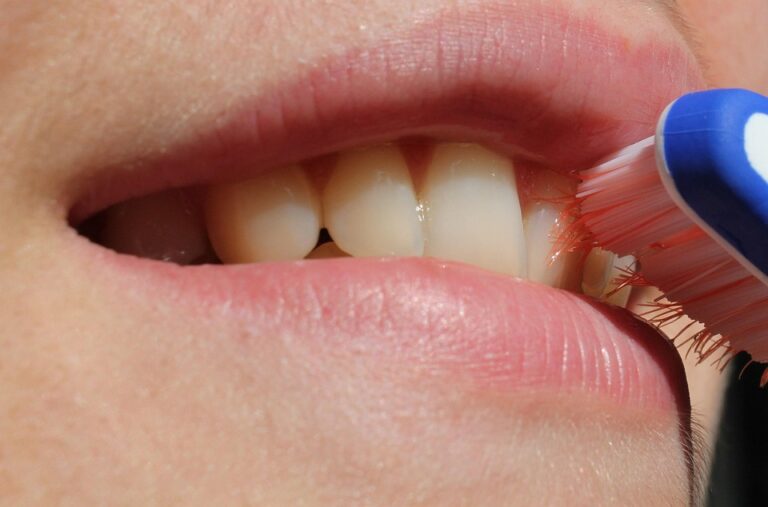
Daily routines serve as the first line of defense against mineral accumulation. Focus on the areas where teeth meet the gum line to disrupt the formation of new films. A structured approach ensures that you cover every surface of your mouth.
- Electric Toothbrush Usage: These devices provide thousands of strokes per minute, which is more effective than manual motion.
- Interdental Cleaning: Using string or small brushes between teeth prevents accumulation in the tightest spaces.
- Water Consumption: Frequent rinsing with water helps clear away debris and balances the minerals in your saliva.
Long Term Oral Health Strategies
Commitment to a routine schedule ensures that you address issues before they cause lasting problems. Data from the Centers for Disease Control supports regular visits as a method to maintain long term tissue integrity. Consistency serves as the best strategy for keeping the surfaces of your teeth smooth and clean.
Understanding Professional Intervals
Most individuals benefit from a checkup every six months. If your personal mineral density is high, you might benefit from more frequent visits. Discuss these patterns with your provider to set a schedule that matches your specific biology.
Technique Refinement
A few minutes spent refining your brushing technique saves hours of future effort. Hold your brush at a 45 degree angle to ensure the bristles touch the edge of the gums. Gentle circular motions work better than aggressive back and forth scrubbing.
Frequently Asked Questions
Does the removal of hardened deposits hurt?
The sensation during a professional cleaning is often described as a tickling or vibrating feeling. Most people find the process comfortable, though some areas may feel sensitive if the gums are already irritated. The use of water and gentle scaling tips keeps the tooth surface cool and minimizes discomfort.
Providers often adjust the intensity of the tools to match your sensitivity levels. If you experience sharp sensations, you can request manual instruments for specific areas. The goal remains to clear the surfaces while maintaining a calm and relaxed experience.
Can I remove these patches at home using DIY kits?
Using metal instruments at home is not recommended because the risk of damaging your enamel is significant. Proper scaling requires clear visibility and a specific angle that is difficult to achieve on your own teeth. Improper use of these tools can create microscopic scratches on the surface of your teeth, which actually encourages faster buildup in the future.
Professional tools are designed for safety and precision in the hands of trained individuals. Sticking to a standard brushing and flossing routine is the safest way to manage your oral health at home. Leave the removal of stubborn deposits to those with the right equipment and training.
Why does the hardened material come back so quickly?
The rate of buildup depends heavily on your saliva chemistry and the quality of your daily routine. If the environment in your mouth remains high in calcium or if you miss spots during brushing, the mineralization process restarts almost immediately. Bacteria quickly recolonize clean surfaces, starting the cycle over again.
Consistency with daily hygiene prevents the initial films from maturing into hardened crusts. Small shifts in your diet, such as reducing sugar, can also lower the speed at which these deposits form. Focus on the total surface area to keep the rate of accumulation low.
Are there specific foods that contribute to this problem?
Foods that are high in refined sugars and sticky starches provide the ideal environment for bacterial growth. These substances cling to the teeth and support the structure of the biofilms that eventually harden. Acidic drinks also temporarily soften the outer layer of the enamel, making it easier for bacteria to find a foothold.
Choosing crunchy, fibrous snacks like apples or carrots provides a natural scrubbing action. Increasing your water intake also helps wash away leftover particles and balances the minerals in your mouth. A diet focused on whole foods supports a more neutral pH and cleaner surfaces.
Is this process safe for those with crowns or bridges?
Professional cleaning is safe and necessary for those with restorative work like crowns or bridges. The edges where these materials meet your natural tooth can become areas where deposits gather. A professional uses specialized tips that are designed to clean around these boundaries without compromising the integrity of the restoration.
Regular maintenance ensures that your restorative work lasts longer by preventing irritation at the margins. Mention any dental work to your provider so they can adjust their approach accordingly. This proactive care helps keep the entire mouth healthy and stable.
The Bottom Line
Consistent professional care remains the most effective way to address persistent dental calculus. While daily habits prevent the early stages of buildup, the hardened layers require mechanical removal to ensure your teeth remain healthy. Consult a licensed healthcare provider before starting any new wellness routine. Individuals with severe gum sensitivity or underlying health conditions should speak with a professional about specialized care options.
Get Your FREE Natural Health Guide!
Subscribe now and receive our exclusive ebook packed with natural health tips, practical wellness advice, and easy lifestyle changes, delivered straight to your inbox.