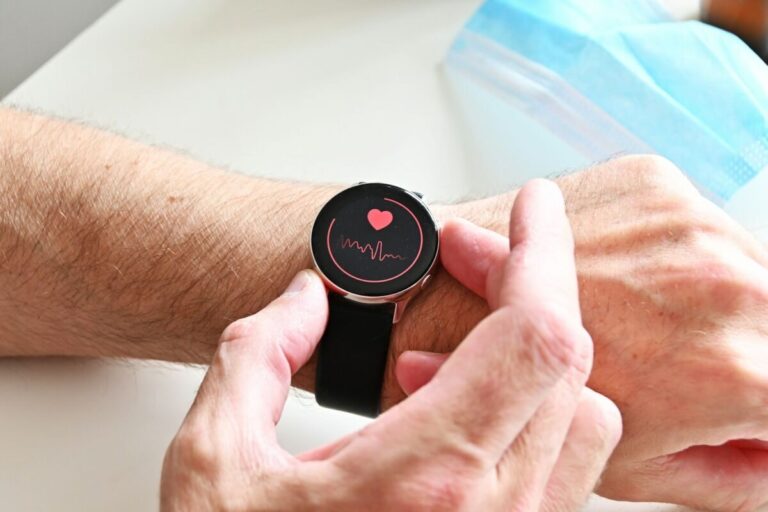
Understanding Subtle Signs Of Arterial Stiffness In Your 50s
The human vascular system undergoes change as we navigate our fifth decade of life. Arteries that once possessed the elasticity of a rubber band slowly begin to lose their supple nature. This shift often happens without obvious symptoms until the system experiences enough strain to signal distress.
Noticing these internal changes requires a keen awareness of how your body reacts to daily demands. You might feel winded after a short flight of stairs or notice your resting pulse remains higher than it used to be. These indicators act as messengers from your circulatory system about the state of your vessel health.
Common signs of arterial stiffness in your 50s include unexplained shortness of breath, persistent cold hands or feet, and a noticeable increase in resting blood pressure readings. These indicators arise when vessel walls lose their ability to expand and contract efficiently during each heartbeat.
Key Takeaways
- Research by the National Institute on Aging confirms that vessel walls typically thicken and become less flexible as people move past age 50.
- Pulse wave velocity serves as a standard measurement for vessel health, with higher speeds indicating a potential decline in vascular elasticity.
- Studies from the National Heart Lung indicate that maintaining a consistent exercise routine helps preserve vessel wall flexibility throughout adulthood.
In my decade spent observing wellness trends, I see many fifty year olds ignore subtle fatigue, assuming it is just a normal part of aging.
Eight Physical Indicators Of Declining Vessel Elasticity
- Unusual Fatigue During Activity: You may notice that standard movements like walking uphill or carrying groceries cause more breathlessness than usual. This happens because the heart works harder to push blood through less compliant pathways.
- Cold Extremities: Poor circulation often manifests as chronically cold fingers or toes even in warm environments. Your body restricts flow to the periphery when the main transit lines face resistance.
- Persistent Pressure Spikes: Readings that remain consistently above the target range during routine home checks suggest your vessels struggle to buffer the force of your blood.
- Dizziness Upon Standing: A quick change in posture might leave you feeling lightheaded. This indicates the circulatory system cannot adjust its tension fast enough to maintain steady flow to the brain.
- Skin Texture Changes: The lower legs or feet might appear shiny or thinner than they once were. This occurs when tissues receive less oxygen rich blood over a long duration.
- Slow Wound Healing: Small scrapes or cuts on your feet take longer to resolve because your body struggles to deliver the repair resources required for skin health.
- Frequent Muscle Cramps: Cramping in the calves during walking that resolves with rest often points to reduced flow in the legs.
- Cognitive Fog: If you find it hard to maintain focus or feel like your thoughts are sluggish, your brain might be asking for more consistent blood delivery.
Measuring The Impact Of Vascular Resistance
Understanding how your body handles pressure involves looking at the gap between systolic and diastolic numbers. This gap is known as pulse pressure. A wider gap often indicates that the main vessels in your chest have become less able to absorb the impact of each heart contraction.
The Math Of Vascular Pressure
Calculate your own pulse pressure by subtracting your bottom number from your top number. A result exceeding 50 points often serves as a signal to pay more attention to your daily habits. Consistent monitoring allows you to track these trends over several months rather than reacting to a single day of data.
Why Vessel Walls Matter
Arteries are lined with a delicate layer called the endothelium. This layer produces signals that tell your vessels to stay relaxed or to tighten up. When this lining faces chronic stress, it stops sending the right signals, leading to a permanent state of tension.
| Indicator | Optimal Range | Potential Concern |
|---|---|---|
| Pulse Pressure | 30 to 40 mm Hg | Above 50 mm Hg |
| Resting Heart Rate | 60 to 80 beats | Above 90 beats |
| Daily Activity | 30 minutes brisk | Sedentary routine |
Nutritional Support For Vascular Integrity
What you put on your plate influences the environment inside your vessels. Focus on foods rich in compounds that support the inner lining of your tubes. These natural helpers encourage the production of calming molecules that keep flow smooth.
The Role Of Plant Nutrients
Leafy greens contain nitrates that your body converts into nitric oxide. This simple molecule acts as a natural signal for your vessels to stay wide and relaxed. Including a variety of these greens daily keeps the internal environment favorable for flow.
Managing Sodium And Water
High salt intake forces your body to retain extra fluid, which adds physical volume to your circulatory system. This increased volume creates more work for your vessels. Balancing your mineral intake ensures your body maintains the right fluid levels without extra strain.
Movement Strategies To Maintain Suppleness
Physical activity acts as a pump for your entire system. It helps to clear out stagnant flow and encourages your vessels to flex throughout the day. You do not need to train like an athlete to see benefits.
Aerobic Consistency
Walking is the simplest way to encourage healthy vessel function. Aim for a pace that makes talking slightly difficult but not impossible. This level of effort pushes the walls of your vessels to stretch and rebound regularly.
Resistance Movements
Using your own body weight for strength work builds muscle that helps regulate blood glucose. Healthy glucose levels prevent the kind of internal environment that promotes vessel stiffening. Even two sessions per week provide significant support for your circulatory health.
The Impact Of Stress On Internal Tension
Your nervous system constantly communicates with your vessels. Chronic worry keeps your system in a state of high alert, which keeps your vessel walls tightened. Finding ways to lower your internal tempo directly influences how your vessels behave.
Breathing For Flow
Slow and rhythmic breathing signals your brain to lower the pressure inside your vessels. Spend five minutes each evening focusing on deep belly breaths. This practice acts as a reset button for your entire internal circulation.
Sleep And Recovery
During deep sleep, your body spends time repairing the inner linings of your vessels. A lack of restorative sleep leaves your system vulnerable to higher levels of daily stress. Prioritizing rest is a proactive way to maintain the structural integrity of your transit pathways.
Identifying Environmental Influences
The air you breathe and the toxins you encounter affect your vascular health. Pollutants often trigger an internal response that causes your vessels to constrict. Creating a clean environment at home gives your body a chance to recover from the stress of the outside world.
Air Quality At Home
Use air filters to remove dust and particles that force your immune system to work overtime. A quieter immune system means less inflammation, which keeps your vessels from reacting defensively. Clean air is a fundamental component of long term wellness.
Hydration Habits
Your blood volume depends on proper water intake. Dehydration makes your blood thicker, which increases the pressure required to move it through your system. Drink water consistently throughout the day to ensure optimal viscosity for your circulatory health.
Frequently Asked Questions
Can small lifestyle changes really influence the state of my vessels?
Small habits accumulate into meaningful results over the course of several months. By choosing foods that support your internal lining and moving your body regularly, you provide your system with the resources it needs to stay flexible. Consistency is the most important factor in maintaining healthy function as you move through your fifties.
Even minor adjustments to your daily rhythm create a different environment for your tissues. While you cannot change the passage of time, you can influence how your body responds to it. Taking ownership of these daily habits creates a foundation for continued health and vitality.
How does age affect the speed of blood moving through my body?
As we get older, the structural proteins in our vessels naturally change and lose some of their springiness. This reduction in elasticity means the pulse wave from your heart travels faster because the vessels cannot dampen the force as they once did. Faster pulse waves often indicate a decrease in the overall health of your arterial system.
When researchers look at vascular health studies, they often measure this speed to understand how well a person is aging internally. Keeping your vessels active and nourished helps manage these structural changes. Focusing on long term habits remains your best approach to slowing the pace of these natural shifts.
Is there a connection between my mood and my vessel health?
Yes, your emotional state directly impacts your circulatory system through the nervous system. When you experience stress, your body releases hormones that signal your vessels to constrict and your heart rate to increase. Living in a state of chronic high alert prevents your vessels from spending enough time in a relaxed state.
Engaging in calming activities helps interrupt these signals and encourages your vessels to open up. Over time, reducing your daily stress levels creates a more favorable environment for your heart and vessels to function well. This connection between the mind and the body is a fundamental aspect of your overall well-being.
Why do some people notice cold feet more as they hit their fifties?
Cold feet often result from the body prioritizing blood flow to vital organs during times of stress or reduced efficiency. If your vessels are not responding correctly to temperature changes or movement, the circulation to your extremities is usually the first to suffer. This is a common indicator that your circulatory system is working harder than it needs to.
Staying active and wearing appropriate layers helps manage this sensation, but it also serves as a hint to look at your overall cardiovascular habits. Maintaining a healthy weight and staying hydrated are simple ways to support better blood delivery to your toes. If this sensation happens frequently, use it as a prompt to evaluate your current wellness routine.
Do I need specialized equipment to track my vessel health?
You do not need fancy technology to keep an eye on your vascular function. Most people benefit from a basic, reliable blood pressure monitor used consistently at home. Tracking your morning and evening readings over several weeks provides a clear picture of how your system behaves under different conditions.
Focusing on the trends in your readings is more informative than looking at a single data point. Pay attention to how your body feels during activity and note if that changes from week to week. Using simple tools to monitor your progress helps you stay connected to your own physical needs.
The Bottom Line
Watching for the signs of arterial stiffness in your 50s requires paying attention to your daily energy, your blood pressure trends, and your body temperature. By focusing on consistent movement, proper hydration, and stress reduction, you support the natural elasticity of your circulatory system. Wellness in your fifth decade and beyond relies on these daily, manageable habits that keep your internal transit lines working efficiently. Consult a licensed healthcare provider before starting any new wellness routine. This guidance is for educational purposes only and is not intended for individuals with pre-existing heart conditions, those who are pregnant, or anyone currently under specialized medical care.
Get Your FREE Natural Health Guide!
Subscribe now and receive our exclusive ebook packed with natural health tips, practical wellness advice, and easy lifestyle changes, delivered straight to your inbox.