Dry Brushing for Hormone Lymph: Supporting Your Body’s Natural Rhythms
Many traditional wellness practices offer straightforward ways to enhance daily vitality. Dry brushing stands as a time-honored technique, valued for its simplicity and its potential to contribute to an overall sense of well-being.
This method involves gently stimulating the skin with a natural bristle brush. People incorporate it into their routines to invigorate the skin and support superficial circulation.
Exploring dry brushing for hormone lymph support involves understanding its general influence on the body’s feeling of balance and flow. It is a complementary practice within a holistic lifestyle.
A Historical Glimpse into Skin Stimulation Practices
The practice of skin brushing isn’t new; it has roots in various ancient cultures worldwide. Civilizations from the Greeks to the Japanese utilized forms of skin stimulation as part of their daily cleansing and wellness rituals.
Ayurveda, the traditional Indian system of medicine, includes a practice called “Garshana.” This involves using raw silk gloves or brushes to rub the skin. The intention is to promote a sense of vitality and energy.
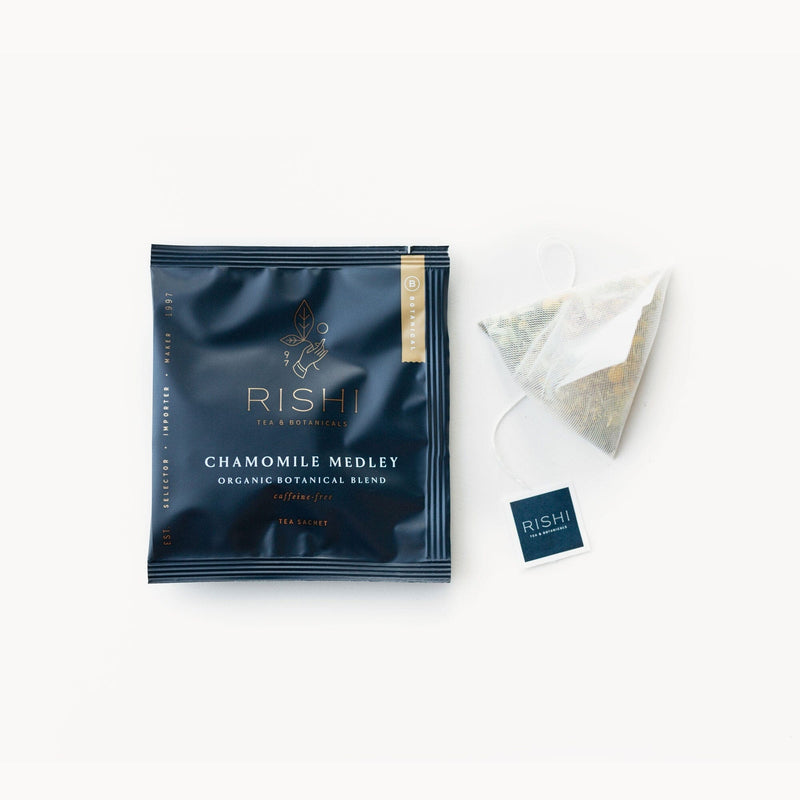
Rishi Chamomile Medley™ Botanical Blend
- Targeted botanical blend designed to work with your body's natural evening rhythms
- Supports a calm state of mind and consistent physical relaxation after a high-demand day
- Formulated for a smooth evening transition without relying on heavy synthetic sleep aids
Many cultures recognized the skin as an important organ, not just a protective barrier. They understood that engaging with the skin could influence feelings of overall health and vigor. These historical methods underscore a long-standing appreciation for skin care beyond mere hygiene.
The consistent thread across these traditions is the simple act of intentional touch and friction on the skin. This foundational principle forms the basis of modern dry brushing practices.
Understanding the Body’s Flow: The Lymphatic System in Wellness
The lymphatic system plays an integral role in maintaining fluid balance and supporting the body’s natural processes. It is a network of vessels, nodes, and organs that help manage interstitial fluid.
This system works alongside the circulatory system. It helps return fluid from the tissues back into the bloodstream. Many people recognize its importance for overall comfort and wellness.
Unlike the circulatory system, the lymphatic system doesn’t have a central pump like the heart. Its movement relies on muscle contractions and physical activity. General body movement helps facilitate its natural function.
A well-supported lymphatic system is often associated with a sense of internal cleanliness and smooth bodily function. People often seek ways to encourage this natural flow through various lifestyle choices.
- Primary Function: Manages fluid balance in tissues.
- Key Component: Network of vessels, nodes, and organs.
- Movement Driver: Relies on muscle contractions and physical activity.
The Dry Brushing Action
Dry brushing involves using a stiff, natural bristle brush on dry skin. The strokes are typically directed towards the heart, following the general path of lymphatic flow.
This physical action serves as a gentle exfoliant. It removes dead skin cells, which contributes to a smoother skin texture. Many people find the sensation invigorating and refreshing.
The light pressure and friction on the skin are thought to stimulate superficial circulation. This can contribute to a feeling of warmth and increased blood flow to the skin’s surface. It’s often described as a sensory awakening for the skin.
People often report feeling more energized after a dry brushing session. This sensation of invigoration can be a pleasant addition to a morning routine. It primes the body for the day ahead.
Recommended Protocol
Begin dry brushing on dry skin before showering. Use firm, long strokes, always moving towards the heart. Start at your feet and work your way up your legs, then brush your arms towards your chest. Brush your abdomen and back with circular motions or strokes towards the heart.
Integrating Dry Brushing for a Sense of Hormonal Balance
When people discuss dry brushing in relation to hormonal balance, the connection often lies in its indirect influences on overall well-being. Direct claims about dry brushing regulating hormones are not supported by evidence. Instead, the focus shifts to lifestyle factors that contribute to a balanced feeling within the body.
Many people find dry brushing to be a relaxing and self-care ritual. Stress reduction and relaxation are widely recognized as supportive elements for overall physiological balance. Incorporating calming practices can contribute to a more harmonious internal environment.
The invigorating sensation of dry brushing can also enhance feelings of energy and vitality. A general sense of physical well-being and consistent energy levels are often desired outcomes when people consider their body’s internal rhythms.
Furthermore, supporting the skin’s health through exfoliation contributes to a feeling of whole-body care. When individuals feel good about their skin and overall self-care routines, it can positively influence their mental state. This holistic approach is valuable.
- Key Connection: Indirect influence via stress reduction and well-being.
- Primary Benefit: Promotes relaxation and a sense of self-care.
- Contributes To: Enhanced feelings of energy and vitality.
Application Method
Consider incorporating dry brushing a few times a week as part of a broader wellness approach. Pair it with other supportive habits like sufficient hydration and regular movement to encourage a feeling of internal harmony.
Choosing the Right Tools and Technique
Selecting the appropriate dry brush is crucial for a comfortable and effective experience. Brushes vary in bristle stiffness, handle length, and overall design. Understanding these differences can help tailor the practice to individual needs.
Natural bristles are generally preferred for their exfoliating properties and how they feel on the skin. Look for brushes made with plant fibers like Tampico, or animal hair. These materials offer a balance of firmness and flexibility.
Handle length is another important consideration. A long handle allows you to reach areas like your back with ease. For more controlled application on limbs and the torso, a handheld brush with a strap might be more suitable. Some brushes even come with detachable handles.
The goal is to find a brush that feels comfortable to hold and use. It should provide a gentle but effective stimulation without causing irritation. Personal preference plays a significant role in this choice.
| Brush Type | Characteristics | Best For |
|---|---|---|
| Long-Handled Brush | Extended reach, usually natural bristles. | Reaching the back and shoulders; full body coverage. |
| Handheld Strap Brush | Compact, fits in hand, natural bristles. | Controlled pressure on limbs and torso; travel-friendly. |
| Face Brush (Soft Bristles) | Very soft bristles, smaller head. | Gentle exfoliation for delicate facial skin. |
Selection Guidance
When selecting a dry brush, assess the bristle firmness against your skin sensitivity. A brush that feels too abrasive can lead to discomfort, while one that is too soft may not provide adequate stimulation.
The Practice of Dry Brushing: Step by Step for Wellness
Adopting a consistent dry brushing routine involves more than just the physical act. It includes thoughtful preparation and an understanding of appropriate technique. This ensures a beneficial and enjoyable experience.
Start with completely dry skin. The best time is typically before a shower. This allows you to rinse off any exfoliated skin cells and follow with moisturizing. Your skin should be free of lotions or oils.
Use long, sweeping strokes. Always direct the brush towards your heart. This direction aligns with the general flow of lymph and circulation. Begin at your feet, moving up your legs. Then, brush your hands and arms towards your chest.
For your torso, use upward strokes on your abdomen and chest. On your back, use upward or circular motions, still aiming towards the heart. Apply light to medium pressure. The goal is a stimulating sensation, not harsh scrubbing.
The entire process typically takes about five to ten minutes. After brushing, take a shower to cleanse the skin. Following your shower, apply a nourishing body oil or moisturizer to hydrate your skin. This locks in moisture and keeps your skin feeling soft.
- Timing: Best on dry skin before showering.
- Direction: Always stroke towards the heart.
- Pressure: Light to medium, for stimulation not irritation.
Optimal Timing
Perform dry brushing in the morning to benefit from its invigorating effects. Many people find it a revitalizing way to start their day.
Common Misconceptions and Important Considerations
While dry brushing offers many perceived benefits for general wellness, it’s important to approach the practice with realistic expectations and an understanding of its limitations. Many myths surround its effects.
One common misconception is that dry brushing can “detoxify” the body. While it supports the skin’s natural exfoliation and superficial circulation, the body’s primary detoxification organs are the liver and kidneys. Dry brushing complements, but does not replace, these vital processes.
Another area of confusion relates to lymphatic drainage. Dry brushing can stimulate the skin and superficial lymphatic vessels. However, it does not provide the deep therapeutic lymphatic drainage offered by specialized manual lymphatic drainage techniques performed by trained professionals. It offers a general sense of support for fluid movement.
Skin sensitivity is a crucial consideration. Individuals with conditions like eczema, psoriasis, open wounds, or severe sunburn should avoid dry brushing in affected areas. The friction can exacerbate irritation and cause further damage. Always prioritize skin health.
The pressure applied during dry brushing also matters. Excessive force can scratch or damage the skin, leading to redness and irritation. A gentle touch is key. The skin should feel invigorated, not abraded.
Finally, dry brushing is a lifestyle tool, not a medical treatment. It does not cure diseases or directly fix physiological imbalances. It serves as a supportive practice within a broader wellness strategy. People with underlying conditions often work with a qualified healthcare professional for personalized guidance. This information is educational and not a substitute for medical advice.
- “Detox” Claims: Misleading; body’s organs handle primary detoxification.
- Lymphatic Drainage: Superficial stimulation, not deep therapeutic drainage.
- Skin Conditions: Avoid on sensitive, broken, or irritated skin.
- Pressure: Use light to medium pressure; avoid harsh scrubbing.
Safety Precaution
If you experience any discomfort or irritation, discontinue dry brushing immediately. Consult with a healthcare professional if skin reactions persist or if you have specific skin concerns. Research from the American Academy of Dermatology details skin care basics.
Beyond the Brush: Holistic Support for Lymph and Hormonal Well-Being
While dry brushing can be a valuable addition to a wellness routine, it functions best as part of a comprehensive approach. Supporting the lymphatic system and a sense of hormonal balance involves multiple interconnected lifestyle factors. Relying on a single practice limits potential benefits.
Hydration: Adequate water intake is fundamental for every bodily process. Water helps maintain fluid balance, which is essential for healthy circulation and supporting the body’s natural waste elimination pathways. Prioritizing consistent hydration is a simple yet powerful step.
Movement and Exercise: Physical activity is a primary driver for lymphatic flow. Muscle contractions during exercise help propel lymph through its vessels. Regular movement, from brisk walking to more vigorous activity, contributes significantly to overall vitality and can help people feel more comfortable moving.
Balanced Nutrition: A diet rich in whole, unprocessed foods provides the essential nutrients the body needs to function optimally. This includes a diverse array of fruits, vegetables, lean proteins, and healthy fats. Such nutrition supports general well-being, which in turn can contribute to a feeling of internal harmony.
Stress Management: Chronic stress can impact various bodily systems. Implementing stress-reducing practices like meditation, yoga, deep breathing, or spending time in nature is invaluable. These practices foster a sense of calm and balance within the body.
Quality Sleep: Restorative sleep is crucial for cellular repair and overall physiological regeneration. During sleep, the body performs essential maintenance tasks. Ensuring sufficient, good quality sleep supports every system, including those involved in fluid balance and general bodily rhythms.
By combining dry brushing with these foundational lifestyle habits, individuals can build a robust framework for supporting their body’s natural rhythms. It promotes a feeling of comprehensive well-being. Each element reinforces the others for a synergistic effect.
- Core Pillars: Hydration, movement, nutrition, stress management, sleep.
- Synergy: Each practice enhances the others for amplified benefits.
- Goal: Comprehensive support for overall body vitality and balance.
Integrative Wellness
Consider evaluating your daily habits across these areas. Small, consistent changes can lead to significant improvements in how you feel and function day to day.
Frequently Asked Questions
Does dry brushing directly “detox” my body?
No, dry brushing does not directly “detoxify” your body. The liver and kidneys are the primary organs responsible for detoxification processes. Dry brushing supports the skin’s natural exfoliation and promotes superficial circulation, contributing to a feeling of invigoration.
How often should I dry brush?
Most people find that dry brushing 2-3 times a week is sufficient. If you have sensitive skin, you might start with once a week. You can adjust the frequency based on your skin’s response and how you feel.
Can dry brushing help with cellulite?
Dry brushing can temporarily improve the appearance of skin texture due to exfoliation and increased superficial circulation. It does not, however, eliminate cellulite, which is a structural issue related to fat deposits and connective tissue beneath the skin.
What should I do after dry brushing?
After dry brushing, it is recommended to take a shower to rinse off the exfoliated skin cells. Following your shower, apply a nourishing body oil or moisturizer to hydrate your skin and keep it feeling soft and smooth.
The Bottom Line
Dry brushing is a simple, age-old practice that can significantly contribute to a sense of personal well-being and invigoration. While not a medical treatment or a direct fix for complex physiological processes like hormone regulation, it serves as a valuable tool for supporting the body’s natural rhythms and enhancing skin health. Its gentle stimulation promotes a feeling of vitality and relaxation, making it a powerful component of a holistic lifestyle.
Your Next Step
Incorporate dry brushing into your routine a few times a week, paying close attention to your body’s response, and pair it with consistent hydration and regular movement for amplified benefits.
Get Your FREE Natural Health Guide!
Subscribe now and receive our exclusive ebook packed with natural health tips, practical wellness advice, and easy lifestyle changes, delivered straight to your inbox.