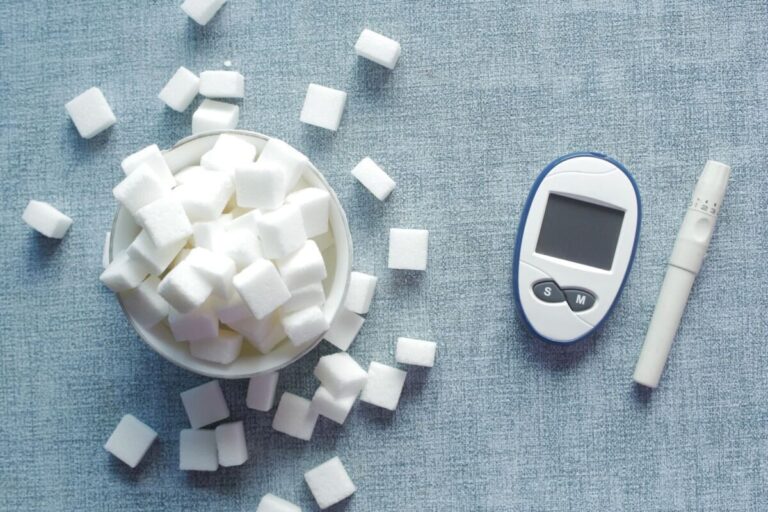

Steel Cut Oats and their Role in Supporting Blood Sugar Management
Navigating daily food choices with an eye toward metabolic well-being often involves selecting ingredients that support a balanced internal environment. Steel cut oats stand out as a whole grain option frequently discussed for its potential influence on how the body manages glucose.
Unlike their more processed counterparts, steel cut oats retain much of their original structure, contributing to a slower digestion process. This characteristic is particularly relevant for individuals interested in supporting consistent energy levels throughout the day.
Understanding the distinctions between various oat forms can clarify why steel cut oats for blood sugar support hold a specific place in discussions about dietary approaches. The way food is processed directly impacts how quickly its components are assimilated by the body.
The Unique Structure of Steel Cut Oats
Steel cut oats, often called Irish oats, originate from oat groats that have been cut into two or three pieces by steel blades. This minimal processing preserves the integrity of the oat kernel, leaving a denser, chewier texture when cooked.
This structural characteristic is key to their slower breakdown during digestion. The body expends more effort to access the starch encapsulated within the larger oat fragments, influencing the rate at which glucose enters the bloodstream.
Rolled oats, in contrast, are steamed and flattened, which alters their physical form and surface area. Instant oats undergo even more processing, including pre-cooking and rolling into very thin flakes, resulting in rapid cooking times and quicker digestion.
- Processing Method: Groats cut into pieces.
- Physical Form: Coarse, irregular fragments.
- Digestion Rate: Notably slower.
Optimal Preparation Method
Preparing steel cut oats involves simmering them with water or a preferred liquid until tender, which often takes longer than other oat varieties.
Understanding the Glycemic Index and Load
The glycemic index (GI) is a system that ranks carbohydrate-containing foods by how much they raise blood sugar after eating. Foods with a lower GI typically lead to a more gradual rise in glucose levels, which can be a beneficial consideration for metabolic health.
The glycemic load (GL) offers a more comprehensive picture. It accounts for both the GI value of a food and the quantity of carbohydrates consumed in a typical serving. A food might have a high GI, but if a standard serving contains very few carbohydrates, its GL could be low.
Steel cut oats generally have a lower GI and GL compared to highly processed cereals or even other oat types. This is attributed to their intact fiber content and slower digestion, which helps to mitigate rapid glucose spikes after meals.
- Glycemic Index (GI): Measures blood sugar rise after food consumption.
- Glycemic Load (GL): Considers both GI and carbohydrate quantity per serving.
- Oat Profile: Steel cut oats typically exhibit lower GI and GL values.
Dietary Consideration
Individuals exploring dietary strategies for blood sugar support often consider foods with a lower glycemic impact.
Fiber’s Crucial Contribution: Beta-Glucans
Oats are particularly rich in a soluble fiber called beta-glucan. This specific type of fiber forms a viscous gel when mixed with water in the digestive tract, a property that has multiple implications for metabolic health.
The gel created by beta-glucan can slow the movement of food through the stomach and small intestine. This action moderates the absorption of glucose into the bloodstream, contributing to a more even blood sugar response after eating.
Beyond its direct influence on glucose absorption, beta-glucan is also a type of prebiotic fiber. It can be fermented by beneficial gut bacteria, supporting a healthy gut microbiome, which is increasingly recognized for its broad impact on overall well-being.
- Key Compound: Beta-glucan, a soluble fiber.
- Primary Mechanism: Forms a viscous gel in the digestive system.
- Metabolic Effect: Slows glucose absorption, supports gut flora.
Incorporation Strategy
Making steel cut oats a regular part of one’s breakfast routine can be a straightforward way to increase beta-glucan intake.
Comparing Oat Varieties
Understanding the differences between oat types goes beyond just cooking time; it delves into how their processing impacts their nutritional delivery. The intactness of the oat groat directly influences its digestion and subsequent effect on blood sugar.
Rolled oats, also known as old-fashioned oats, are steamed and then flattened into flakes. This process makes them cook faster than steel cut oats and slightly reduces their chewing resistance, leading to a moderately quicker release of starches.
Instant oats are the most processed, pre-cooked and then dried. Their fine texture means they hydrate almost immediately, making them convenient but also prone to a faster digestive breakdown compared to other oat varieties.
| Oat Type | Processing Level | Digestive Speed | Texture |
|---|---|---|---|
| Steel Cut Oats | Minimal (cut groats) | Slowest | Chewy, dense |
| Rolled Oats | Steamed, flattened | Moderate | Softer, flakes |
| Instant Oats | Pre-cooked, dried, flattened | Fastest | Very soft, mushy |
Selection Guidance
Choosing steel cut oats prioritizes a slower, more sustained nutrient release, aligning with strategies for blood sugar support.
The Synergistic Power of Protein and Healthy Fats
While steel cut oats provide a foundational carbohydrate source for blood sugar support, pairing them with adequate protein and healthy fats can significantly enhance their metabolic benefits. This combination helps create a more balanced meal.
Protein, in particular, slows gastric emptying and can help to temper the overall glycemic response of a meal. Including sources like nuts, seeds, or a dollop of Greek yogurt with oats can contribute to extended satiety and more stable glucose levels.
Healthy fats, found in ingredients such as chia seeds, flax seeds, or a small amount of avocado, also contribute to satiety and slow digestion. They do not directly impact blood sugar in the same way carbohydrates do, but they can support the overall metabolic balance of a meal.
- Protein Role: Slows digestion, increases satiety.
- Healthy Fats Role: Further slows digestion, supports overall metabolic balance.
- Meal Impact: Contributes to more sustained energy and moderated glucose response.
Balanced Meal Construction
Consider incorporating a source of lean protein and beneficial fats alongside steel cut oats for a well-rounded breakfast.
Navigating Common Preparation Pitfalls
The intrinsic benefits of steel cut oats can be inadvertently diminished by certain preparation habits. One prevalent issue involves the addition of excessive sugars or highly refined sweeteners, which can counteract the slow-release properties of the oats.
Many commercially available oat preparations, especially instant varieties, often contain added sugars, artificial flavors, and preservatives. These additives can lead to quicker blood sugar surges, negating the advantages of choosing a whole grain.
Portion control also plays a vital role. Even a highly beneficial food, when consumed in very large quantities, can influence metabolic responses differently than a standard serving size. Awareness of serving recommendations is a helpful practice.
- Sugar Overload: Avoid excessive added sugars and refined sweeteners.
- Processed Additives: Be wary of artificial ingredients in pre-packaged options.
- Portion Awareness: Mindful serving sizes support metabolic goals.
Informed Choices
Focus on simple, unflavored steel cut oats and sweeten them naturally with whole fruits or a touch of spice.
Maximizing the Benefits: Strategic Pairings
Creating a breakfast bowl that synergistically supports metabolic health involves thoughtful additions to your steel cut oats. These pairings can enhance flavor, nutrition, and the overall impact on blood sugar management.
Berries, such as blueberries, raspberries, and strawberries, are excellent choices. They provide natural sweetness, a wealth of antioxidants, and additional fiber, which further contributes to a moderated glucose response. Their low glycemic impact makes them ideal.
Nuts and seeds, like almonds, walnuts, chia seeds, and flax seeds, offer healthy fats, protein, and dietary fiber. These ingredients help slow digestion, increase satiety, and provide essential micronutrients, creating a more nutrient-dense meal.
Adding spices such as cinnamon can also be a flavorful way to enhance your oats. Cinnamon has been explored for its potential role in supporting glucose utilization, making it a popular choice in breakfast preparations.
- Fruit Additions: Berries provide fiber, antioxidants, and natural sweetness.
- Nut/Seed Integration: Offer protein, healthy fats, and additional fiber for satiety.
- Spice Enhancement: Cinnamon can contribute flavor and complement metabolic goals.
Customized Breakfast
Experiment with various combinations of berries, nuts, seeds, and spices to create a satisfying and beneficial meal.
The Historical Context of Oats in Human Diet
Oats, Avena sativa, boast a long and significant history as a staple crop, dating back thousands of years. Originating in regions of the Near East, oats were initially considered a weed accompanying other grain crops like barley and wheat.
Their resilience and adaptability to cooler, wetter climates allowed them to spread widely across Europe, particularly becoming a foundational food in Scotland and Ireland. Historically, oats provided essential sustenance, often forming the backbone of daily meals for many communities.
Traditional methods of preparing oats often involved slow cooking, much like steel cut oats today, ensuring a hearty and sustained energy release. This ancient wisdom aligns with modern understanding of how whole grains influence the body’s metabolic processes. Research from the USDA National Agricultural Library highlights the enduring nutritional significance of oats.
- Ancient Origins: Initially a companion crop, then a staple.
- Geographic Spread: Flourished in cooler European climates.
- Traditional Preparation: Slow cooking methods for sustained sustenance.
Cultural Relevance
The historical reliance on oats underscores their fundamental role in human nutrition and adaptation.
Frequently Asked Questions
Do steel cut oats cause blood sugar spikes?
Steel cut oats generally lead to a more gradual and sustained rise in blood sugar compared to highly processed grains. Their intact fiber and slower digestion contribute to this moderated response, helping to avoid rapid spikes.
How do steel cut oats compare to rolled oats for blood sugar?
Steel cut oats are typically considered to have a lower glycemic impact than rolled oats. This is because their minimal processing means they take longer to digest, resulting in a slower release of glucose into the bloodstream.
Can I add anything to steel cut oats to further support blood sugar?
Yes, adding protein sources like nuts or seeds, healthy fats, and fiber-rich berries can further enhance the blood sugar benefits of steel cut oats. These additions help slow digestion and contribute to increased satiety.
Is eating steel cut oats every day a good strategy?
Incorporating steel cut oats into a varied and balanced diet can be a part of a strategy to support metabolic health. People with underlying conditions often work with a qualified healthcare professional for personalized guidance. This information is educational and not a substitute for medical advice.
The Bottom Line
Steel cut oats stand out as a whole grain breakfast choice frequently discussed for its potential to support blood sugar stability. Their minimal processing and rich beta-glucan content contribute to a slower, more even release of glucose into the bloodstream, a key factor in managing daily energy levels.
Making informed choices about preparation and pairings further enhances their benefits. By avoiding excessive added sugars and incorporating protein, healthy fats, and fiber-rich ingredients, individuals can craft a breakfast that is both nourishing and conducive to metabolic well-being.
Consider making steel cut oats a regular component of a well-rounded diet focused on whole, unprocessed foods. This approach helps in building a foundation for consistent energy and overall health.
Get Your FREE Natural Health Guide!
Subscribe now and receive our exclusive ebook packed with natural health tips, practical wellness advice, and easy lifestyle changes, delivered straight to your inbox.