
Contents
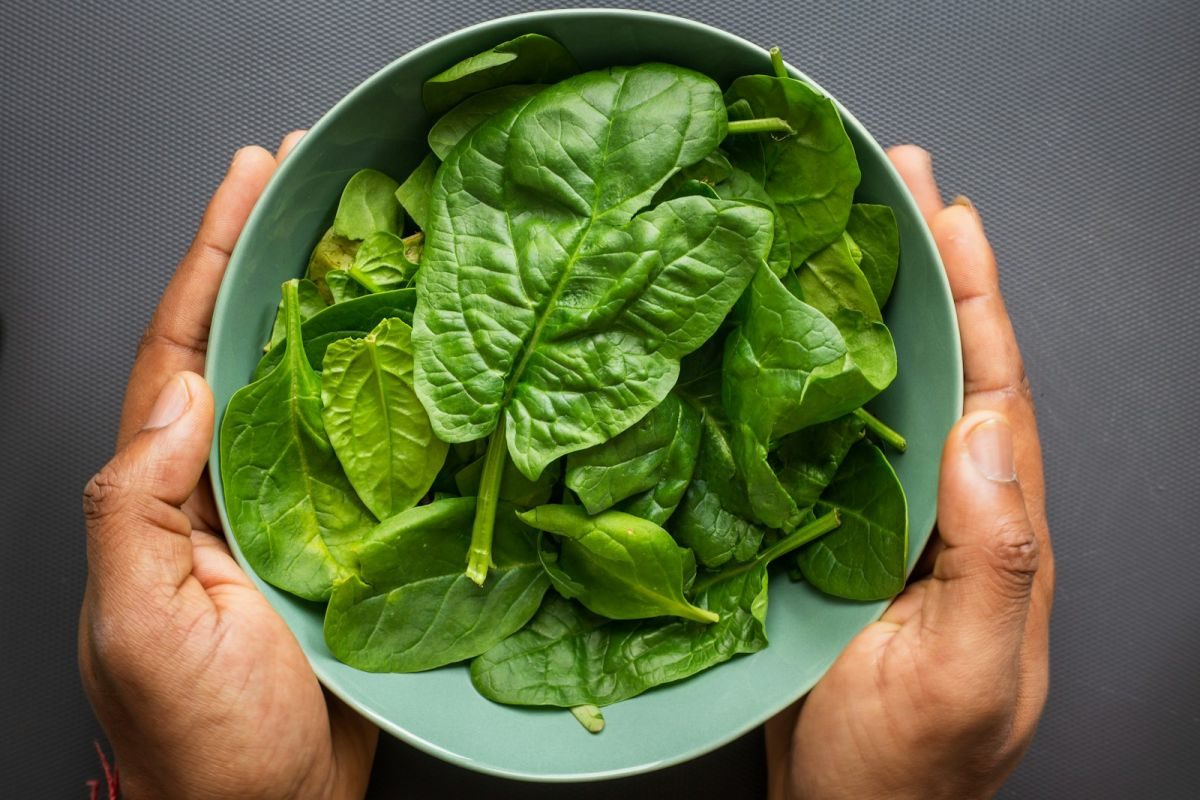
Spinach is often celebrated for its rich nutrient profile, but few realize it is also a surprising source of plant-based omega-3 fatty acids. Many people struggle to incorporate enough omega-3s into their diets, especially those following vegetarian or vegan lifestyles. The common sources of omega-3s, such as fish and fish oils, are not options for everyone. This leads to a significant gap in nutritional intake, which can affect overall health and wellness.
The good news is that spinach offers a viable alternative. This leafy green is not only versatile but also packed with essential nutrients that can support various bodily functions. Incorporating spinach into your diet can help bridge the omega-3 gap while providing additional health benefits.
Understanding how spinach contributes to omega-3 intake requires a closer look at its nutritional components and how they interact with the body. This guide will delve into the practical applications, common mistakes to avoid, and the scientific mechanisms behind spinach’s omega-3 benefits.
By the end of this exploration, you will be equipped with the knowledge to integrate this superfood into your daily routine effectively, ensuring you reap its full health benefits while addressing the challenges of acquiring sufficient omega-3s from plant sources.
How to Use Spinach for Real Results
- Best Form: Fresh or frozen spinach
- Best Time: Daily incorporation into meals
- Expected Result: Improved omega-3 intake and overall health
For Daily Protection
The prep for this daily spinach incorporation involves simple ingredients. Gather fresh or frozen spinach, a banana, a tablespoon of flaxseeds, and your choice of plant-based milk. If desired, you can also include a scoop of protein powder for added nutrition.
To create a nutrient-rich smoothie, start by adding about one cup of spinach to a blender. Next, peel and chop the banana, and add it to the blender along with the flaxseeds and plant-based milk. Blend until smooth, adjusting the milk for desired consistency.
Upon consuming this smoothie, expect a refreshing sensation that energizes your body. The blend of spinach and flaxseeds will provide a subtle earthy flavor complemented by the sweetness of the banana. This combination will leave you feeling nourished and satisfied for hours.
Pro Tip: For an extra boost, consider adding a tablespoon of chia seeds for additional omega-3 benefits.
Targeting Acute Pain
The prep for addressing acute pain with spinach involves creating a spinach salad. You will need fresh spinach leaves, cherry tomatoes, cucumber, and a lemon vinaigrette.
Begin by washing and drying the spinach leaves thoroughly. Chop the cucumber and halve the cherry tomatoes. In a large bowl, combine all ingredients, and drizzle with lemon vinaigrette for a zesty touch.
Eating this salad provides a refreshing crunch and a burst of flavors. The combination of spinach and fresh vegetables will help reduce inflammation, which can alleviate pain. The cooling sensation of the cucumber, combined with the lightness of the spinach, makes this a delightful dish.
Pro Tip: Add walnuts to the salad for an added omega-3 boost and a satisfying crunch.
The Nighttime Routine
To prepare spinach for a nighttime routine, consider making a warm spinach soup. Gather fresh spinach, garlic, vegetable broth, and a splash of cream or coconut milk for creaminess.
Start by sautéing minced garlic in a pot until fragrant. Add the spinach and sauté until wilted. Pour in vegetable broth and let it simmer for about 10 minutes. Blend the mixture until smooth, then stir in cream or coconut milk for richness.
Consuming this warm soup will provide a soothing sensation, perfect for winding down. The warmth and creaminess can be comforting, and the spinach will aid in relaxation due to its magnesium content, promoting a good night’s sleep.
Pro Tip: Add a pinch of nutmeg for a cozy, aromatic flavor that enhances relaxation.
Common Mistakes to Avoid
Overcooking Spinach
Overcooking spinach is a common mistake that can diminish its nutritional value. Spinach contains water-soluble vitamins, particularly vitamin C and certain B vitamins, which can leach out during prolonged cooking.
To avoid this, cook spinach for a minimal time, just enough to wilt. This method preserves its vibrant color and nutrient density. Light steaming or sautéing for a few minutes is ideal.
When properly cooked, spinach retains its flavor and health benefits. Ensuring it remains vibrant green is not only visually appealing but also a sign of its nutrient retention.
Ignoring Freshness
Using wilted or old spinach can lead to a less enjoyable eating experience. Fresh spinach has a crisp texture and vibrant color, which is crucial for both taste and nutrition.
To ensure freshness, always check the leaves for any signs of wilting or discoloration before purchase. Store spinach in the refrigerator and consume it within a few days to maximize its health benefits.
Fresh spinach enhances the flavor of your dishes and ensures you receive the full spectrum of nutrients. Incorporating fresh spinach into meals will elevate both taste and health.
Neglecting Variety
Relying solely on one preparation method for spinach can lead to boredom and decreased consumption. Variety is essential for maintaining interest in your meals.
Explore different ways to incorporate spinach into your diet. Use it in smoothies, salads, soups, or even as a cooked side dish. Mixing it with various ingredients can enhance its flavor and nutritional benefits.
Incorporating a range of spinach preparations keeps meals exciting and ensures you gain diverse nutrients. This approach will encourage consistent consumption, maximizing health benefits.
The Mechanism Behind Spinach’s Benefits
Spinach contains alpha-linolenic acid (ALA), a type of omega-3 fatty acid. ALA is essential for various bodily functions, including heart health and inflammation reduction. The body can convert ALA into other forms of omega-3s, such as EPA and DHA, although this conversion is not very efficient.
The key compound in spinach that contributes to its omega-3 content is ALA. This fatty acid plays a vital role in maintaining cellular health and supporting the immune system. Regular consumption of ALA-rich foods like spinach can help improve overall health and well-being.
Research has shown the significance of ALA in cardiovascular health. A study published in the journal “Nutrients” highlights the benefits of ALA in reducing the risk of heart disease. For more detailed information, refer to this clinical evidence.
Choosing the Right Product
- Potency: Ensure the spinach you choose has a high concentration of omega-3s. This is crucial for maximizing health benefits.
- Purity: Look for organic spinach to avoid pesticides and other harmful chemicals. This ensures a cleaner product.
- Form: Fresh or frozen spinach are preferable. They retain more nutrients compared to processed forms.
Benefits vs Risks
| The Benefits | Potential Downsides |
|---|---|
| Rich in plant-based omega-3 fatty acids | May lead to digestive discomfort in some individuals |
| High in vitamins and minerals | Oxalates in spinach can interfere with calcium absorption |
| Supports heart health and reduces inflammation | Excessive consumption may lead to kidney stones in susceptible individuals |
Habits to Enhance Benefits
Pairing spinach with healthy fats can enhance the absorption of its nutrients. Adding olive oil or avocado to spinach dishes can increase the bioavailability of fat-soluble vitamins.
Regular physical activity complements a diet rich in spinach. Exercise boosts overall health and can amplify the benefits of consuming nutrient-dense foods like spinach.
Who Should Avoid This?
– Individuals with a history of kidney stones
– Those with oxalate sensitivity
– People on anticoagulant medications should consult a healthcare provider
Common Questions
Can spinach replace fish as a source of omega-3?
Spinach can contribute to omega-3 intake but should be part of a varied diet that includes other sources for optimal health.
How should spinach be stored?
Store spinach in the refrigerator in a breathable bag to maintain freshness for as long as possible.
Is raw spinach better than cooked?
Both raw and cooked spinach offer benefits. Cooking can enhance certain nutrient absorption while reducing oxalate content.
Can I get enough omega-3s from spinach alone?
While spinach is a good source of ALA, it is recommended to incorporate a mix of omega-3 sources for comprehensive benefits.
The Bottom Line
Spinach is a valuable addition to any diet, especially for those seeking plant-based omega-3s.
- The Truth: Spinach is not the most concentrated source of omega-3s.
- The Strategy: Incorporate spinach into daily meals for maximum benefits.
- The Next Step: Experiment with different spinach recipes to keep your diet interesting.
Get Your FREE Natural Health Guide!
Subscribe now and receive our exclusive ebook packed with natural health tips, practical wellness advice, and easy lifestyle changes, delivered straight to your inbox.