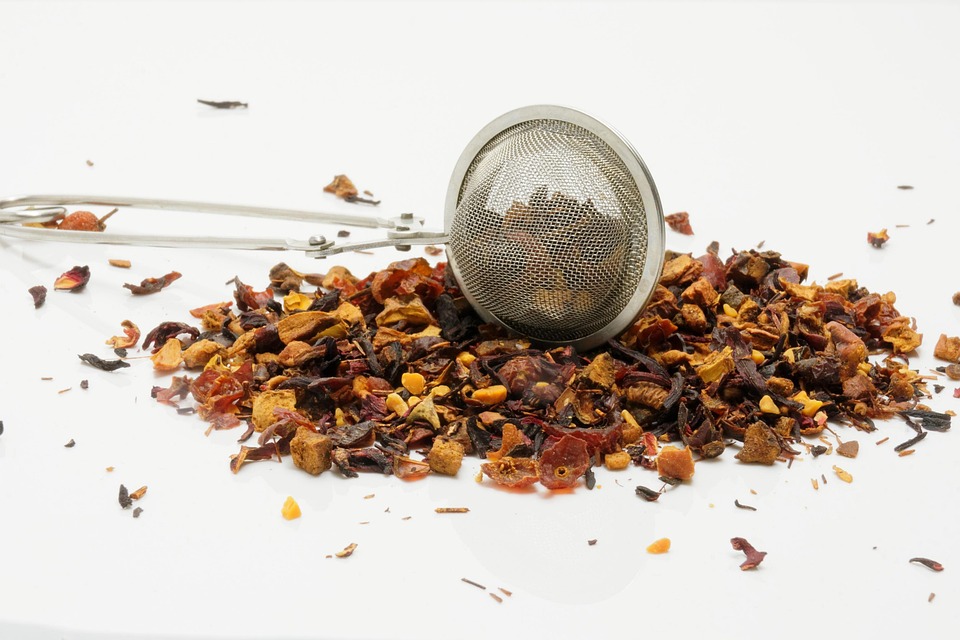

Elevating Daily Wellness with Moringa Ginger Tea Blend
The purposeful combination of moringa and ginger creates a remarkable herbal infusion. This unique **moringa ginger tea blend** offers a comforting and engaging way to integrate well-regarded botanicals into one’s daily routine. It’s a simple, yet sophisticated, approach to fostering overall wellness.
This particular blend unites two ancient plants, each celebrated in various cultures for centuries. When brought together, their individual attributes converge, offering a distinctive profile. Many people find this tea to be a delightful addition to their lifestyle practices.
Understanding the historical context and the specific compounds present in each ingredient provides deeper appreciation. This guide explores the unique characteristics of moringa and ginger, illuminating why their combination in a tea blend makes for such a compelling choice.
The Ancient Pedigree of Moringa oleifera
Often called the “Miracle Tree,” Moringa oleifera originates from India but flourishes in tropical and subtropical regions worldwide. Its history as a food source and botanical ingredient stretches back thousands of years. Traditional Ayurvedic practices frequently referenced moringa for a wide array of uses.
Every part of the moringa tree, from its leaves and flowers to its pods and roots, has been utilized. The leaves, in particular, are commonly dried and powdered for convenience, preserving many of their inherent qualities. This accessibility has made moringa a staple in many traditional diets.
Historical texts indicate its use extended beyond India, reaching into parts of Africa and Southeast Asia. Cultures valued moringa for its resilience and its broad spectrum of traditional applications. It wasn’t just consumed; it was a revered plant within local customs and health traditions.
- Traditional Use: General wellness support, food staple.
- Key Cultural Region: India, Ayurvedic tradition.
- Noteworthy Aspect: Every part of the tree has historical uses.
Cultural Significance
To prepare a moringa infusion, dried moringa leaves are steeped in hot water, allowing their essence to infuse the liquid.
Zingiber officinale The Pungent Root of Wellness
Ginger, derived from the root of Zingiber officinale, possesses an equally rich and extensive history. Originating in Southeast Asia, ginger quickly spread across ancient trade routes, becoming a prized commodity in various civilizations. Chinese traditional practices and Ayurvedic medicine both document its widespread use.
For millennia, ginger has been a consistent presence in culinary traditions globally, appreciated for its distinctive pungent and spicy flavor. Beyond its taste, it held a significant place in traditional wellness approaches. Its warming properties were particularly valued in many cultures.
The rhizome, or underground stem, is the most commonly used part of the plant. It can be consumed fresh, dried, powdered, or as an oil. This versatility further cemented ginger’s role as a fundamental botanical ingredient across different historical periods and geographic locations.
- Origin: Southeast Asia.
- Traditional Application: Culinary spice, general comfort.
- Distinctive Feature: Warming and pungent properties.
Historical Use
Ginger root can be grated, sliced, or diced before being added to hot water for an aromatic and flavorful tea.
The Synergistic Bioactive Compounds
The true strength of the moringa ginger tea blend lies in the intricate interaction of compounds from both plants. Neither moringa nor ginger relies on a single dominant compound. Instead, a complex array of natural substances contributes to their overall profile. This botanical collaboration is what many find so appealing.
Moringa is recognized for its concentration of various **phytonutrients** and related compounds. These constituents are distinct from those found in ginger, creating a comprehensive profile when combined. Understanding these individual contributions helps explain the broad interest in this blend.
Ginger, meanwhile, contains its own unique set of **phenolic compounds** and **terpenes**. These specific molecules contribute to its characteristic aroma and flavor, as well as its long-standing place in wellness discussions. The interplay between these diverse compounds is a subject of ongoing interest.
| Botanical | Primary Bioactive Categories | Key Example Compounds |
|---|---|---|
| Moringa oleifera | Polyphenols, Flavonoids, Isothiocyanates | Quercetin, Kaempferol, Chlorogenic acid |
| Zingiber officinale | Gingerols, Shogaols, Zingerone | 6-Gingerol, 6-Shogaol, Zingerone |
Moringa’s Nutritional Profile
Moringa leaves are notable for their varied chemical composition. They contain compounds such as quercetin, a flavonoid often explored for its general attributes. Another prominent compound is chlorogenic acid, a polyphenol that garners attention in discussions around plant-based wellness.
Another important group of compounds found in moringa are the isothiocyanates. These sulfur-containing molecules are unique to certain plant families, including moringa. They contribute to the plant’s distinctive chemical signature.
Beyond these specific compounds, moringa offers a range of other naturally occurring substances. People often explore these components as part of a varied dietary intake. Research from the National Institutes of Health provides further details on moringa’s components.
- Primary Compound: Quercetin.
- Associated Benefit: Plant flavonoid.
- Chemical Group: Flavonoids, Polyphenols.
Nutrient Integration
Adding moringa leaf powder directly to hot water creates an earthy base for the tea blend.
Ginger’s Pungent Principles
The characteristic pungency of ginger is primarily due to compounds called gingerols. These phenolic compounds are particularly abundant in fresh ginger. They are responsible for the immediate warmth and spice many people associate with this root.
When ginger is dried or cooked, gingerols can undergo a transformation into related compounds known as shogaols. Shogaols possess a more intense pungency than gingerols. This chemical shift explains the difference in flavor between fresh and dried ginger.
Another compound, zingerone, contributes to the sweet notes found in cooked ginger. This array of chemical constituents gives ginger its complex flavor profile and its diverse traditional applications. These components are often discussed in the context of supporting overall well-being.
- Signature Compound: Gingerols.
- Bioactive Role: Pungency and warmth.
- Form: Found in fresh ginger.
Active Constituents
Fresh ginger root, thinly sliced or grated, is traditionally infused into hot water to release its active components.
Preparing Your Moringa Ginger Tea Blend
Crafting a moringa ginger tea blend is a straightforward process, allowing for personal customization. The goal is to extract the beneficial compounds and flavors from both ingredients into a comforting beverage. Starting with quality ingredients forms the foundation of a satisfying tea.
For moringa, using dried leaf powder or whole dried leaves is common. The powder offers convenience and a more robust infusion, while whole leaves provide a gentler, more delicate flavor. Experimentation with both forms can help determine personal preference.
Ginger can be used fresh, grated, or thinly sliced. Fresh ginger offers a vibrant, spicy kick. Alternatively, dried ginger powder can be used, which tends to yield a more concentrated and spicier flavor profile. Adjusting the quantity of each ingredient allows for tailoring the tea to individual taste.
- Preparation Method: Infusion.
- Recommended Form: Dried moringa leaves or powder, fresh or dried ginger.
- Infusion Time: 5-10 minutes.
Brewing Protocol
Combine one teaspoon of moringa powder and a half-inch slice of fresh ginger per cup, then steep in hot water.
Incorporating This Blend into a Wellness Lifestyle
Introducing a moringa ginger tea blend into your daily routine can be a simple, pleasant step towards general wellness. Many people appreciate the comforting warmth it provides, especially during cooler months or as a soothing evening beverage. It can become a ritual that marks transitions throughout the day.
This blend is often explored as part of a holistic approach to maintaining comfort. Individuals may find it a valuable addition to discussions with their qualified healthcare professional regarding dietary choices that support overall balance. It represents a way to mindfully engage with plant-based ingredients.
For those pursuing an active lifestyle, a warm cup of this tea might be a welcome companion. It may help people feel more comfortable moving throughout their day and can complement various physical activities. This blend is simply one component of a broader wellness perspective.
- Lifestyle Context: Daily ritual, comfort beverage.
- Potential Support: General wellness, sense of ease.
- Complementary Practices: Mindful living, balanced nutrition.
Daily Integration
Enjoy a cup of moringa ginger tea blend in the morning to start your day or in the afternoon for a comforting break.
Important Considerations
While moringa and ginger are widely consumed, it is always wise to approach any new botanical inclusion with awareness. Pay attention to how your body responds, as individual reactions can vary. Listening to your body is a key aspect of personalized wellness.
People with underlying conditions often work with a qualified healthcare professional for personalized guidance regarding dietary supplements and herbal blends. This information is educational and not a substitute for medical advice. Open communication with a healthcare provider is always recommended.
Avoid excessive consumption of either ingredient, especially if you are new to them. Begin with smaller amounts and gradually adjust as needed. This allows your system to acclimate and helps you observe any personal sensitivities.
- Key Caution: Individual response variations.
- Personal Factor: Consult a healthcare professional for underlying conditions.
- General Guidance: Start with small quantities.
Prudent Practice
If you have any specific health concerns, discussing this tea blend with a healthcare professional before regular consumption is a sensible approach.
Frequently Asked Questions
What does moringa ginger tea taste like?
The taste of moringa ginger tea is a unique combination. Moringa contributes an earthy, slightly green flavor, while ginger adds a distinct spicy, pungent warmth. The balance depends on the proportions used, offering a range from mellow to vibrant.
Can I make this tea with fresh moringa leaves?
Yes, fresh moringa leaves can be used to make the tea. They should be thoroughly washed and then steeped in hot water, similar to fresh ginger. Fresh leaves may impart a slightly different flavor profile compared to dried or powdered moringa.
Is it better to use fresh or dried ginger in the blend?
Both fresh and dried ginger work well in the blend, each offering a distinct experience. Fresh ginger provides a brighter, more zesty spice, while dried ginger, especially powder, often delivers a more concentrated and intense warmth. Your preference will dictate the choice.
The Bottom Line
The moringa ginger tea blend offers a straightforward yet enriching way to embrace the traditional wisdom of two respected botanicals. Its unique flavor and comforting qualities make it a valuable addition to a mindful lifestyle. Prioritize your well-being by considering this blend as a simple pleasure within your daily routine.
Get Your FREE Natural Health Guide!
Subscribe now and receive our exclusive ebook packed with natural health tips, practical wellness advice, and easy lifestyle changes, delivered straight to your inbox.