
Unpacking the Role of Eating Apples for Cleaning Teeth
The crisp bite of an apple has long been associated with a sense of freshness in the mouth. While apples are celebrated for their nutritional value, their potential contributions to oral wellness are often discussed within the context of daily dietary choices. Many people wonder if eating apples for cleaning teeth offers a genuine benefit.
This isn’t about replacing your toothbrush or dental floss. Instead, we explore how the unique characteristics of this common fruit can complement your established oral hygiene practices. Understanding these aspects helps integrate apples as a supportive element in a broader approach to maintaining a healthy mouth.
By examining the mechanical actions, biochemical compounds, and the role of hydration inherent in apples, we can gain a clearer perspective. This deep dive aims to provide authoritative insights into how apples interact with your oral environment, fostering a better understanding of their place in your wellness routine.
The Mechanical Contribution of a Crisp Bite
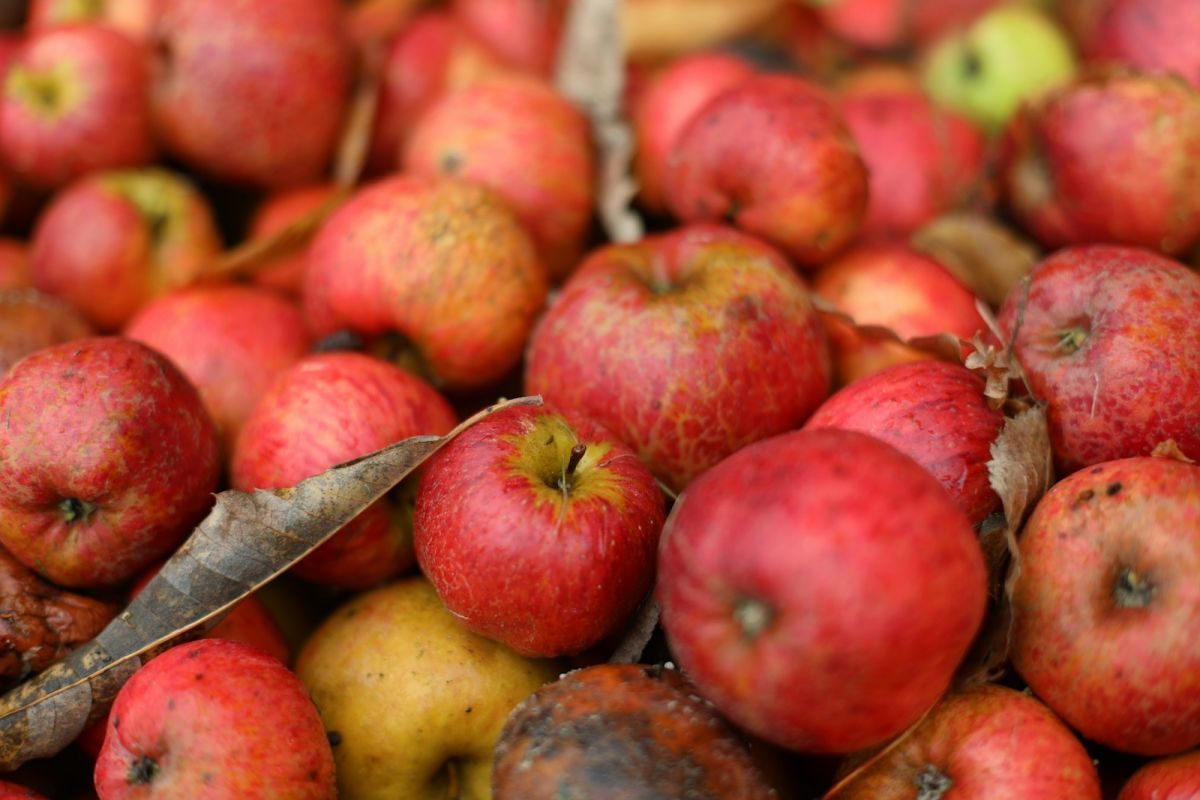
The firm, fibrous texture of an apple provides a distinct mechanical action when chewed. This physical engagement across tooth surfaces creates a mild abrasive effect. This natural friction can help dislodge food particles that may have adhered to the enamel or lodged between teeth after meals.
Chewing an apple requires significant muscular effort, involving the jaw and facial muscles. This action stimulates the production and flow of saliva, which is crucial for maintaining oral health. Saliva acts as the body’s natural rinsing agent, helping to wash away debris and buffer acids.
The dietary fiber present in apples, particularly the insoluble fiber in the skin, plays a key role in this mechanical interaction. As you chew, these fibers can gently scrub the surfaces of the teeth, contributing to a cleaner sensation. It’s a process that supports the mouth’s innate self-cleansing mechanisms.
* **Active Mechanism:** Physical Abrasion and Friction
* **Best Used For:** Helping dislodge superficial food particles
* **Associated Oral Wellness Aspect:** Supports a sense of clean tooth surfaces
Optimizing the Chewing Process
To maximize this physical benefit, consume a whole apple with its skin, ensuring thorough chewing. This sustained action encourages the most contact with tooth surfaces.
Apple’s Natural Acids and Oral Environment Support
Apples contain natural organic acids, with **malic acid** being one of the most prominent. This acid is naturally occurring in many fruits and contributes to their tart flavor profile. In the oral cavity, malic acid can briefly interact with the tooth surface.
The presence of malic acid in apples is often discussed in relation to its potential to support temporary surface brightness. This isn’t about altering tooth structure but rather influencing the superficial layer. It may contribute to a perceived clean feeling on the enamel.
It is important to understand that while these acids are natural, their concentration in apples is mild. The beneficial effects are largely observed in conjunction with the mechanical chewing and increased saliva flow. This combination helps to dilute and rinse away the acids, preventing prolonged contact.
* **Active Compound:** Malic Acid
* **Associated Role:** May contribute to temporary surface freshness
* **Mechanism of Action:** Mild, transient surface interaction
Integrating Into a Balanced Approach
Enjoying apples as part of a balanced diet can support overall oral freshness. Remember that apples should always be consumed whole, rather than as juice, to benefit from the fiber.
The Hydration Factor and Salivary Flow
Apples are remarkably high in water content, often comprising around 85% of their mass. This significant hydration contributes directly to increased salivary production during consumption. Saliva is fundamental to maintaining a balanced oral environment.
Enhanced saliva flow helps to rinse away food debris and sugars from tooth surfaces and between teeth. It also plays a vital role in neutralizing oral acids, which are produced by certain oral microorganisms after consuming carbohydrates. A consistent flow of saliva helps to maintain a stable pH balance in the mouth.
Beyond its cleansing action, saliva contains various components that contribute to the mouth’s natural defense system. These include minerals and enzymes that support the integrity of tooth enamel. The act of chewing a water-rich fruit like an apple provides a gentle, natural stimulus for this essential bodily function.
* **Active Compound:** Water
* **Primary Effect:** Stimulates Saliva Production
* **Associated Oral Wellness Aspect:** Supports natural cleansing and pH balance
Encouraging Oral Moisture
Regularly consuming water-rich fruits like apples can contribute to healthy salivary glands. This is a simple, natural way to encourage your body’s inherent oral cleansing mechanisms.
Phytochemicals and Antioxidant Presence
Apples are rich in a variety of **phytochemicals**, including **flavonoids** and **polyphenols**. These plant compounds are recognized for their antioxidant properties. Antioxidants help manage oxidative processes within the body, including tissues in the oral cavity.
The oral tissues, including the gums, are susceptible to various influences from diet and environment. Dietary intake of antioxidant-rich foods can contribute to general cellular wellness. Apples provide a natural source of these beneficial compounds.
While the primary oral benefits of apples are often linked to their mechanical and salivary effects, the presence of these phytochemicals offers a broader wellness contribution. They support the overall health of the soft tissues within the mouth, which are crucial for a healthy oral environment.
* **Compound Group:** Flavonoids and Polyphenols
* **Associated Role:** Provide Antioxidant Support
* **Wellness Contribution:** Supports general oral tissue wellness
Dietary Inclusion Strategy
To benefit from these diverse compounds, integrate a variety of colorful fruits and vegetables, including apples, into your daily dietary pattern. This broad approach ensures a wide spectrum of nutritional support.
Understanding Common Misconceptions
It is a common belief that eating an apple can entirely replace the need for brushing or flossing. However, this is a significant misconception. While apples offer supportive oral wellness benefits, they do not possess the ability to remove **plaque** or reach between teeth as effectively as mechanical brushing and flossing.
Another point of confusion revolves around the “cleaning” action. Apples physically dislodge some superficial food particles, but they do not scrub away the sticky biofilm known as plaque. Plaque requires targeted mechanical removal with bristles and floss to prevent its accumulation and associated concerns.
Furthermore, while apples contain natural sugars, they are surrounded by fiber and water, which temper their impact compared to processed sugary snacks. However, even natural sugars can contribute to acid production in the mouth. It is always wise to follow up with water or a thorough rinse after eating any fruit.
* **Myth:** Apples are a complete substitute for brushing and flossing.
* **Clarification:** Apples offer complementary benefits, not replacements for primary oral hygiene.
* **Best Practice:** Always continue a consistent routine of brushing twice daily and flossing once daily.
Post-Consumption Protocol
After enjoying an apple, a simple rinse with water can help wash away residual sugars and acids, further supporting oral health. This is a sensible habit following any meal or snack. People with underlying conditions often work with a qualified healthcare professional for personalized guidance.
Apple Components and Their Oral Wellness Connections
| Apple Component | Primary Characteristic | Associated Oral Wellness Aspect |
|---|---|---|
| Dietary Fiber | Roughage and Textured Flesh | Supports physical cleansing of tooth surfaces |
| Malic Acid | Naturally Occurring Organic Acid | May contribute to a sense of temporary surface freshness |
| Water Content | High Hydration Level | Encourages natural saliva production and rinsing |
| Polyphenols | Antioxidant Phytochemicals | Supports general oral tissue wellness and balance |
| Firm Texture | Crunchy and Solid Structure | Promotes vigorous chewing and jaw engagement |
A Historical Perspective on Apples and Oral Care
The practice of consuming firm, raw fruits for oral hygiene is not new; it has roots in various historical dietary traditions. Before the widespread availability of toothbrushes and commercial dental products, people relied on natural methods to support their oral health. Apples, due to their widespread availability and inherent texture, naturally fit into this role.
In many ancient cultures, the daily diet included hard, fibrous foods that required extensive chewing. This continuous engagement helped keep teeth and gums active. Apples, along with other raw vegetables and nuts, were an integral part of this dietary landscape, offering a practical way to encourage oral freshness.
While the scientific understanding of salivary glands, pH balance, and microbial action was not yet developed, the observed effect of feeling a cleaner mouth after eating certain foods was recognized. This traditional wisdom underscores the long-standing appreciation for the simple, practical benefits of foods like apples in supporting a clean oral environment. Research from the Penn State Extension highlights the nutritional profile and broad benefits of apples.
* **Era:** Ancient and Traditional Diets
* **Practice:** Consumption of Hard, Fibrous Foods
* **Perceived Benefit:** Supported a cleaner oral sensation and active gums
Adopting Traditional Wisdom
Consider integrating more whole, raw fruits and vegetables into your daily meals. This approach aligns with historical dietary patterns that intuitively supported oral wellness through natural chewing.
Frequently Asked Questions
Can apples truly clean my teeth like brushing?
No, apples cannot truly clean your teeth like brushing. They provide a complementary mechanical action and stimulate saliva, which help remove some superficial food particles and acids. However, they do not effectively remove **plaque**, nor can they reach into the crevices and between teeth to provide the thorough cleaning that a toothbrush and floss offer. Always maintain your regular brushing and flossing routine.
Which types of apples are best for oral health?
Generally, crisp, firm apple varieties tend to offer the most pronounced mechanical benefits. Varieties like Fuji, Honeycrisp, Granny Smith, or Gala require more chewing effort, which enhances saliva production and the physical scrubbing action. The texture is more important than the specific flavor profile.
Should I eat an apple after every meal for a cleaner mouth?
Eating an apple after a meal can be a beneficial choice due to its natural cleansing and salivary stimulation properties. It can help rinse away some food debris. However, it is not strictly necessary after *every* meal and should not replace proper oral hygiene. If you choose to, consider rinsing your mouth with water afterward to manage any residual natural sugars.
Can the natural acids in apples harm my teeth?
The natural acids in apples, like malic acid, are mild and diluted by high water content and increased saliva flow. For most people, consuming whole apples as part of a balanced diet does not pose a significant risk to tooth enamel, especially when followed by good oral hygiene. People with pre-existing enamel sensitivity or erosion concerns may wish to discuss dietary choices with a dentist. This information is educational and not a substitute for medical advice.
The Bottom Line
Apples offer a delightful and wholesome addition to a dietary pattern focused on overall wellness, including oral health. Their firm texture, rich water content, and natural compounds provide several supportive actions that contribute to a sense of cleanliness and freshness in the mouth. These benefits largely stem from the mechanical action of chewing, which aids in dislodging food particles, and the increased production of saliva, which is the body’s natural oral rinse.
While apples are not a substitute for diligent brushing and flossing, they can certainly complement a comprehensive oral hygiene routine. Incorporating a crisp apple into your daily diet encourages healthy chewing habits and supports the natural processes that help maintain a balanced oral environment. Consider enjoying a whole apple as a smart snack choice, remembering to follow up with a simple water rinse to round out its refreshing effects.
Get Your FREE Natural Health Guide!
Subscribe now and receive our exclusive ebook packed with natural health tips, practical wellness advice, and easy lifestyle changes, delivered straight to your inbox.