
Contents
Many men face challenges related to reproductive health, particularly when it comes to sperm flow and quality. This issue can stem from various lifestyle factors, including stress, poor nutrition, and lack of physical activity. These factors can contribute to decreased blood flow and overall vitality, affecting not just fertility but also overall well-being. Addressing these concerns through simple, practical methods can significantly enhance reproductive health.
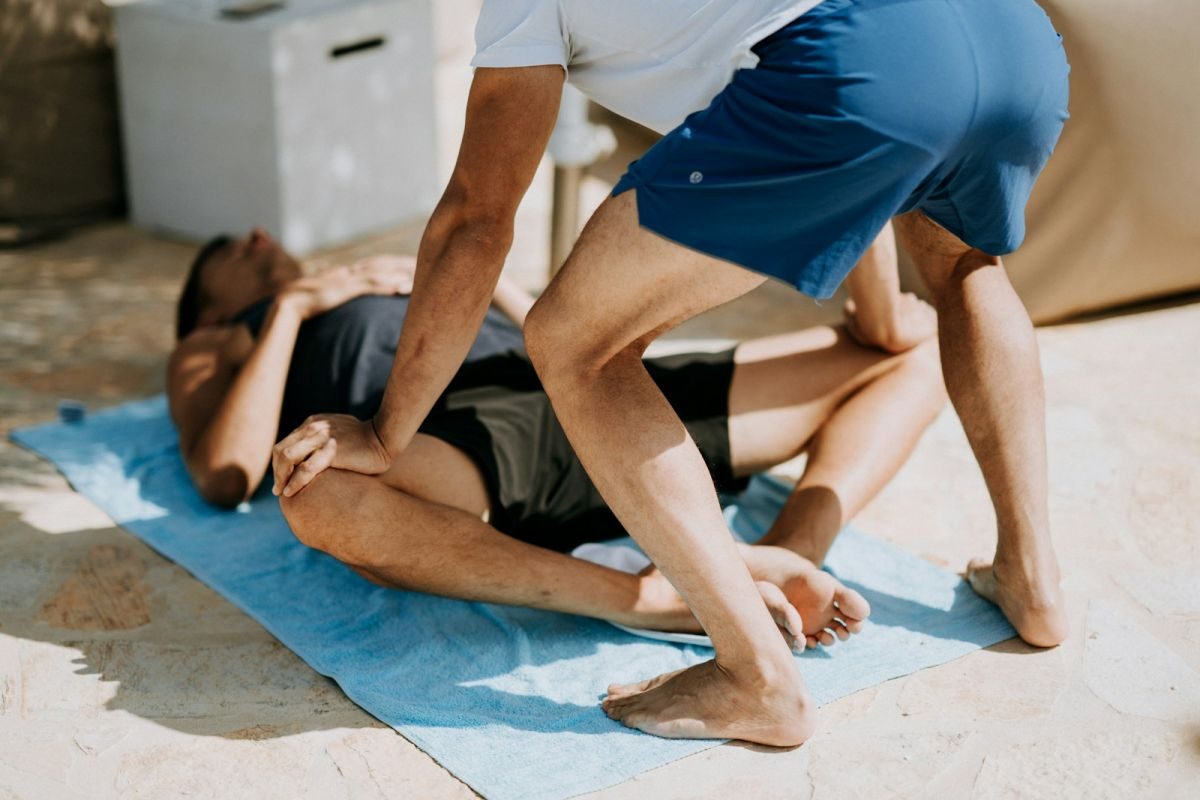
One effective approach to improving sperm flow is through hip flexor stretches. These stretches can help release tension in the pelvis and groin, which might be contributing to restricted blood flow. By focusing on the hip flexors, men can improve circulation to the reproductive organs, which is essential for optimal sperm health. Incorporating specific stretches into a daily routine can yield noticeable benefits.
In addition to physical benefits, engaging in these stretches can also promote relaxation and reduce stress. Stress is known to have a negative impact on hormone levels and reproductive health. By integrating hip flexor stretches into a wellness regimen, men can not only boost their sperm flow but also enhance their overall mental and physical health.
This guide will provide a comprehensive overview of how to effectively utilize hip flexor stretches to improve sperm flow. It will cover practical applications, common mistakes to avoid, and the science behind why these stretches work. By the end of this guide, you will have a clear understanding of how to implement these techniques into your lifestyle for optimal results.
How to Use Hip Flexor Stretches for Real Results
- Best Form: Static and dynamic stretches.
- Best Time: Morning or before physical activities.
- Expected Result: Improved blood flow and flexibility.
For Daily Protection
Begin by finding a quiet space where you can stretch comfortably. You will need a yoga mat or a soft surface to protect your knees. Wear comfortable clothing that allows for full range of motion. It is also beneficial to have a timer set for your stretches to ensure you hold each position long enough for effective results.
Start with a simple lunge stretch. Step forward with your right foot and lower your body until your right knee is directly above your ankle. Keep your left knee on the ground. Hold this position for 30 seconds, then switch to the left leg. Focus on keeping your back straight and your hips pushed forward to maximize the stretch.
As you hold this position, you should feel a gentle stretch in your hip flexors and possibly a tingling sensation in your thighs. This sensation indicates that blood flow is improving. Aim to perform this stretch daily, ideally in the morning, to establish a routine that promotes flexibility and blood circulation.
Pro Tip: Gradually increase the time you hold each stretch as your flexibility improves.
Targeting Acute Discomfort
Prepare by ensuring your environment is calm and free from distractions. You may want to use a foam roller to massage any tight areas before stretching. This can help release tension and enhance the effectiveness of your hip flexor stretches. Keep a water bottle nearby to stay hydrated.
Begin with a seated butterfly stretch. Sit on the floor and bring the soles of your feet together, allowing your knees to fall outward. Gently press down on your knees with your elbows for added stretch. Hold this position for 30 seconds to a minute, breathing deeply to enhance relaxation.
As you engage in this stretch, you may notice a warming sensation in your hips and thighs. This is a sign that the muscles are relaxing and blood flow is increasing. Continue to practice this stretch whenever you feel tightness or discomfort in your hip area.
Pro Tip: Incorporate deep breathing to enhance relaxation and effectiveness.
The Evening Routine
Set the mood for your evening routine by dimming the lights and playing soft music. This will help you relax before bed. Use a yoga mat or a comfortable surface to perform your stretches. Consider using essential oils or a diffuser to create a calming atmosphere.
Perform a standing quadriceps stretch by standing on one leg and pulling your other foot towards your glutes. Hold onto a wall or chair for balance. Keep your knees close together and hold this position for 30 seconds. Switch legs and repeat.
While holding this position, you should feel a stretch in your quadriceps and hip flexors. This stretch not only promotes blood flow but also helps prepare your body for rest. Aim to incorporate this routine into your evening practices for improved relaxation and flexibility.
Pro Tip: Stretching before bed can enhance sleep quality and recovery.
Avoiding Common Pitfalls
Neglecting Warm-Up
Skipping a warm-up can lead to muscle strain and reduced effectiveness of the stretches. Before engaging in hip flexor stretches, it is crucial to prepare your muscles. A proper warm-up increases blood flow and flexibility, making the stretches more effective.
To avoid this mistake, dedicate at least five minutes to light aerobic activity, such as jogging in place or dynamic stretches. This will ensure your muscles are ready for the more intense stretches that follow. Taking the time to warm up can significantly enhance your experience.
Overstretching
Many individuals mistakenly believe that pushing their body too far will yield better results. Overstretching can lead to injuries and setbacks. It is essential to listen to your body and stretch within your limits.
To prevent overstretching, focus on gradual progression. Start with gentle stretches and increase intensity over time. Pay attention to your body’s signals. If you feel pain, ease off immediately. Consistency is more beneficial than intensity.
Inconsistent Practice
Inconsistency can hinder progress and reduce the benefits of hip flexor stretches. Establishing a routine is vital for long-term results. Sporadic stretching may not yield the desired improvements in flexibility and blood flow.
To maintain consistency, schedule your stretching sessions at the same time each day. Consider pairing stretches with another daily routine, such as morning coffee or evening relaxation. This will help reinforce the habit and ensure you stick to your regimen.
The Science Behind Enhanced Reproductive Health
The biological mechanisms at play when engaging in hip flexor stretches are multifaceted. Stretching these muscles can enhance blood flow to the pelvic region, which is essential for reproductive health. Improved circulation helps deliver oxygen and nutrients to the reproductive organs, promoting optimal function.
Key compounds involved in this process include nitric oxide, which plays a crucial role in vasodilation. Increased nitric oxide levels can enhance blood flow and improve erectile function. Stretching can stimulate the release of this compound, thereby improving overall reproductive health.
Research supports the connection between physical activity, stretching, and improved reproductive health. For further information on this topic, visit PubMed for studies that explore the relationship between exercise and reproductive outcomes.
Choosing the Right Technique
- Potency: Select stretches that effectively target hip flexors to maximize benefits. Proper technique ensures that you engage the right muscles.
- Purity: Focus on natural, unmodified stretches. This will help maintain the integrity of your body’s movements, reducing the risk of injury.
- Form: Use proper form to prevent strain. Correct posture during stretches ensures that you reap the maximum benefits while minimizing risks.
Benefits vs Risks
| The Benefits | Potential Downsides |
|---|---|
| Improved blood circulation to reproductive organs | Risk of muscle strain if not performed correctly |
| Enhanced flexibility and range of motion | Time commitment may be challenging for some |
| Promotes relaxation and stress relief | Potential discomfort if overstretched |
Complementary Lifestyle Habits
Incorporating regular physical activity into your routine can significantly enhance the benefits of hip flexor stretches. Activities such as walking, swimming, or cycling promote cardiovascular health, which is essential for optimal blood flow.
Maintaining a balanced diet rich in antioxidants and healthy fats can also support reproductive health. Foods like fruits, vegetables, and nuts can improve overall vitality, complementing the effects of stretching.
Who Should Avoid This?
- Individuals with recent hip or knee injuries.
- Those with severe muscle strains or tears.
- People with conditions that affect mobility, such as arthritis.
Common Questions
How often should I perform these stretches?
It is recommended to perform hip flexor stretches daily for optimal results.
Can these stretches help with erectile dysfunction?
Improved blood flow from these stretches can potentially enhance erectile function.
What is the best time to stretch?
Morning and before physical activity are ideal times to perform these stretches.
Are there any specific techniques I should focus on?
Focus on lunges, seated butterfly stretches, and standing quadriceps stretches for targeted benefits.
The Bottom Line
Incorporating hip flexor stretches into your daily routine can significantly enhance sperm flow and overall reproductive health.
- The Truth: Results may vary based on individual factors.
- The Strategy: Consistent practice yields the best outcomes.
- The Next Step: Pair stretches with a healthy lifestyle for maximum benefits.
Get Your FREE Natural Health Guide!
Subscribe now and receive our exclusive ebook packed with natural health tips, practical wellness advice, and easy lifestyle changes, delivered straight to your inbox.