
Unveiling Carrot Seed Oil for Skin Sun Damage Support
The skin endures a constant barrage of environmental factors. Among these, sun exposure stands as a primary concern for many people focused on skin health and vitality.
Natural botanicals offer various avenues for supporting the skin’s resilience. Carrot seed oil, derived from the wild carrot plant Daucus carota sativa, has garnered attention for its unique profile of compounds.
It’s a botanical often discussed for its potential role in nourishing skin that has been exposed to the sun, helping it maintain a comfortable and vibrant appearance.
The Botanical Roots of Carrot Seed Oil
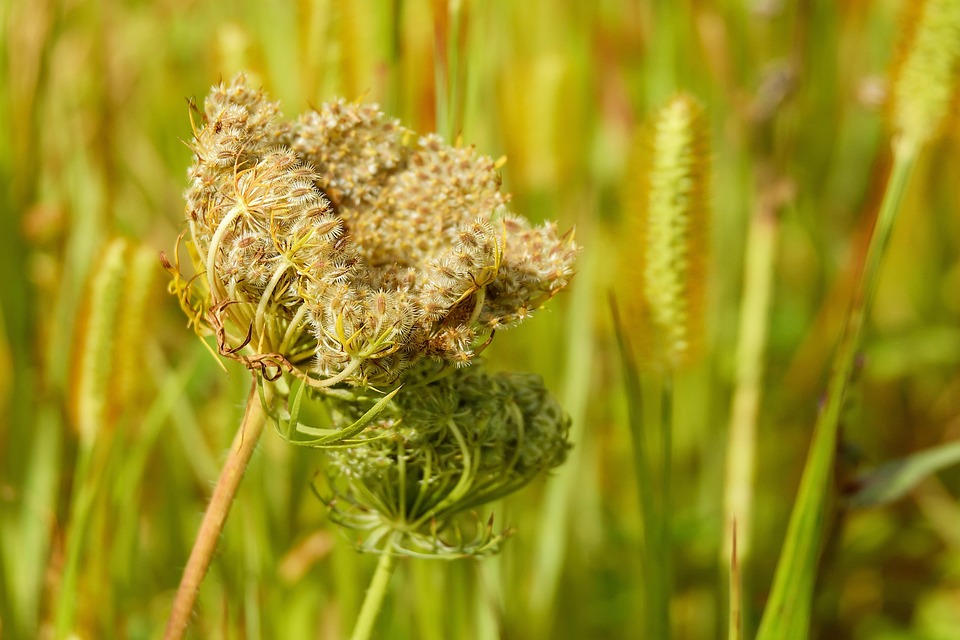
Carrot seed oil comes from the tiny seeds of the wild carrot plant, which is distinct from the common garden carrot we eat. This plant has a rich history across different cultures, often valued for its aromatic and traditional uses.
Its botanical name, Daucus carota, underscores its lineage. The oil is typically extracted through steam distillation of the seeds, yielding a potent and concentrated liquid.
The resulting essential oil possesses a warm, earthy, and somewhat sweet aroma, which also makes it a popular choice in aromatherapy practices.
Traditional practices across Europe and Asia have long incorporated preparations from the wild carrot. These historical applications often centered on its general supportive properties for overall well-being and appearance.
- Botanical Name: Daucus carota sativa
- Extraction Method: Steam distillation of seeds
- Aroma Profile: Earthy, warm, slightly sweet
- Traditional Uses: Skin support, general wellness practices
Understanding Botanical Sourcing
For those exploring natural botanical oils, ensuring quality sourcing is always a primary consideration. The origin and processing of carrot seed oil play a significant role in its final composition.
Key Compounds and Their Actions in Skin Support
The efficacy of carrot seed oil for skin support largely stems from its complex biochemical makeup. It contains a diverse array of chemical constituents, with certain compounds being particularly notable for their presence.
Carotol, a sesquiterpene alcohol, is often considered a signature compound of carrot seed oil. Its specific molecular structure contributes to the oil’s distinctive properties.
Another important group of compounds found in the oil are the carotenoids. While carrot seed oil is rich in beta-carotene, it’s crucial to understand that these are primarily precursors, and the oil itself doesn’t directly provide the same level of internal benefits as eating carrots.
Other terpenes, such as alpha-pinene and limonene, are also present, contributing to the oil’s aromatic profile and general properties when applied topically.
- Primary Sesquiterpene: Carotol
- Key Precursors: Carotenoids, including beta-carotene
- Supporting Terpenes: Alpha-pinene, Limonene
- Overall Profile: Complex blend of alcohols and terpenes
Biochemical Interaction with Skin
When applied topically, these compounds interact with the skin’s surface. Carotol, for instance, is discussed for its gentle effects, while carotenoids are known for their ability to contribute to the skin’s natural glow.
Carrot Seed Oil and Sun-Exposed Skin
People often explore carrot seed oil for its potential in helping skin maintain a feeling of comfort and vitality after sun exposure. The constituents within the oil are thought to offer various supportive actions.
The concept of skin rejuvenation is often associated with botanical oils like carrot seed oil. This refers to the idea of helping the skin feel refreshed and renewed, especially when it has been stressed by environmental elements.
Many individuals seek to soothe the skin and support its appearance following time outdoors. Carrot seed oil can be a part of a broader skincare strategy aimed at promoting a healthy looking complexion.
Using such oils can also be part of a regimen focused on maintaining the skin’s natural suppleness and smooth texture.
- Primary Focus: Supporting skin comfort and appearance after sun exposure
- Key Benefit Perception: Contributes to a feeling of skin rejuvenation
- Target Condition: Skin that has been exposed to environmental stressors
- Overall Contribution: Helps maintain skin’s natural texture and glow
Integrative Strategy for Topical Application
To incorporate carrot seed oil into a post-sun skin routine, it’s generally applied diluted with a carrier oil directly to areas that have experienced sun exposure, helping to encourage a sense of skin well-being.
Historical Perspectives on Skin Support
The use of plant-derived oils for skin care isn’t a modern invention; it’s a practice deeply rooted in human history. Ancient civilizations recognized the value of botanicals for various personal care needs.
Across different cultures, seeds and plant extracts were often macerated or pressed to extract their oils. These oils served as salves, balms, and general skin conditioners, particularly in regions with intense sun.
While specific documented uses of carrot seed oil for “sun damage repair” in ancient texts might be scarce, the broader tradition of using botanical oils to nourish and protect skin is well-established.
These historical practices underline a long-standing human inclination to turn to nature for solutions that support physical well-being and aesthetic appearance.
- Ancient Practice: Botanical oils used for general skin conditioning
- Cultural Reach: Common across various ancient civilizations
- Early Extraction: Maceration or pressing of seeds and plants
- General Application: Nourishing and protecting skin from environmental elements
Lessons from Traditional Usage
Modern applications of carrot seed oil often draw inspiration from these historical uses, adapting traditional wisdom to contemporary understanding of skin physiology.
Understanding Skin’s Response to Sunlight
Sunlight, particularly its ultraviolet (UV) components, interacts with the skin in complex ways. While some sun exposure is beneficial for vitamin D synthesis, excessive exposure can lead to visible changes in the skin’s appearance.
The skin possesses its own natural processes for maintaining its structure and function. Sustained exposure can influence these processes, leading to feelings of dryness or discomfort.
Many individuals are interested in supporting their skin’s appearance and resilience. Botanical oils can play a role in this by helping the skin maintain a smooth and even-toned look.
The goal of using supportive topical applications is often to encourage the skin’s natural ability to feel comfortable and vibrant.
- Sunlight Component: Ultraviolet (UV) radiation
- Skin Reaction: Can lead to visible changes and feelings of dryness
- Focus of Support: Maintaining skin’s structure and even tone
- Outcome Sought: Promoting comfortable, vibrant skin appearance
Supporting Skin’s Natural Balance
Incorporating botanicals like carrot seed oil can be part of a holistic approach to help skin maintain its natural balance and feel more comfortable after sun exposure.
Practical Application and Dilution Guidelines
Essential oils are potent and typically require dilution before topical application to the skin. Carrot seed oil is no exception; direct, undiluted application is generally not advised.
A common dilution ratio involves mixing carrot seed oil with a suitable carrier oil. Jojoba oil, almond oil, or fractionated coconut oil are excellent choices as they are gentle and widely available.
A typical recommendation is a 1% to 2% dilution. This means for every 100 drops of carrier oil, you would add 1 to 2 drops of carrot seed oil.
It’s always wise to perform a patch test on a small, inconspicuous area of skin, like the inner forearm, before applying the diluted oil more broadly. This helps assess for any individual skin sensitivities.
- Dilution Necessity: Essential oils require dilution for skin safety
- Recommended Carrier Oils: Jojoba, almond, fractionated coconut oil
- Standard Dilution Ratio: 1% to 2% essential oil to carrier oil
- Safety Precaution: Always perform a patch test first
Usage Instructions for Daily Support
After diluting, apply a small amount of the blend to clean skin, gently massaging it into areas of concern, such as facial skin or other exposed areas, generally in the evening.
Carrier Oils: The Foundation of Safe Application
Carrier oils are not merely diluents; they play a crucial role in the effective and safe application of essential oils. They “carry” the essential oil onto the skin, facilitate absorption, and often provide their own benefits.
The choice of carrier oil can influence the overall feel and additional properties of your botanical blend. For instance, rosehip oil is often chosen for its own skin-supportive qualities.
Using a good quality, cold-pressed carrier oil ensures that you are providing your skin with beneficial lipids and fatty acids, which are important for maintaining the skin’s barrier function.
Always select carrier oils that are appropriate for your skin type and personal preferences, as some are lighter or heavier than others.
- Primary Function: Dilutes essential oils and aids absorption
- Additional Benefits: Provides beneficial lipids and fatty acids
- Selection Criteria: Skin type compatibility, personal preference
- Quality Assurance: Opt for cold-pressed, high-quality varieties
Choosing Your Carrier Oil
Consider your skin type when choosing a carrier oil: lighter oils like jojoba are good for oily skin, while richer oils like avocado or argan oil suit drier complexions, establishing a personalized approach.
Comparing Natural Oils for Sun-Exposed Skin
Many natural oils are recognized for their supportive properties for skin, particularly when addressing the effects of environmental exposure. Understanding their distinctions can help in making informed choices.
Carrot seed oil is frequently discussed for its unique blend of carotol and carotenoid precursors. Its earthy aroma and reputation for helping skin feel renewed after sun exposure make it a popular choice.
Rosehip oil, conversely, is often valued for its fatty acid profile, including linoleic and linolenic acids, and its natural trans-retinoic acid content. It’s broadly recommended for supporting an even skin tone and overall skin smoothness.
Jojoba oil is technically a liquid wax, highly mimicking the skin’s natural sebum. It’s prized for its balancing properties and suitability for nearly all skin types, providing gentle hydration without a greasy feel.
Argan oil, rich in vitamin E and essential fatty acids, is celebrated for its deep moisturizing qualities and its ability to help skin feel supple. It’s often used for overall skin nourishment and to help skin maintain a soft texture.
| Oil Type | Key Compounds | Primary Reported Benefit | Aroma Profile |
|---|---|---|---|
| Carrot Seed Oil | Carotol, Carotenoids | Supporting sun-exposed skin | Earthy, warm |
| Rosehip Oil | Linoleic Acid, Trans-retinoic Acid | Promoting even skin tone | Mild, slightly nutty |
| Jojoba Oil | Liquid Wax Esters | Balancing, hydrating | Very mild, almost odorless |
| Argan Oil | Vitamin E, Fatty Acids | Moisturizing, softening | Mild, nutty |
Selecting an Oil Blend
Combining carrot seed oil with other carrier oils or essential oils can create synergistic blends that address multiple skin needs, allowing for a customized approach to daily skin care.
Responsible Sourcing and Quality for Skin Applications
The effectiveness and safety of any botanical product, especially those applied to the skin, hinge on its quality and how it was sourced. This is particularly true for essential oils like carrot seed oil.
Look for oils that are labeled as 100% pure essential oil, without added fillers or synthetic fragrances. Reputable suppliers often provide information about their distillation process and sourcing.
Organic certification can offer an additional layer of assurance, indicating that the seeds were grown without synthetic pesticides or fertilizers, which can be important for sensitive skin.
Understanding the botanical name (Daucus carota sativa) on the label confirms that you are purchasing true carrot seed oil, as other oils might be misleadingly named.
Quality packaging, typically dark glass bottles, helps protect the oil from light degradation, preserving its potency over time. For more information on dietary supplements and their ingredients, the National Institutes of Health provides valuable resources.
- Purity Indication: Look for “100% pure essential oil”
- Environmental Consideration: Organic certification for chemical-free growth
- Species Verification: Confirm botanical name Daucus carota sativa
- Preservation Method: Dark glass bottles for light protection
Ensuring Product Integrity
Always prioritize transparency from the supplier regarding their testing procedures and commitment to providing unadulterated botanical products, fostering trust in your skin care choices.
Common Mistakes When Using Essential Oils for Skin
While essential oils offer numerous supportive properties, misapplication or improper use can lead to undesirable outcomes. Awareness of common pitfalls helps ensure safe and effective use.
One prevalent mistake is applying essential oils directly to the skin without proper dilution. This can lead to skin irritation or sensitization, especially for those with sensitive skin types.
Using an excessive amount of diluted oil is another common error. More isn’t always better; a few drops of a properly diluted blend are often sufficient for the intended effect.
Failing to perform a patch test before widespread application can result in unexpected reactions. Each individual’s skin responds uniquely, and a patch test is a simple yet crucial preventive measure.
Exposing essential oil blends to direct sunlight or heat can compromise their integrity. Store them in cool, dark places to maintain their potency and stability over time.
- Major Error: Undiluted application to skin
- Dosage Mistake: Using too much essential oil in a blend
- Safety Oversight: Skipping the essential patch test
- Storage Flaw: Improper storage leading to degradation
Preventative Measures for Optimal Use
Adhering to dilution guidelines, conducting patch tests, and storing oils correctly are fundamental steps for a positive and beneficial experience with essential oils.
Frequently Asked Questions
Can carrot seed oil replace sunscreen?
No, carrot seed oil does not provide adequate sun protection and should never be used as a substitute for broad-spectrum sunscreen. It’s considered a skin-supportive oil, not a protective barrier against UV radiation.
Is carrot seed oil safe for all skin types?
While generally well-tolerated when properly diluted, individual reactions can vary. People with underlying conditions often work with a qualified healthcare professional for personalized guidance. Always perform a patch test before broader application, especially if you have sensitive skin.
How often should I apply carrot seed oil to my skin?
Typically, diluted carrot seed oil is applied once daily, often in the evening, as part of a regular skincare routine. Adjust frequency based on your skin’s response and personal preference.
What’s the difference between carrot seed essential oil and carrot carrier oil?
Carrot seed essential oil is steam-distilled from the seeds and is highly concentrated, requiring dilution. Carrot carrier oil, also known as carrot root oil, is typically a macerated oil where carrot root is infused into a vegetable oil, making it less concentrated and often used directly.
The Bottom Line
Carrot seed oil offers a fascinating botanical avenue for those seeking to nourish and support their skin, particularly after exposure to the sun. Its unique profile of compounds, including carotol and carotenoid precursors, provides a gentle way to encourage a feeling of skin comfort and vitality.
By understanding its proper application through dilution with carrier oils and adhering to safe usage practices, individuals can integrate this ancient botanical into a modern skincare regimen. It’s an ingredient that speaks to a long history of seeking natural solutions for maintaining a healthy and radiant complexion.
Consider incorporating properly diluted carrot seed oil into your evening skincare routine to help your skin maintain its serene appearance.
Get Your FREE Natural Health Guide!
Subscribe now and receive our exclusive ebook packed with natural health tips, practical wellness advice, and easy lifestyle changes, delivered straight to your inbox.