
Contents
The quest for stronger bones is a pressing concern for many individuals, especially as they age. Osteoporosis and other bone-related conditions can lead to fractures and a diminished quality of life. While conventional treatments exist, many people are seeking natural alternatives to bolster their skeletal health. One such alternative is green tea, a beverage rich in antioxidants and beneficial compounds. Incorporating it into a daily routine may offer an appealing solution for those looking to enhance their bone density.
Green tea has been celebrated for centuries in various cultures for its health benefits. Recent research suggests that compounds in green tea may play a crucial role in bone health. The polyphenols found in this beverage, particularly epigallocatechin gallate (EGCG), have demonstrated potential in supporting bone strength and density. Understanding how to harness these benefits can empower individuals to take charge of their bone health naturally.
The relationship between diet and bone health is profound. Nutritional choices can significantly impact bone density and the risk of osteoporosis. Green tea provides a delicious and rich source of polyphenols that can complement a balanced diet. By integrating this beverage into daily life, individuals may strengthen their bones while enjoying a flavorful drink.
Before diving into practical applications, it is essential to explore the various ways green tea can be effectively utilized to optimize its benefits for bone health.
How to Use Green Tea for Real Results
- Best Form: Loose leaf or high-quality tea bags
- Best Time: Morning or early afternoon
- Expected Result: Improved bone density over time
For Daily Protection
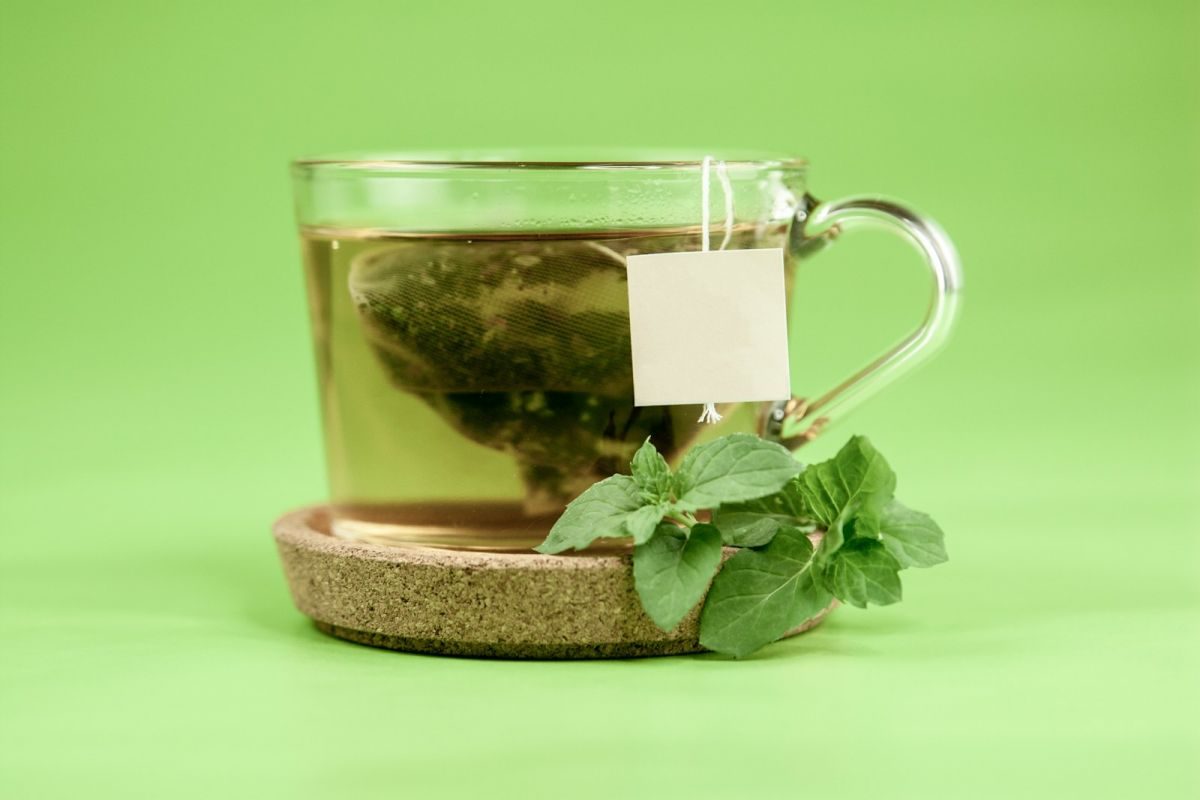
The Prep: To prepare a daily cup of green tea, start with fresh, filtered water. Use loose leaf green tea or high-quality tea bags. Measure about one teaspoon of loose tea per cup or use one tea bag. This ensures the optimal concentration of beneficial compounds.
The Action: Heat the water to around 175°F to 185°F. Pour the hot water over the tea leaves or tea bag and steep for about two to three minutes. This process allows the polyphenols to infuse into the water, creating a nutrient-rich beverage.
The Feeling: Sipping your daily green tea provides a warm and soothing sensation. The taste is often described as grassy or slightly astringent, with a refreshing aftertaste. This ritual can become a calming daily habit.
Pro Tip: Experiment with adding lemon or honey for flavor without sacrificing health benefits.
As an Afternoon Boost
The Prep: Gather the same ingredients as before. Consider using a thermos if you prefer to take your tea on the go. This can help maintain temperature and flavor throughout the day.
The Action: Brew a cup in the afternoon, preparing it similarly to your morning routine. This can be an excellent way to re-energize and refocus. Steeping for a shorter time may yield a milder flavor, which some may prefer.
The Feeling: Enjoying green tea in the afternoon can provide a refreshing lift. The slight caffeine content helps maintain energy levels without the jitters associated with coffee.
Pro Tip: Pair your tea with a healthy snack, such as nuts or yogurt, to enhance bone health further.
The Evening Wind Down
The Prep: Choose a decaffeinated green tea option if you prefer to avoid caffeine in the evening. This ensures a restful night while still reaping the benefits.
The Action: Steep your tea as usual, allowing it to cool slightly before drinking. This can create a comforting pre-bedtime ritual that promotes relaxation.
The Feeling: The calming effect of warm tea in the evening can help ease stress and prepare the body for a good night’s sleep. The experience is often described as soothing and restorative.
Pro Tip: Consider adding a splash of almond milk for a creamy texture and additional nutrients.
Common Mistakes to Avoid When Using Green Tea
Using Low Quality Tea
Choosing low-quality green tea can diminish the benefits. Many commercial brands may contain additives or lower amounts of beneficial compounds. These inferior products may not offer the same antioxidant properties that high-quality green tea does.
Opting for organic or premium brands ensures a more potent source of polyphenols. Look for loose leaf or whole leaf varieties, as they tend to retain more nutrients than bagged options.
Oversteeping the Tea
Oversteeping green tea can lead to a bitter taste and reduced health benefits. The optimal steeping time is generally two to three minutes. Exceeding this time may extract excessive tannins, which can overpower the flavor and diminish the tea’s health properties.
To avoid this mistake, set a timer when brewing. Experiment with steeping times to find the flavor profile that best suits your palate without sacrificing health benefits.
Neglecting Other Dietary Factors
Relying solely on green tea for bone health can be misleading. While it offers significant benefits, it should be part of a comprehensive approach to nutrition. Ignoring other essential nutrients like calcium and vitamin D may hinder overall bone health.
To maximize the effect of green tea, incorporate a balanced diet rich in fruits, vegetables, whole grains, and lean proteins. This holistic approach ensures that the body receives all necessary nutrients to maintain strong bones.
The Biological Mechanism Behind Bone Strength
Green tea’s role in bone health is primarily attributed to its rich content of polyphenols, particularly EGCG. These compounds have been shown to influence bone metabolism positively. They can inhibit the activity of osteoclasts, the cells responsible for bone resorption.
Additionally, green tea promotes the formation of osteoblasts, the cells that produce new bone. This dual action helps maintain a healthy balance between bone formation and resorption, ultimately supporting bone density and strength.
Research has indicated that the consumption of green tea correlates with improved bone mineral density. Studies suggest that individuals who regularly consume green tea have a lower risk of fractures and osteoporosis. For further reading, you can explore more about this topic through this PubMed search.
Choosing the Right Product
– **Potency:** Select products that specify the amount of EGCG per serving. Higher concentrations can lead to more significant health benefits.
-
Purity: Look for organic certifications and third-party testing. This ensures the absence of contaminants and supports overall health.
-
Form: Decide between loose leaf, tea bags, or powdered forms like matcha. Each form has unique benefits and flavor profiles, allowing for versatility in consumption.
Benefits vs Risks
| The Benefits | Potential Downsides |
|---|---|
| Rich in antioxidants that promote bone health. | Excessive caffeine can lead to jitteriness or sleep disturbances. |
| May reduce the risk of osteoporosis. | Some individuals may experience digestive discomfort. |
| Supports overall well-being and hydration. | Quality may vary among different brands. |
Habits for Optimal Bone Health
Regular weight-bearing exercises significantly enhance bone density. Activities like walking, jogging, or resistance training stimulate bone formation. Combining these exercises with green tea consumption can create a robust strategy for bone health.
Maintaining a balanced diet rich in calcium and vitamin D complements the benefits of green tea. Incorporate foods such as leafy greens, dairy products, and fatty fish to support overall skeletal health.
Who Should Avoid This?
– Individuals with caffeine sensitivity.
– Those on blood thinners or certain medications.
– Pregnant or breastfeeding women without consulting a healthcare provider.
– People with specific health conditions such as liver disease.
Common Questions
How much green tea should I drink daily?
Aiming for two to three cups of green tea daily is generally recommended for optimal health benefits.
Can I take green tea supplements instead?
Supplements can be beneficial but may not provide the same experience or additional compounds found in brewed tea.
Is decaffeinated green tea effective?
Yes, decaffeinated green tea still contains beneficial compounds, making it a suitable alternative for those sensitive to caffeine.
When is the best time to drink green tea?
Morning or early afternoon is ideal, as this allows for improved energy levels without disrupting sleep.
The Bottom Line
Incorporating green tea into your daily routine can be a proactive step toward strengthening your bones naturally.
- The Truth: While beneficial, green tea alone cannot replace a balanced diet and lifestyle.
- The Strategy: Enjoy it in the morning or early afternoon for optimal results.
- The Next Step: Combine green tea with weight-bearing exercises for enhanced benefits.
Get Your FREE Natural Health Guide!
Subscribe now and receive our exclusive ebook packed with natural health tips, practical wellness advice, and easy lifestyle changes, delivered straight to your inbox.