
Contents
Bone health is a concern for many, especially as we age. The risk of osteoporosis and fractures increases significantly, making it essential to find effective, natural solutions to strengthen bones. While conventional medicine offers various treatments, incorporating herbal tea blends can be a pragmatic and enjoyable way to support bone health. These blends not only provide hydration but also deliver a combination of vitamins and minerals that are crucial for maintaining strong bones.
Many individuals overlook the impact of nutrition on bone density. Nutrients like calcium, magnesium, and vitamin K play vital roles in bone formation and maintenance. Herbal teas can be rich in these nutrients and can be easily integrated into daily routines. By choosing the right herbal blends, you can create a supportive environment for your bones, making them less susceptible to fractures and other age-related ailments.
In this guide, we will explore various herbal tea blends that can naturally support bone strength. You will learn not only how to prepare and consume these teas but also the scientific rationale behind their benefits. Each section will provide practical applications, common mistakes to avoid, and insights into the mechanisms that make these herbs effective.
Whether you are looking to enhance your overall bone health or are specifically targeting areas of concern, this comprehensive guide will serve as a valuable resource. Embrace the power of nature and discover how herbal teas can be an integral part of your wellness strategy.
How to Use Herbal Infusions for Real Results
- Best Form: Loose leaf or tea bags
- Best Time: Morning and evening
- Expected Result: Enhanced bone density and overall health
For Daily Protection
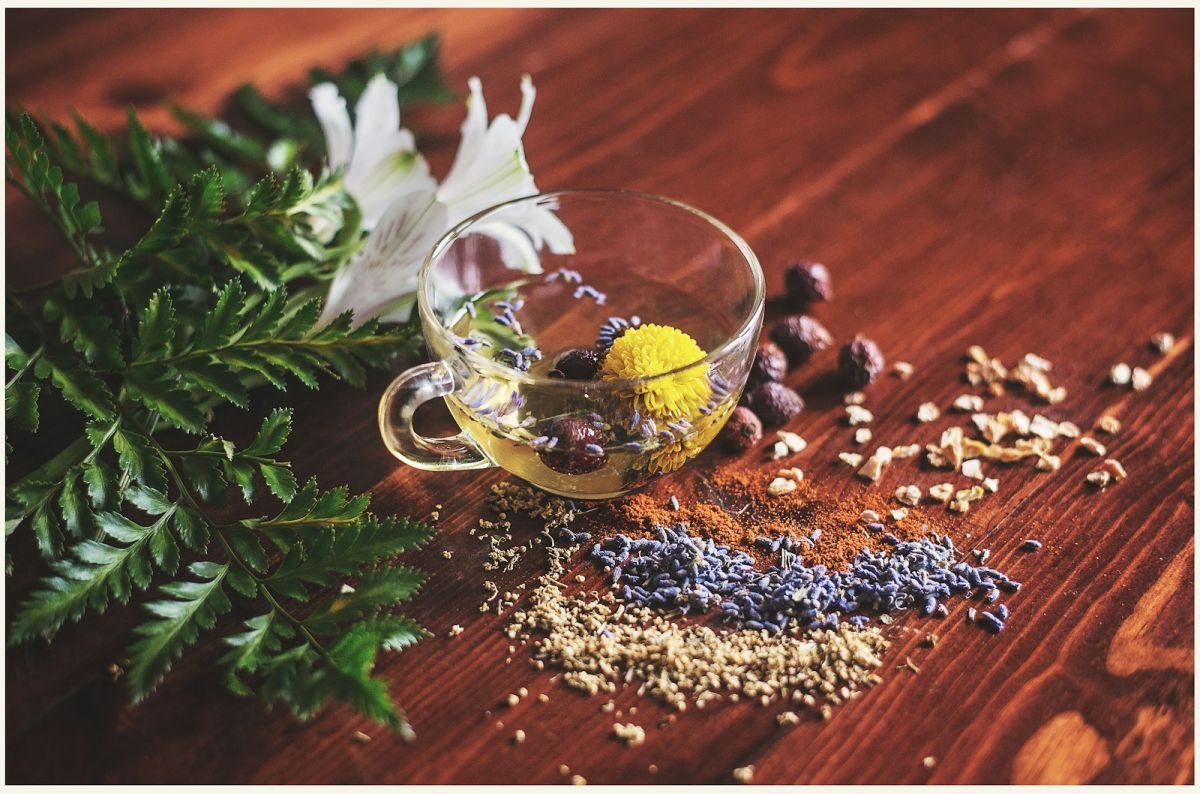
To start your day with a protective boost for your bones, consider a blend of nettle, horsetail, and ginger. Gather dried nettle leaves, dried horsetail, and fresh ginger root. Combine one tablespoon of each herb in a teapot.
Pour boiling water over the herbs and steep for about ten minutes. Strain the mixture into a cup, and add honey for sweetness if desired. Enjoy this tea in the morning as part of your routine.
The combination of these herbs will provide a warming sensation from the ginger, while the nettle and horsetail deliver essential minerals. Expect a refreshing taste that lingers, leaving you energized. Pro Tip: Make a larger batch and refrigerate for iced tea later.
Targeting Acute Pain
If you are experiencing acute discomfort, a tea blend of chamomile, turmeric, and cinnamon can be soothing. Use one chamomile tea bag, one teaspoon of turmeric powder, and a pinch of cinnamon. Boil water and pour it over the ingredients in a mug.
Allow the mixture to steep for about eight minutes. Stir well and enjoy the aromatic blend. This tea can be consumed when pain arises, providing immediate relief.
The warming spices will create a comforting sensation, while the chamomile offers a calming effect. You may feel a gentle warmth radiating through your body as you sip. Pro Tip: Add a dash of black pepper to enhance turmeric absorption.
The Nighttime Routine
For a calming bedtime ritual, a blend of valerian root, lemon balm, and passionflower can be beneficial. Combine one tablespoon of dried valerian root, one tablespoon of dried lemon balm, and half a tablespoon of dried passionflower in a teapot.
Pour boiling water over the herbs and steep for 10 to 15 minutes. Strain and consume before bed. This tea will help relax your mind and body, preparing you for restful sleep.
You may feel a gentle drowsiness settle in as you drink this soothing blend. The calming effects can last throughout the night, allowing for deeper sleep. Pro Tip: Create a calming atmosphere with dim lighting while enjoying your tea.
Common Mistakes to Avoid When Using Herbal Teas
Using Low Quality Herbs
The quality of herbs significantly impacts their effectiveness. Low-grade herbs may contain fewer beneficial compounds and could even introduce harmful substances. Always source herbs from reputable suppliers who provide transparent information about their sourcing and quality control.
Opting for organic or wildcrafted herbs ensures that you are consuming products free from pesticides and additives. Investing in high-quality herbs will enhance the therapeutic benefits of your teas, making them more effective for bone health.
Overlooking Preparation Methods
Improper preparation can diminish the potency of herbal teas. For instance, using boiling water for delicate herbs can destroy their beneficial properties. Always consider the specific requirements of each herb regarding water temperature and steeping time.
By following recommended preparation methods, you maximize the extraction of nutrients and compounds. This attention to detail can lead to more effective teas that better support your health goals.
Ignoring Personal Sensitivities
While many herbs are generally safe, individual sensitivities can vary. Some people may experience allergic reactions or gastrointestinal discomfort from certain herbs. It is essential to listen to your body and consult with a healthcare provider if you have concerns.
Start with small amounts of any new herbal tea to assess your tolerance. Keeping a journal of your experiences can help identify which blends work best for you without adverse effects.
The Mechanisms Behind Bone Health Support
Bone health relies on a complex interplay of nutrients and biological processes. Herbal teas can provide essential vitamins and minerals that promote bone density and overall skeletal health. Key nutrients found in various herbs include calcium, magnesium, and vitamin K, all of which are vital for bone formation and maintenance.
One of the most important compounds for bone health is silica, found abundantly in horsetail. Silica aids in the synthesis of collagen, a crucial protein in bone structure. This compound helps improve bone density and strength, making it essential for those looking to bolster their skeletal framework.
Research has shown that specific herbal compounds can positively influence bone health. For instance, studies on nettle have demonstrated its potential to increase bone mineral density. For more information, you can explore the findings in this PubMed article.
Choosing the Right Product
- Potency: High-potency herbs provide stronger health benefits. Look for products that specify the concentration of active compounds.
- Purity: Ensure that the herbs are free from contaminants. Testing for purity guarantees that you are consuming safe and effective products.
- Form: Loose leaf teas often provide better flavor and potency than tea bags. They allow for greater surface area for extraction, leading to a more effective infusion.
Benefits vs Risks
| The Benefits | Potential Downsides |
|---|---|
| Rich in essential vitamins and minerals. | Possible allergic reactions in sensitive individuals. |
| Natural and holistic approach to health. | Interactions with certain medications. |
| Hydration and relaxation benefits. | Quality varies significantly among products. |
Habits for Optimal Bone Health
Incorporating weight-bearing exercises into your routine boosts bone density. Activities such as walking, dancing, or resistance training stimulate bone growth and strengthen existing bone structure.
A balanced diet rich in calcium and vitamin D is crucial. Foods like leafy greens, nuts, and fortified products complement the benefits of herbal teas, creating a holistic approach to bone health.
Who Should Avoid This?
- Individuals with known allergies to specific herbs.
- People taking anticoagulant medications due to potential interactions.
- Pregnant or breastfeeding women should consult a healthcare provider before use.
- Those with chronic health conditions should seek medical advice before incorporating herbal teas.
Common Questions
Can herbal teas replace medication for bone health?
Herbal teas can be a supportive addition but should not replace prescribed medications without consulting a healthcare provider.
How often should I drink herbal tea for bone health?
Consuming herbal tea daily can provide continuous support for your bone health. Aim for two to three cups per day.
Are there any side effects from herbal teas?
Some individuals may experience mild digestive upset or allergies. It is advisable to start with small amounts to gauge tolerance.
Can I mix different herbal teas?
Yes, blending different herbs can enhance the flavor and benefits. Just ensure that the herbs are compatible and safe to mix.
The Bottom Line
Herbal teas offer a natural and enjoyable way to support bone strength.
- The Truth: Herbal teas should complement a balanced diet and lifestyle.
- The Strategy: Incorporate herbal teas into your morning and evening routines for maximum benefits.
- The Next Step: Start incorporating weight-bearing exercises into your daily habits.
Get Your FREE Natural Health Guide!
Subscribe now and receive our exclusive ebook packed with natural health tips, practical wellness advice, and easy lifestyle changes, delivered straight to your inbox.