
Contents
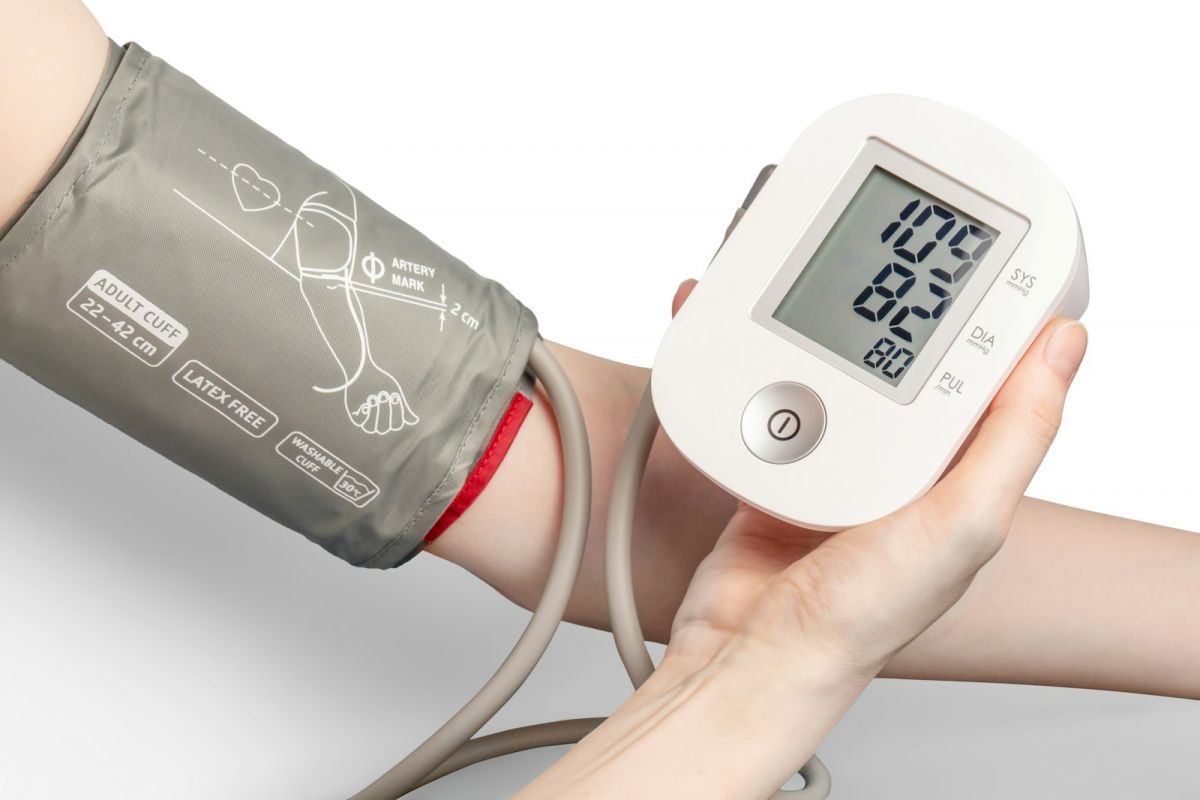
Reading food labels can be a daunting task, especially when it comes to sodium content. High sodium intake is linked to elevated blood pressure, a condition affecting millions worldwide. This connection makes it essential to understand how to read labels effectively. For those looking to manage their blood pressure, making informed choices in the grocery aisle can be transformative.
Understanding sodium levels in food is not just about avoiding salt. It involves recognizing hidden sources of sodium and making conscious decisions to select healthier options. The challenge lies in deciphering the information presented on labels. This guide aims to equip you with the knowledge and tools needed to navigate this complex landscape.
The benefits of monitoring sodium intake extend beyond blood pressure management. Lowering sodium can also lead to improved heart health, reduced risk of stroke, and better overall well-being. By focusing on label reading, you can make smart dietary choices that contribute to long-term health benefits.
This comprehensive guide will break down the specifics of sodium in food labels, practical applications for real-world results, common mistakes to avoid, the underlying science, and much more. Empower yourself with the knowledge to take control of your health and make informed decisions about what you consume.
How to Use Food Labels for Real Results
- Best Form: Packaged Foods
- Best Time: Before Purchasing
- Expected Result: Lower Sodium Intake
Daily Grocery Shopping
The first step is to gather necessary items. Bring a notepad or use a notes app on your phone to jot down sodium content as you go. Focus on packaged foods as these usually have labels. Ensure you have a good understanding of what constitutes low, moderate, and high sodium levels.
As you navigate the aisles, look for the Nutrition Facts panel on the back of the package. Check the sodium content per serving. If a product has over 300 mg of sodium per serving, consider it high. Aim for products with 140 mg or less per serving, which is considered low sodium.
You may feel empowered as you make informed choices. You will likely notice a decrease in your overall sodium intake, which can lead to better blood pressure management. The satisfaction of choosing healthier options can boost your confidence in your dietary decisions.
Pro Tip: Always compare similar products. One brand may have significantly less sodium than another, even in the same category.
Meal Preparation
Begin by gathering ingredients for your meals. Focus on fresh produce, lean proteins, and whole grains. When selecting packaged items like sauces or dressings, scrutinize the labels for sodium content.
Prepare your meals by incorporating low-sodium alternatives. For example, if you are making a stir-fry, choose low-sodium soy sauce or make your own seasoning blend. This approach allows you to control the sodium content while still enjoying flavorful meals.
As you taste your creations, you might feel a sense of accomplishment. The flavors can be vibrant and satisfying, proving that low-sodium meals can also be delicious. This experience reinforces your commitment to healthier eating habits.
Pro Tip: Batch-cook meals for the week. This ensures you have healthy, low-sodium options ready to go.
Dining Out
When dining out, research menus beforehand if possible. Many restaurants provide nutritional information online, including sodium content. Identify dishes that are lower in sodium or ask for modifications.
When ordering, request dressings and sauces on the side. This gives you control over how much you consume. Opt for grilled or baked options instead of fried, as these often have less added sodium.
The feeling of making informed choices while eating out can be liberating. You can enjoy social occasions without compromising your health goals. Each successful outing reinforces your ability to navigate food choices effectively.
Pro Tip: Don’t hesitate to ask waitstaff about sodium content or preparation methods. Most restaurants are accommodating to dietary requests.
Common Mistakes to Avoid
Ignoring Serving Sizes
One common mistake is overlooking serving sizes. Many people assume that the sodium content listed applies to the entire package. This can lead to unintentionally consuming excessive sodium.
Always check the serving size on the label. If a product lists 500 mg of sodium but has a serving size of one cup, and you consume two cups, you are actually getting 1,000 mg. Understanding serving sizes can drastically alter your sodium intake.
To avoid this mistake, consider portioning out your servings. Use measuring cups or a food scale to ensure accuracy. This practice will help you stay within your desired sodium limits.
Focusing Solely on Sodium
Another mistake is concentrating only on sodium content while ignoring other nutritional aspects. Some low-sodium products may be high in sugars or unhealthy fats.
When evaluating a product, look at the entire Nutrition Facts panel. Consider the balance of nutrients, including fiber, sugars, and fats. A product high in sodium but low in other beneficial nutrients may not be the best choice.
To counter this, adopt a holistic view of nutrition. Make sure to assess the overall nutritional value rather than focusing solely on one element. This will lead to better overall dietary choices.
Neglecting Ingredients List
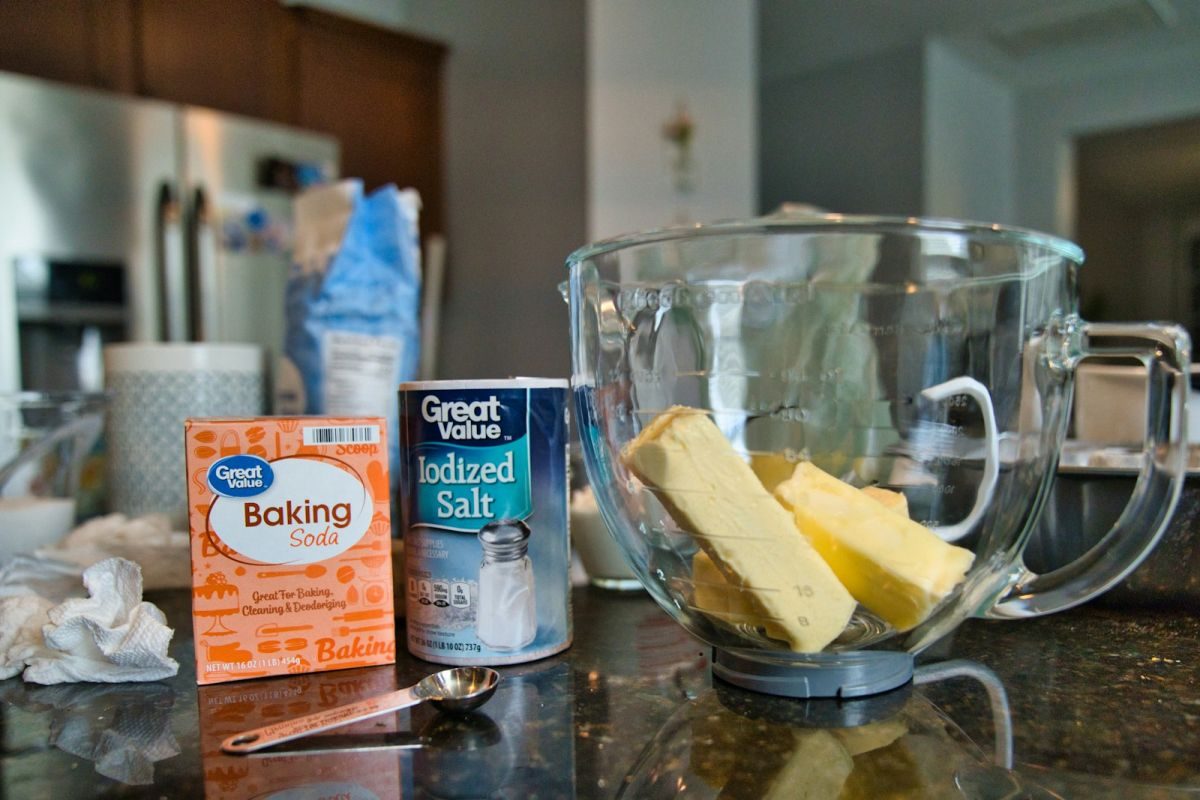
A third mistake is disregarding the ingredients list. Sodium can be hidden in various forms, such as sodium bicarbonate or monosodium glutamate.
Always read the ingredients to identify hidden sources of sodium. Ingredients are listed in order of quantity, so if sodium appears near the top, it indicates a higher concentration.
To avoid this, familiarize yourself with common names for sodium and related compounds. This knowledge will empower you to make smarter choices.
The Mechanism Behind Sodium and Blood Pressure
High sodium intake affects blood pressure through various biological mechanisms. Sodium influences fluid balance in the body. When sodium levels rise, the body retains more water to dilute this sodium. This increase in fluid volume can lead to higher blood pressure.
Key compounds involved in this process include renin and angiotensin. When sodium intake is high, the renin-angiotensin system becomes activated, leading to vasoconstriction and increased blood pressure. Understanding these mechanisms highlights the importance of sodium regulation in dietary choices.
Research supports the link between sodium intake and blood pressure management. Evidence shows that reducing sodium can lead to significant decreases in blood pressure levels. For more detailed insights, refer to this PubMed search for studies on the subject.
Choosing the Right Product
- Potency: The effectiveness of a product often depends on its sodium content. Look for low-sodium options that still provide flavor.
- Purity: Check for products that are free from artificial additives and preservatives. These can often contain hidden sodium.
- Form: Consider the form of the product, whether it’s a liquid, powder, or solid. Some forms may be more concentrated in sodium than others.
Benefits vs Risks
| The Benefits | Potential Downsides |
|---|---|
| Lower blood pressure levels | Potential for bland meals if not prepared correctly |
| Improved heart health | Difficulty in finding suitable low-sodium options in restaurants |
| Better overall well-being | Time-consuming label reading process |
Healthy Lifestyle Choices
Incorporating physical activity into your daily routine can significantly enhance your health. Aim for at least 30 minutes of moderate exercise most days. This can help manage blood pressure and improve overall cardiovascular health.
Mindfulness practices, such as yoga or meditation, can also support your wellness journey. These practices reduce stress, which is beneficial for blood pressure management.
Who Should Avoid This?
– Individuals with existing heart conditions.
– Those on specific medications that interact negatively with sodium.
– People who have been advised by healthcare professionals to limit sodium intake for medical reasons.
Common Questions
What is considered a low-sodium diet?
A low-sodium diet typically limits sodium intake to less than 2,300 mg per day.
How can I reduce sodium in my cooking?
Use fresh herbs and spices instead of salt for flavor.
Are all packaged foods high in sodium?
Not all packaged foods are high in sodium. Many brands offer low-sodium options.
Can I still eat out while managing my sodium intake?
Yes, you can eat out by making informed choices and asking for modifications.
Final Thoughts
Taking control of your sodium intake can significantly impact your health. With the right knowledge and tools, you can make informed choices that support your well-being.
- The Truth: Sodium is often hidden in unexpected foods.
- The Strategy: Read labels diligently before making purchases.
- The Next Step: Incorporate more fresh foods into your diet.
Get Your FREE Natural Health Guide!
Subscribe now and receive our exclusive ebook packed with natural health tips, practical wellness advice, and easy lifestyle changes, delivered straight to your inbox.