
Red Clover Tea and its Potential Role in Supporting Bone Health
Many people explore various natural strategies to support their overall wellness. Among these, the use of herbal infusions holds a long tradition. Red clover tea, derived from the plant Trifolium pratense, is one such botanical often discussed in discussions about maintaining various aspects of health.
For individuals interested in exploring complementary approaches for their vitality, red clover tea for bone density has emerged as a topic of interest. This isn’t about medical intervention, but rather about understanding how certain plant compounds might fit into a broader lifestyle focused on wellness and comfort.
We’ll delve into the components of red clover and how these are generally considered in the context of maintaining bone mineral composition, emphasizing educational information over prescriptive advice. People with underlying conditions often work with a qualified healthcare professional for personalized guidance, and this information is educational and not a substitute for medical advice.
The Historical Use of Red Clover
Red clover’s journey through human history is extensive. Indigenous cultures across various continents recognized its presence and incorporated it into their daily lives. Its distinctive three-lobed leaves and vibrant magenta flowers have been a common sight in meadows and pastures for centuries.
Historically, red clover was not specifically linked to modern concepts of bone density. Instead, it was often used as a general tonic or for seasonal wellness practices. Herbal traditions viewed it as a plant that supported the body’s natural processes, contributing to a sense of balance.
Its widespread availability and distinctive appearance made it a staple in folk traditions. Records from ancient texts and oral histories reveal its application across different cultures, from European herbalism to early American settler practices. It truly holds a place as a foundational herb.
Traditional Observational Insights
- Traditional Uses: General wellness support, seasonal shifts, overall vitality.
- Geographic Origin: Native to Europe, Asia, and northern Africa; naturalized worldwide.
- Key Observations: Valued for its ubiquity and perceived gentle nature in traditional systems.
Ancient Preparation Methods
In bygone eras, preparing red clover for consumption involved simple, rustic methods. Drying the flowers and leaves was a common practice, allowing for storage and year-round availability. These dried botanicals were then steeped in hot water, much like a traditional tea, to extract their soluble compounds.
Unpacking the Phytoestrogens in Red Clover
At the heart of many discussions about red clover’s potential lies a class of compounds known as isoflavones. These are types of phytoestrogens, plant-derived substances that bear a structural resemblance to estrogen, a hormone naturally occurring in the human body. This similarity is what often prompts interest in their interaction with bodily systems.
Red clover is particularly rich in specific isoflavones, including `formononetin`, `biochanin A`, `daidzein`, and `genistein`. These aren’t isolated compounds but part of a complex botanical matrix that works together. Each of these compounds possesses unique properties and may interact with the body in distinct ways.
The term “phytoestrogen” itself points to their plant origin and their mild estrogen-like activity. It’s important to differentiate these plant compounds from human hormones or pharmaceutical estrogens; their interaction is generally considered much less potent and more modulatory in nature. This distinction is foundational to understanding their role in general wellness discussions.
Primary Isoflavones Identified
- Primary Isoflavones: Formononetin, Biochanin A, Daidzein, Genistein.
- Type: Phytoestrogens, specifically isoflavones.
- Notable Characteristic: Structural similarity to human estrogen, enabling interaction with specific receptors.
Biochemical Interaction Overview
These isoflavones are often discussed for their ability to interact with estrogen receptors within the body. This interaction isn’t about replacing or significantly altering hormone levels, but rather about a subtle modulation. Think of it as a key that can fit into a lock, but might not turn it with the same force as the original key.
How Phytoestrogens are Discussed in the Context of Bone Support
The interest in red clover tea for bone density often stems from the general understanding of how hormones, particularly estrogen, are associated with bone health. Bone tissue is in a constant state of flux, with old bone being removed and new bone being formed. This process, known as bone remodeling, is influenced by numerous factors, including hormones.
Phytoestrogens, due to their unique structure, are sometimes explored for their potential to support the maintenance of existing bone mineral composition. They don’t generate new bone, nor do they “treat” conditions related to bone loss. Instead, the discussion centers on how they might complement a lifestyle aimed at supporting the body’s natural ability to maintain structural integrity.
For many, integrating red clover tea into a daily routine is about a proactive approach to overall wellness, including aspects that contribute to a feeling of strength and resilience. It’s considered a gentle, supportive measure within a broader framework of diet, exercise, and lifestyle choices, rather than a targeted intervention for specific bone conditions.
Phytoestrogen Discussion Points
- Key Compound Class: Isoflavones.
- General Mechanism: Discussed for potential mild interaction with estrogen receptors.
- Important Consideration: Focus is on supporting maintenance of bone mineral composition, not treating bone conditions.
Incorporating Into a Wellness Plan
When people consider red clover tea, they often view it as one component of a holistic wellness plan. This plan might include a balanced diet, regular physical activity that supports a sense of mobility, and adequate intake of essential nutrients. It’s about cumulative, gentle support.
Red Clover Tea Preparation and Common Practices
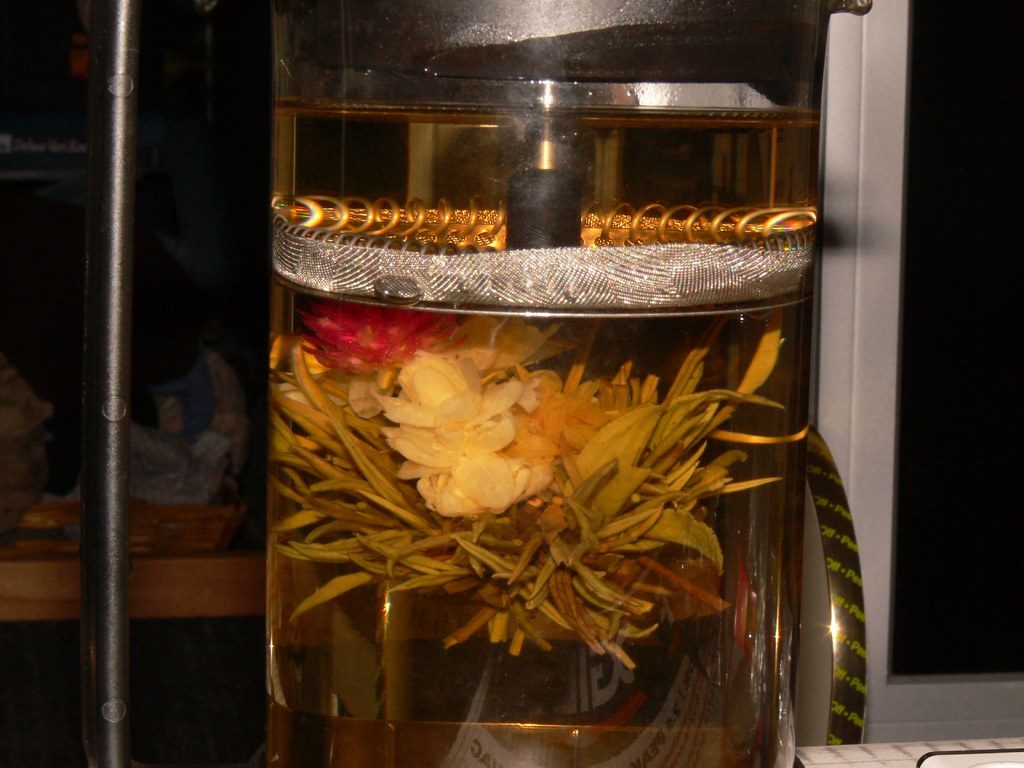
Making red clover tea is a straightforward process, similar to brewing any herbal infusion. The quality of the dried red clover flowers and leaves plays a significant role in the final product. Sourcing organic or wild-harvested material ensures a product free from unwanted pesticides and contaminants.
The standard method involves steeping the dried plant material in hot water. This allows the water to extract the beneficial compounds, including the isoflavones, along with the distinctive flavor and aroma of the herb. Consistency in preparation can lead to a more enjoyable and predictable experience.
Some people prefer to combine red clover with other herbs, such as nettle or oat straw, to create a more complex flavor profile or to enhance the overall nutritional support. Such blends are a common practice in traditional herbalism, reflecting a holistic approach to botanical use.
Optimal Brewing Parameters
- Brewing Temperature: Just off the boil, around 200-212°F (93-100°C).
- Steep Time: 10-15 minutes for a robust infusion.
- Preferred Form: Dried red clover flowers and leaves, loose or in tea bags.
Recommended Infusion Protocol
To prepare your red clover tea, place one to two teaspoons of dried red clover per cup of hot water. Pour the hot water over the herbs and cover the cup to prevent the escape of volatile compounds. Allow it to steep for the recommended duration, then strain and enjoy.
Understanding Different Red Clover Forms
While red clover tea is a popular way to consume the herb, it’s not the only option available. Red clover is also found in other forms, each with its own characteristics and typical applications. Understanding these differences can help individuals choose the form that best aligns with their preferences and wellness objectives.
Tinctures, for instance, are alcohol-based extracts that are more concentrated than a typical tea. They offer convenience and a longer shelf life, often preferred by those who want a more potent or rapid delivery of the herb’s compounds. However, the alcohol content is a consideration for some people.
Standardized extracts, often found in capsule form, represent a different approach. These are designed to contain a specific, measured amount of active compounds, such as isoflavones. This allows for a more consistent intake of these particular constituents, which appeals to those looking for a precise approach.
Here’s a comparison of common red clover forms:
| Form | Description | Typical Use | Considerations |
|---|---|---|---|
| Tea/Infusion | Dried flowers/leaves steeped in hot water. | Gentle daily support, hydration. | Less concentrated, daily preparation required. |
| Tincture | Alcohol-based liquid extract. | Convenient, more concentrated. | Alcohol content, taste may be strong. |
| Standardized Extract | Capsules or tablets with measured isoflavones. | Consistent compound delivery. | Focus on specific compounds, less whole-plant synergy. |
General Lifestyle Strategies for Bone Wellness
Beyond specific herbal considerations, supporting bone wellness is multifaceted. A lifestyle that prioritizes general vitality often includes elements known to contribute to skeletal strength. These strategies work synergistically, offering comprehensive support for the body’s structural framework.
Adequate nutrient intake is foundational. Calcium and vitamin D are widely discussed for their roles in maintaining bone health, but other vitamins and minerals also contribute to this complex system. A balanced diet rich in fruits, vegetables, and whole grains provides a spectrum of essential nutrients.
Regular physical activity, particularly weight-bearing exercises, is another key component. These activities, which can include walking, jogging, or strength training, are associated with maintaining bone mineral composition. They help people feel more comfortable moving and can complement an active lifestyle.
Limiting certain lifestyle factors, such as excessive alcohol consumption and smoking, is also important. These habits can negatively affect various aspects of health, including bone maintenance. Focusing on overall wellness habits creates a supportive environment for bone health.
For more general information on nutrition and bone health, the National Institutes of Health provides detailed resources.
Considerations and General Safety Information
While red clover is generally considered mild, individual responses to botanicals can vary. It’s always a thoughtful approach to consider any new botanical addition to your routine with mindfulness, especially if you have existing health considerations or are exploring other forms of support.
Some individuals may experience mild digestive upset when first introducing red clover tea, though this is not common. Listening to your body and starting with smaller amounts can be a sensible strategy. Most people find it to be a well-tolerated beverage.
Because red clover contains phytoestrogens, people with hormone-sensitive conditions or those exploring hormone-related support options often discuss its use with a qualified healthcare professional. This ensures that any personal considerations are thoroughly addressed and integrated into a personalized wellness plan.
Important Discussion Points
- Common Discussion Points: Mild digestive adjustment, individual variability.
- Who Should Consult: Individuals with hormone-sensitive conditions, those taking certain medications, or pregnant/nursing people.
- General Recommendation: Start with smaller amounts and observe your body’s response.
Personal Wellness Integration
Integrating red clover tea into a wellness approach is about mindful consumption and understanding its place within your broader health strategy. It’s not a standalone solution, but a component that can contribute to overall vitality when used thoughtfully.
Frequently Asked Questions
Can red clover tea replace medical treatments for bone density issues?
Red clover tea is not a medical treatment or a substitute for professional medical advice or prescribed therapies. It is explored as a general wellness support within a holistic lifestyle approach to maintaining health.
How often should one consume red clover tea?
General wellness discussions often involve enjoying red clover tea as a daily beverage, perhaps one to two cups per day. This is a common practice for many herbal infusions. However, individual preferences and specific wellness goals can influence frequency.
Are there specific times of day that are best for drinking red clover tea?
There isn’t a universally “best” time to drink red clover tea for wellness purposes. Some people prefer it in the morning as part of their daily routine, while others enjoy it in the afternoon or evening. Consistency is often more emphasized than timing.
What is the taste profile of red clover tea?
Red clover tea typically has a mild, slightly sweet, and earthy flavor. It is often described as pleasant and mellow, making it a palatable option for those who enjoy herbal infusions. Its subtle taste also blends well with other herbs.
The Bottom Line
Red clover tea offers a gentle, traditional pathway for those interested in exploring natural approaches to overall wellness, particularly concerning the maintenance of bone mineral composition. Its rich history and unique isoflavone content position it as a botanical worth understanding within a proactive health strategy.
While it isn’t a medical treatment, its inclusion in a balanced lifestyle focused on diet, exercise, and mindful living can contribute to a sense of vitality and strength. Remember, this information is educational and not a substitute for medical advice. People with underlying conditions often work with a qualified healthcare professional for personalized guidance.
Consider discussing red clover tea with a qualified healthcare professional to ensure it aligns with your individual health profile and wellness goals.
Get Your FREE Natural Health Guide!
Subscribe now and receive our exclusive ebook packed with natural health tips, practical wellness advice, and easy lifestyle changes, delivered straight to your inbox.