
Contents
Kale, often hailed as a superfood, has garnered significant attention for its numerous health benefits. Among these, its potential role in supporting healthy testosterone levels is particularly noteworthy. Testosterone is a vital hormone that influences various aspects of health including energy levels, muscle mass, mood, and libido. Imbalances in testosterone can lead to a myriad of issues, affecting both physical and mental well-being. Many individuals are seeking natural ways to optimize their hormone levels, and diet plays a crucial role in this endeavor.
Kale is rich in essential nutrients that contribute to overall hormonal balance. The phytonutrients and antioxidants present in kale can combat oxidative stress, which is known to adversely affect testosterone production. Additionally, kale contains specific compounds that may help regulate estrogen levels, thereby promoting a healthier testosterone balance. As the importance of nutrition in hormone regulation becomes increasingly recognized, incorporating nutrient-dense foods like kale into daily meals becomes essential.
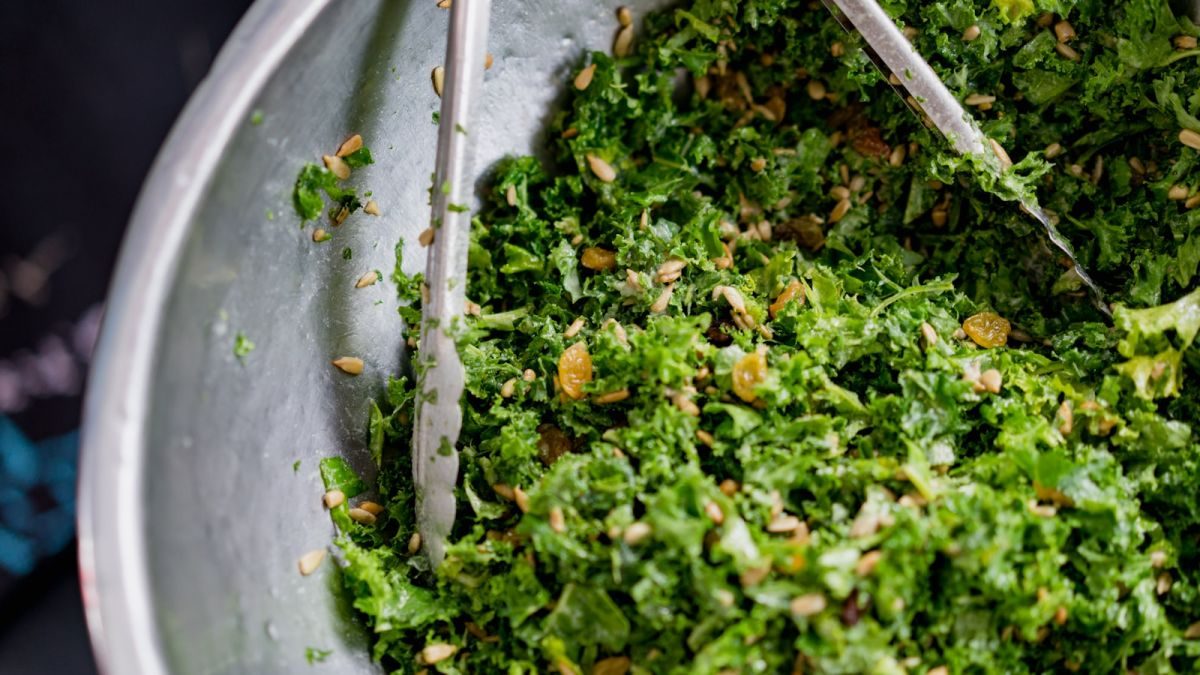
The versatility of kale salad makes it an easy addition to any diet. Whether enjoyed as a side dish, main course, or even a snack, kale salad can be tailored to individual tastes and preferences. Loaded with vitamins and minerals, a simple kale salad can serve as a foundation for a testosterone-boosting meal plan. Understanding how to prepare and consume kale in various forms can empower individuals to take charge of their hormonal health.
This guide delves into the specific benefits of kale salad for testosterone levels, offering practical tips and insights. From preparation techniques to understanding the science behind its beneficial properties, readers will find a comprehensive resource to support their journey toward enhanced hormonal health.
How to Use Kale Salad for Real Results
- Best Form: Fresh, raw kale.
- Best Time: At least three times a week.
- Expected Result: Enhanced energy and improved testosterone balance.
For Daily Protection
The Prep: Start with a base of fresh kale leaves. Use about two cups of chopped kale, removing the tough stems. Add a handful of cherry tomatoes and a quarter of a cup of diced cucumber for extra flavor and hydration. Toss in a tablespoon of olive oil and a squeeze of fresh lemon juice to enhance nutrient absorption.
The Action: In a large bowl, combine the chopped kale, tomatoes, and cucumber. Drizzle the olive oil and lemon juice over the top. Massage the kale gently for about two minutes. This process softens the leaves, making them easier to digest and more palatable. Allow the salad to sit for about five minutes before serving.
The Feeling: Upon eating, you will experience a refreshing crunch. The olive oil adds a rich texture, while the lemon juice offers a zesty kick. The sensation is invigorating, leaving you energized for hours.
Pro Tip: Incorporate nuts or seeds for added protein and healthy fats.
As a Post-Workout Boost
The Prep: Gather two cups of kale, one boiled and chopped egg, and a quarter of an avocado. The egg provides protein, which is essential for muscle recovery, while the avocado adds healthy fats.
The Action: In a bowl, mix the kale with the chopped egg and avocado. Add a tablespoon of balsamic vinegar and season with salt and pepper to taste. Toss everything together until well combined, ensuring the avocado is evenly distributed.
The Feeling: The salad is creamy due to the avocado, providing a satisfying mouthfeel. You will likely feel a sense of fullness without heaviness, making it an ideal post-exercise meal.
Pro Tip: Prepare this salad in advance for quick post-workout nutrition.
For a Hearty Lunch
The Prep: Combine three cups of chopped kale with half a cup of cooked quinoa. Add a quarter cup of shredded carrots and a quarter cup of chickpeas for protein and fiber.
The Action: In a bowl, mix the kale and quinoa together. Add the carrots and chickpeas, then drizzle with tahini dressing. Toss until all ingredients are well coated. Allow the salad to chill for about ten minutes to let the flavors meld.
The Feeling: The combination of textures makes each bite enjoyable. The salad is filling yet light, providing sustained energy without the typical post-lunch slump.
Pro Tip: Experiment with different dressings to keep the salad exciting.
Avoiding Common Missteps
Neglecting Freshness
Using wilted or old kale can significantly diminish the nutritional benefits of your salad. Fresh kale contains more vitamins, minerals, and antioxidants. When kale is past its prime, it may lose its vibrant color and crisp texture. This not only affects the salad’s taste but also its health benefits. Always choose kale that is bright green, firm, and free from brown spots.
To ensure you are using the freshest kale, buy it from local farmers’ markets or reputable grocery stores. Store it in a plastic bag in the refrigerator to maintain its freshness. If you notice any yellowing leaves, remove them immediately to prevent spoilage from spreading.
Overdressing Your Salad
While dressings can enhance flavor, using too much can mask the natural taste of kale and add unnecessary calories. Many commercial dressings contain added sugars and preservatives that can negate the health benefits of your salad. Aim for a balanced dressing that complements the kale without overwhelming it.
To avoid overdressing, start with a small amount. You can always add more if needed. Homemade dressings made with olive oil, vinegar, and spices can offer a healthier option while allowing you to control ingredients.
Ignoring Nutrient Pairing
Not considering the nutritional synergy between ingredients can lead to missed health benefits. Certain nutrients work better together, enhancing absorption and effectiveness. For instance, adding a source of healthy fat, such as avocado or olive oil, can improve the absorption of fat-soluble vitamins found in kale.
To maximize the health benefits of your kale salad, pair it with foods rich in vitamin C, like citrus fruits, which can further boost the absorption of iron from the kale. This combination not only enhances the nutritional profile but also provides a more satisfying meal.
The Mechanism Behind Benefits
Kale contains a variety of compounds that can positively influence testosterone levels. One important mechanism involves its high content of cruciferous compounds, particularly indole-3-carbinol. This compound has been shown to help balance estrogen levels in the body. Elevated estrogen levels can inhibit testosterone production, making this balance crucial for maintaining healthy hormone levels.
Another key compound found in kale is vitamin K. This vitamin plays a significant role in calcium metabolism and bone health, which are essential for overall hormonal balance. Adequate calcium levels are required for testosterone production, making vitamin K-rich foods like kale a vital part of a testosterone-supporting diet.
Clinical research supports the idea that certain vegetables can influence hormone levels positively. A study published in the journal Nutrition and Cancer highlights the role of cruciferous vegetables in regulating estrogen metabolism, which in turn can support testosterone levels. For more detailed information, you can refer to the findings on PubMed.
Choosing the Right Kale Products
– **Potency:** Look for kale that is organic and grown without pesticides. This ensures a higher concentration of nutrients essential for hormone health.
-
Purity: Choose products with no added preservatives or artificial ingredients. This ensures you are consuming the most natural form of kale, maximizing its health benefits.
-
Form: Fresh kale is ideal, but frozen or dehydrated options can also be beneficial. Fresh kale retains the most nutrients, while frozen options can be convenient and maintain their nutritional value.
Pros & Cons of Kale Salad
| The Benefits | Potential Downsides |
|---|---|
| Rich in antioxidants that combat oxidative stress. | May cause digestive discomfort in some individuals. |
| Supports hormonal balance by regulating estrogen levels. | High oxalate content can affect calcium absorption. |
| Loaded with vitamins A, C, and K, promoting overall health. | Flavor may not appeal to everyone. |
Complementary Lifestyle Practices
Incorporating regular exercise can enhance the benefits of a kale-rich diet. Physical activity stimulates testosterone production and improves overall health. Pairing strength training with a nutrient-dense diet can maximize hormonal balance.
Additionally, prioritizing sleep is crucial. Poor sleep quality can lead to hormonal imbalances, including low testosterone levels. Establishing a consistent sleep routine can significantly impact hormonal health.
Who Should Avoid This?
– Individuals with a history of kidney stones due to high oxalate levels in kale.
– Those taking anticoagulant medications should consult a healthcare provider due to vitamin K content.
– People with specific thyroid conditions should be cautious, as kale may interfere with thyroid hormone production.
Common Questions
Can kale salad help with weight loss?
Kale salad can be a low-calorie, nutrient-dense option that supports weight management when incorporated into a balanced diet.
How often should I eat kale for hormonal benefits?
Consuming kale at least three times a week can help support hormone balance and overall health.
Is cooking kale better than eating it raw?
Both raw and cooked kale have unique benefits. Cooking can reduce oxalate levels, while raw kale retains higher amounts of certain nutrients.
Can I mix kale with other greens?
Yes, mixing kale with other greens can enhance flavor and nutritional benefits. This variety can also keep your meals exciting.
The Bottom Line
Incorporating kale salad into your diet can positively impact testosterone levels and overall health.
- The Truth: While kale is beneficial, it should be part of a balanced diet.
- The Strategy: Aim to consume kale salad several times a week for optimal results.
- The Next Step: Consider integrating other nutrient-dense foods to enhance health benefits.
Get Your FREE Natural Health Guide!
Subscribe now and receive our exclusive ebook packed with natural health tips, practical wellness advice, and easy lifestyle changes, delivered straight to your inbox.