
Contents
Many individuals struggle with sleep issues, often finding themselves tossing and turning through the night. Insomnia, characterized by an inability to fall asleep or stay asleep, can lead to significant health problems. Factors such as stress, anxiety, and even poor sleep hygiene contribute to this widespread issue. The mind races with thoughts, making it difficult to unwind and embrace the calming embrace of sleep. Fortunately, there are effective techniques that can help ease the transition into a restful state.
One such technique is the 4-7-8 breathing method, a simple yet powerful practice that can help calm the nervous system and promote relaxation. This method involves inhaling for a count of four, holding the breath for a count of seven, and exhaling for a count of eight. By engaging in this rhythmic breathing, individuals can reduce anxiety and prepare their bodies for sleep. The beauty of this technique lies in its accessibility; it can be practiced anywhere and at any time.
The physiological response triggered by controlled breathing can lead to a decrease in heart rate and blood pressure, creating a state of calm. This guide will delve into the practical applications of the 4-7-8 breathing technique, common mistakes to avoid, the underlying science, and tips for integrating this practice into daily life. By understanding how to effectively use this technique, individuals can take proactive steps towards improving their sleep quality.
Embracing the 4-7-8 breathing method can transform the nightly struggle into a serene journey into sleep. This guide aims to equip you with the knowledge and confidence to harness the power of your breath, paving the way for a more restful night.
How to Use Breath Control for Real Results
- Best Form: Breath control technique
- Best Time: Before bedtime
- Expected Result: Improved sleep onset
Creating a Calming Evening Routine
Begin by setting the atmosphere for relaxation. Dim the lights in your room and eliminate any distractions, such as electronic devices. Consider playing soft music or nature sounds to enhance the calming environment. Find a comfortable position, either sitting or lying down, and take a moment to center your thoughts.
Start the breathing process by inhaling through your nose for a count of four. Focus on filling your lungs completely, allowing your abdomen to expand. Hold your breath for a count of seven, feeling the stillness within. Finally, exhale through your mouth for a count of eight, releasing all tension and stress. Repeat this cycle for four to eight breaths, allowing your mind to quiet.
The sensation of deep, controlled breathing can create a warm, tingling feeling throughout your body. As you continue this practice, you may notice a gradual release of tension in your muscles. This soothing experience can last for several minutes, setting the stage for a peaceful night’s sleep. Pro Tip: Incorporate calming scents, such as lavender, to enhance relaxation.
Utilizing Breathing During Moments of Anxiety
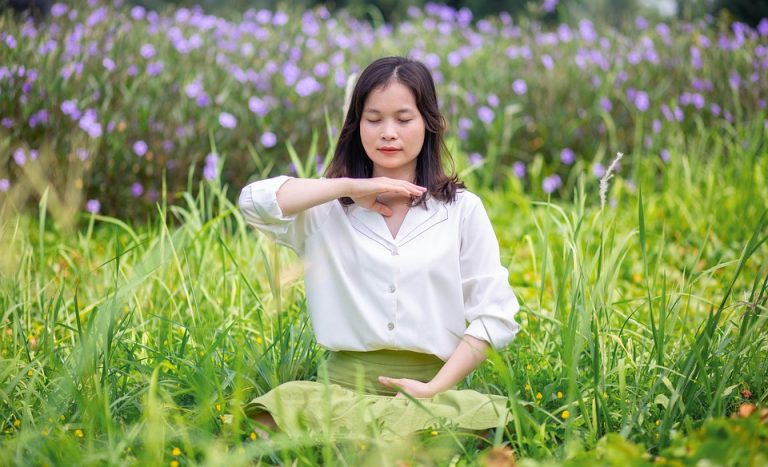
When faced with anxiety, the first step is to identify a quiet space where you can focus without interruptions. Sit comfortably, ensuring that your back is straight and your shoulders are relaxed. Take a moment to acknowledge your feelings before beginning the breathing technique.
Inhale deeply through your nose for four counts, letting your chest rise. Hold your breath for seven counts, allowing your mind to settle. Exhale slowly through your mouth for eight counts, visualizing your worries leaving your body with each breath. Repeat this cycle until you feel a sense of calm wash over you.
This practice can create a profound sense of relief. As you exhale, you may experience a cooling sensation that soothes your nerves. This feeling can last for several minutes, allowing you to regain focus and clarity. Pro Tip: Pair this technique with mindfulness practices for enhanced effects.
Breathing for Enhanced Sleep Quality
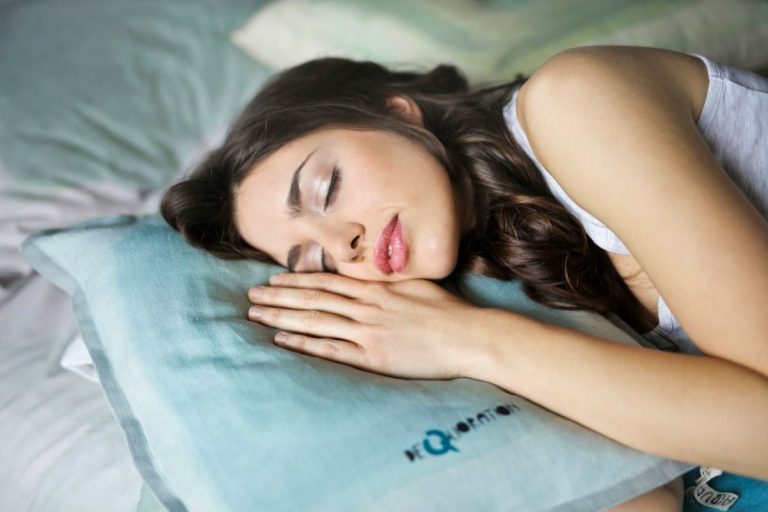
To prepare for sleep, create a serene environment. Ensure your bedroom is cool, dark, and quiet. Consider using blackout curtains or a white noise machine if needed. Lie down in your bed and close your eyes, allowing your body to sink into the mattress.
Begin the breathing exercise by inhaling through your nose for a count of four. Hold your breath for seven counts, focusing on the peaceful environment around you. Finally, exhale through your mouth for a count of eight, releasing any remaining tension. Continue this cycle for several minutes until you feel your body relax deeper into the bed.
As you engage in this practice, you may feel a wave of tranquility envelop you. The rhythmic nature of your breathing can lull you into a state of deep relaxation. This sensation can linger, allowing you to drift off into a restful sleep. Pro Tip: Use this technique consistently to enhance its effectiveness over time.
Common Errors to Avoid in Your Breathing Practice
Neglecting to Create a Relaxing Environment
Many individuals overlook the importance of their surroundings when practicing breathing techniques. A cluttered or noisy environment can lead to distractions, making it difficult to focus. Without a calming atmosphere, the benefits of the technique may be diminished.
To address this mistake, prioritize creating a serene space. Dim the lights, eliminate noise, and remove any distractions. Make your environment conducive to relaxation, which will enhance the effectiveness of your breathing practice. This simple adjustment can lead to more significant results.
Rushing Through the Breathing Process
Another common error is rushing through the breathing technique itself. Many individuals may feel pressured to complete the exercise quickly, which can lead to shallow breaths and increased anxiety. This practice should be approached with mindfulness and patience.
To improve your practice, focus on the quality of each breath rather than the quantity. Take your time with each inhalation, holding, and exhalation. Allow yourself to fully experience the sensations that arise during the process. This mindful approach will enhance the calming effects of the technique.
Inconsistent Practice
Inconsistency can hinder the benefits of any technique, including breathing exercises. Individuals may practice sporadically, leading to a lack of progress in managing anxiety or sleep issues. This variability can result in frustration and diminished effectiveness.
To cultivate a more consistent practice, establish a routine that incorporates the breathing technique into your daily life. Choose specific times for practice, such as before bed or during moments of stress. Consistency will reinforce the habit and enhance its effectiveness over time.
The Science Behind Controlled Breathing
Controlled breathing techniques, such as the 4-7-8 method, activate the parasympathetic nervous system. This system is responsible for promoting relaxation and reducing stress. By consciously regulating your breath, you signal to your body that it is time to relax, leading to decreased heart rate and blood pressure.
The key compound involved in this relaxation response is carbon dioxide. As you hold your breath and exhale slowly, you increase carbon dioxide levels in the blood, which can enhance oxygen delivery to the tissues. This physiological response can lead to a greater state of calm and relaxation.
Research supports the effectiveness of breathing techniques in managing anxiety and improving sleep quality. A study published in the journal PubMed demonstrates that controlled breathing significantly reduces anxiety levels and enhances overall well-being. These findings highlight the potential of breath control as a valuable tool for improving mental health and sleep quality.
Choosing the Right Breathing Technique
- Potency: Look for techniques that emphasize deep, controlled breathing. This enhances relaxation and can lead to better sleep.
- Purity: Ensure that the technique is free from distractions and focuses solely on breath control. This helps maintain the effectiveness of the practice.
- Form: Choose a method that resonates with you, whether sitting or lying down. Comfort is key for successful practice.
Benefits vs Risks
| The Benefits | Potential Downsides |
|---|---|
| Enhances relaxation and reduces stress levels. | May require practice to achieve desired effects. |
| Improves sleep quality and reduces insomnia symptoms. | Not a substitute for medical treatment if sleep issues persist. |
| Accessible and can be practiced anywhere. | May not work for everyone; results can vary. |
Habits to Enhance Your Breathing Practice
Incorporating mindfulness practices into your daily routine can significantly enhance the effectiveness of your breathing technique. Mindfulness can help you stay present and focused, allowing for a more profound relaxation experience. Consider engaging in meditation or yoga to complement your breathing practice.
Regular physical activity can also improve your overall well-being. Exercise promotes better sleep and reduces stress levels, making it easier to engage in your breathing exercises. Aim for at least 30 minutes of moderate exercise most days of the week.
Who Should Avoid This?
- Individuals with respiratory issues such as asthma.
- Those with a history of panic attacks may find this technique triggering.
- People with severe anxiety disorders should consult a healthcare provider before attempting.
Common Questions
How long should I practice the 4-7-8 breathing technique?
Practicing for four to eight cycles is generally recommended. This duration allows for effective relaxation without feeling rushed.
Can I use this technique during the day?
Absolutely. The 4-7-8 breathing technique can be used any time you feel anxious or overwhelmed.
Is it normal to feel lightheaded during practice?
Feeling lightheaded can occur if you are not used to deep breathing. If this happens, reduce the number of cycles and increase gradually.
How quickly can I expect results?
Many individuals report feeling calmer almost immediately. However, consistent practice is key for long-term benefits.
The Final Thoughts
Implementing the 4-7-8 breathing technique can be transformative for those struggling with sleep and anxiety.
- The Truth: Results may vary from person to person.
- The Strategy: Practice this technique consistently, especially before sleep.
- The Next Step: Consider integrating mindfulness practices into your routine.
Get Your FREE Natural Health Guide!
Subscribe now and receive our exclusive ebook packed with natural health tips, practical wellness advice, and easy lifestyle changes, delivered straight to your inbox.