
Contents
The pursuit of optimal health often leads individuals to explore various herbal remedies. Among these, spearmint tea has gained attention for its purported benefits. However, it is crucial to consider the specific implications of consuming spearmint tea, particularly concerning testosterone levels. Testosterone plays a vital role in numerous bodily functions, including muscle mass, energy, and mood regulation. A balanced testosterone level is essential for overall well-being.
Some studies suggest that spearmint tea may have properties that affect hormone levels. This raises questions about its suitability for those seeking to maintain or boost testosterone levels. While herbal remedies can offer benefits, it is important to understand their full impact on hormonal balance. This guide will delve into why you might want to reconsider incorporating spearmint tea into your wellness routine if testosterone optimization is a goal.
Understanding the nuances of herbal effects on hormones can empower individuals to make informed choices. This guide will provide insights into the practical applications of spearmint tea, common mistakes to avoid, the science behind its effects, and alternative strategies for maintaining healthy testosterone levels.
Navigating the world of herbal remedies requires a critical approach. By examining the potential consequences of consuming spearmint tea, individuals can better align their wellness practices with their health goals.
How to Use Spearmint Tea for Real Results
- Best Form: Loose leaf or tea bags
- Best Time: Mid-afternoon
- Expected Result: Mild relaxation and digestive support
For Daily Hydration
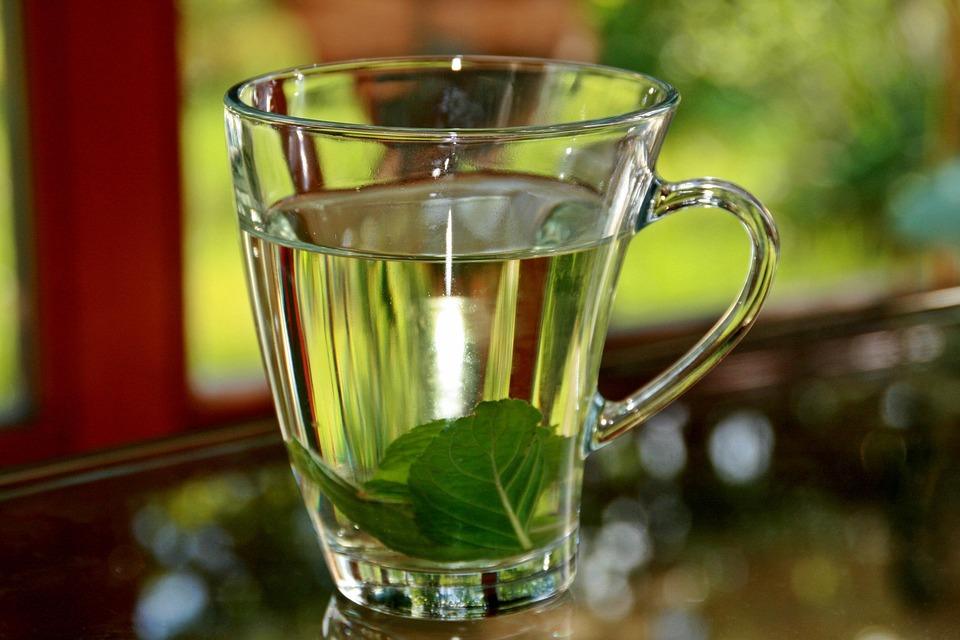
The Prep: Start with high-quality loose leaf spearmint, or opt for organic tea bags. Use fresh, filtered water for the best flavor. A teapot or a simple heat-resistant mug will work well for steeping.
The Action: Boil water to around 200°F, then pour it over the spearmint. Allow it to steep for about five minutes. This extraction time ensures that the beneficial compounds are released. Strain if using loose leaf.
The Feeling: Expect a refreshing, minty taste. The cooling sensation can linger. This drink can promote hydration during the day without excessive caffeine intake.
Pro Tip: Adding a slice of lemon can enhance flavor and provide additional vitamin C.
As a Digestive Aid
The Prep: Gather fresh spearmint leaves or tea bags. If using fresh leaves, rinse them under cool water to remove any dirt.
The Action: Steep the spearmint in boiling water for approximately 10 minutes. This longer steeping time will help extract the essential oils that aid digestion.
The Feeling: The aroma will be invigorating, and the taste should be soothing. You may feel a gentle warmth in your stomach as digestion improves.
Pro Tip: Drinking this tea after meals can enhance its digestive benefits.
In a Relaxation Routine
The Prep: For this application, consider adding spearmint to a calming herbal blend. Combine it with chamomile or lemon balm.
The Action: Boil water and steep the combined herbs for about 7 to 10 minutes. This creates a calming tea perfect for winding down.
The Feeling: The blend should feel soothing and relaxing, with spearmint providing a refreshing twist. This can help ease tension and promote a sense of calm.
Pro Tip: Enjoy this tea an hour before bedtime to prepare for restful sleep.
Common Errors to Avoid
Using Low Quality Herbs
The use of low-quality spearmint can dilute the beneficial effects of this herb. Poor-quality herbs may contain fewer active compounds, reducing their effectiveness. Additionally, low-quality products can introduce contaminants that may harm overall health.
Always seek high-quality, organic spearmint products. Look for reputable brands that provide information about sourcing and quality testing.
Overconsumption
Consuming excessive amounts of spearmint tea can lead to unwanted effects, including digestive discomfort. While moderation is key, some individuals may not realize they are overdoing it, especially if they drink it multiple times a day.
Limit consumption to two to three cups per day. This helps maintain the benefits without overwhelming the system.
Ignoring Personal Sensitivities
Some individuals may be sensitive to spearmint, experiencing reactions such as headaches or digestive upset. Ignoring these signs can lead to negative experiences with the herb.
Listen to your body. If you notice adverse effects, consider reducing intake or discontinuing use altogether.
Understanding the Biological Mechanism
Spearmint contains compounds that may influence hormonal balance. One of the primary mechanisms involves its ability to affect androgen levels. Androgens are hormones that play a key role in male health, including testosterone production.
The key compound in spearmint is rosmarinic acid. This compound has been shown to exhibit anti-androgenic properties. Research indicates that it can reduce testosterone levels in both men and women when consumed in significant amounts.
Clinical evidence supports the notion that spearmint tea can affect testosterone levels. A study published in the journal “Phytotherapy Research” found that men who consumed spearmint tea experienced a decrease in testosterone levels. This highlights the importance of being cautious when considering spearmint as part of a wellness routine. For further information, refer to this PubMed search.
Choosing the Right Product
- Potency: Higher potency ensures that you receive the maximum benefits. Look for products that specify the amount of active compounds.
- Purity: A pure product is free from additives and contaminants. This matters for both effectiveness and safety.
- Form: Loose leaf often provides a fresher taste and more potent benefits compared to pre-packaged tea bags.
Benefits vs Risks
| The Benefits | Potential Downsides |
|---|---|
| Mild digestive support | Possible reduction in testosterone levels |
| Refreshing taste | May cause headaches in sensitive individuals |
| Calming effects | Overconsumption can lead to digestive discomfort |
Habits for Optimal Health
Incorporating regular exercise can significantly boost testosterone levels. Resistance training and high-intensity interval training are particularly effective.
Maintaining a balanced diet rich in healthy fats, proteins, and micronutrients supports overall hormonal health. Foods like avocados, nuts, and leafy greens play a crucial role.
Who Should Avoid This?
– Individuals with hormone-sensitive conditions
– Pregnant or breastfeeding women
– Those taking medications that affect hormone levels
– People with allergies to mint family plants
Common Questions
Can spearmint tea lower testosterone levels?
Yes, studies suggest that spearmint tea may have anti-androgenic effects, potentially lowering testosterone levels.
How often can I drink spearmint tea?
It is advisable to limit intake to two to three cups per day to avoid potential downsides.
What are the benefits of spearmint tea?
Spearmint tea can provide digestive support, refreshing hydration, and calming effects.
Should I combine spearmint tea with other herbs?
Combining spearmint with calming herbs like chamomile can enhance relaxation effects.
The Bottom Line
Understanding the implications of consuming spearmint tea is essential for those focused on testosterone levels.
- The Truth: Spearmint tea may reduce testosterone levels.
- The Strategy: Use it sparingly, preferably in moderation.
- The Next Step: Consider incorporating other herbs that support hormonal balance.
Get Your FREE Natural Health Guide!
Subscribe now and receive our exclusive ebook packed with natural health tips, practical wellness advice, and easy lifestyle changes, delivered straight to your inbox.