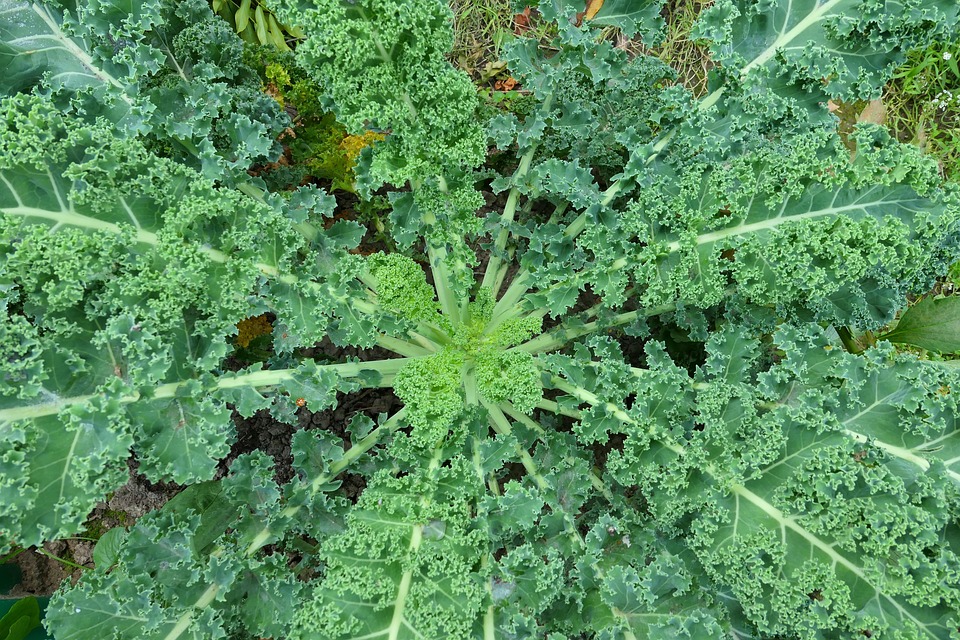

Kale has emerged as a nutritional powerhouse in recent years, capturing attention for its impressive array of health benefits. One area that is often overlooked is its potential role in enhancing bone density. As populations age, the risk of osteoporosis and fractures increases, making it crucial to explore natural strategies for maintaining strong bones. The solution lies not only in lifestyle changes but also in the food we consume.
This leafy green is packed with essential nutrients that play a vital role in bone health. Understanding how to incorporate kale into your diet can empower you to take proactive steps toward stronger bones. This guide delves into the mechanisms behind kale’s benefits and offers practical strategies to harness its full potential for bone density support.
Kale is rich in calcium and vitamin K, both of which are essential for bone health. Additionally, the presence of magnesium and phosphorus in kale contributes to the overall strength and density of bones. As you read on, you will discover how to effectively utilize kale’s properties to enhance your bone health naturally.
Incorporating kale into your daily routine is not just about eating more greens. It involves understanding the right forms and timings to maximize its benefits. By the end of this guide, you will have a comprehensive understanding of how kale can become an integral part of your journey to stronger bones.
Contents
How to Use Kale for Real Results
- Best Form: Fresh or steamed kale.
- Best Time: During meals for enhanced absorption.
- Expected Result: Improved bone density over time.
For Daily Protection
The Prep: Start with fresh kale, preferably organic. You will also need olive oil, garlic, lemon juice, and salt. Gather a large bowl and a salad spinner for washing the kale.
The Action: Rinse the kale thoroughly to remove any dirt. Remove the thick stems and tear the leaves into bite-sized pieces. In a bowl, mix olive oil, minced garlic, lemon juice, and a pinch of salt. Toss the kale in this dressing until evenly coated. Let it sit for about 10 minutes to allow the flavors to meld.
The Feeling: Upon consuming this salad, you will experience a refreshing crunch. The olive oil adds a smooth texture, while the garlic provides a mild zing. You may feel a sense of fullness and satisfaction that lasts for several hours.
Pro Tip: Pair this salad with a source of protein like grilled chicken or chickpeas for a balanced meal.
In a Smoothie Boost
The Prep: Gather fresh kale, a banana, Greek yogurt, almond milk, and a scoop of protein powder. Prepare a blender and a glass for serving.
The Action: Wash the kale and remove the stems. In the blender, combine kale, banana, Greek yogurt, almond milk, and protein powder. Blend until smooth. If the mixture is too thick, add more almond milk to achieve your desired consistency.
The Feeling: The smoothie will have a creamy texture with a hint of sweetness from the banana. You will likely feel energized shortly after consuming it, making it an excellent option for breakfast or a post-workout snack.
Pro Tip: Add a tablespoon of chia seeds for an extra boost of omega-3 fatty acids.
As a Savory Side Dish
The Prep: Collect fresh kale, olive oil, garlic, red pepper flakes, and lemon zest. You will need a skillet and a spatula for cooking.
The Action: Heat olive oil in the skillet over medium heat. Add minced garlic and red pepper flakes, sautéing until fragrant. Add the kale and toss until it wilts, which usually takes about 3 to 5 minutes. Finish with a sprinkle of lemon zest for added flavor.
The Feeling: The sautéed kale will have a tender yet slightly crisp texture. The garlic and red pepper flakes will create a warm sensation, while the lemon zest adds brightness. This dish can complement any main course and leave you feeling satisfied.
Pro Tip: Serve this dish alongside fish or whole grains for a nutrient-rich meal.
Common Mistakes to Avoid
Overcooking the Kale
Overcooking kale can lead to a loss of essential nutrients. When kale is cooked for too long, it loses its vibrant color and valuable vitamins, particularly vitamin K. To preserve its nutrient content, aim for quick cooking methods such as steaming or sautéing.
Instead of boiling kale for an extended period, opt for blanching. This method involves briefly placing the kale in boiling water before transferring it to an ice bath. This technique keeps the kale bright green and retains more nutrients.
Neglecting Variety
Focusing solely on kale while ignoring other leafy greens can limit nutritional diversity. While kale is excellent for bone health, incorporating other greens like collard greens or bok choy will provide a broader range of nutrients.
Mixing various greens in salads or smoothies not only enhances flavor but also ensures a more comprehensive nutrient intake, crucial for overall health and bone density.
Ignoring Preparation Methods
Some individuals consume kale raw without considering its digestibility. Raw kale can be tough and fibrous, making it harder for the body to absorb its nutrients. Cooking can help break down the fibers, making the nutrients more bioavailable.
To enjoy the benefits of kale without compromising digestibility, consider lightly steaming or massaging it with olive oil. This method softens the leaves, making them easier to chew and digest.
The Science Behind Kale’s Benefits
Kale’s impact on bone density is largely attributed to its rich nutrient profile. Calcium is a primary component of bone tissue, and adequate intake is necessary for maintaining bone strength. Vitamin K plays a crucial role in calcium metabolism, helping to bind calcium to the bone matrix.
The key compound in kale that supports bone health is glucosinolates. These sulfur-containing compounds have been shown to reduce the risk of bone loss. They also exhibit anti-inflammatory properties, which can further protect bone integrity.
Clinical evidence supports the benefits of leafy greens like kale for bone health. A study published in the Journal of Bone and Mineral Research indicates that higher consumption of green leafy vegetables correlates with increased bone mineral density. For more details, visit PubMed.
Choosing the Right Product
– **Potency:** Look for kale that is fresh and vibrant. Fresh kale contains more nutrients than older, wilted leaves.
-
Purity: Select organic kale to minimize exposure to pesticides. Organic produce often has higher nutrient density, contributing to better health outcomes.
-
Form: Fresh kale is ideal, but frozen kale can also retain many nutrients. When choosing frozen options, check for minimal processing and no added ingredients.
Pros & Cons
| The Benefits | Potential Downsides |
|---|---|
| Rich in calcium and vitamins essential for bone health. | May cause digestive issues for some individuals if consumed in large quantities. |
| High in antioxidants that combat inflammation. | Raw kale can be difficult to digest for some people. |
| Versatile and easy to incorporate into various dishes. | Some individuals may be allergic or intolerant to cruciferous vegetables. |
Habits for Enhanced Bone Health
Regular weight-bearing exercises are essential for maintaining bone density. Activities like walking, dancing, or resistance training stimulate bone growth and strength.
Adequate hydration also plays a role in bone health. Water supports nutrient transport and helps maintain the structural integrity of bones. Aim for at least eight glasses of water daily, especially when consuming high-fiber foods like kale.
Who Should Avoid This?
– Individuals with kidney issues, as high oxalate levels in kale may exacerbate conditions.
– Those on anticoagulant medications, since vitamin K can interfere with blood-thinning medications.
– People with specific allergies or intolerances to cruciferous vegetables should exercise caution.
Common Questions
Is kale better raw or cooked for bone health?
Cooking kale can enhance nutrient absorption, particularly for those sensitive to raw vegetables.
How much kale should I eat for optimal benefits?
Aim for at least one cup of cooked kale or two cups of raw kale several times a week to support bone health.
Can I substitute kale with other greens?
Yes, other leafy greens like collard greens or spinach can provide similar benefits for bone density.
Are there any side effects of eating too much kale?
Excessive consumption may lead to digestive discomfort and could interfere with certain medications.
The Bottom Line
Incorporating kale into your diet can significantly contribute to enhancing bone density.
- The Truth: While kale offers many benefits, it should be part of a balanced diet.
- The Strategy: Consume it with other nutrient-rich foods for maximum impact.
- The Next Step: Experiment with different recipes to find enjoyable ways to include kale in your meals.
Get Your FREE Natural Health Guide!
Subscribe now and receive our exclusive ebook packed with natural health tips, practical wellness advice, and easy lifestyle changes, delivered straight to your inbox.