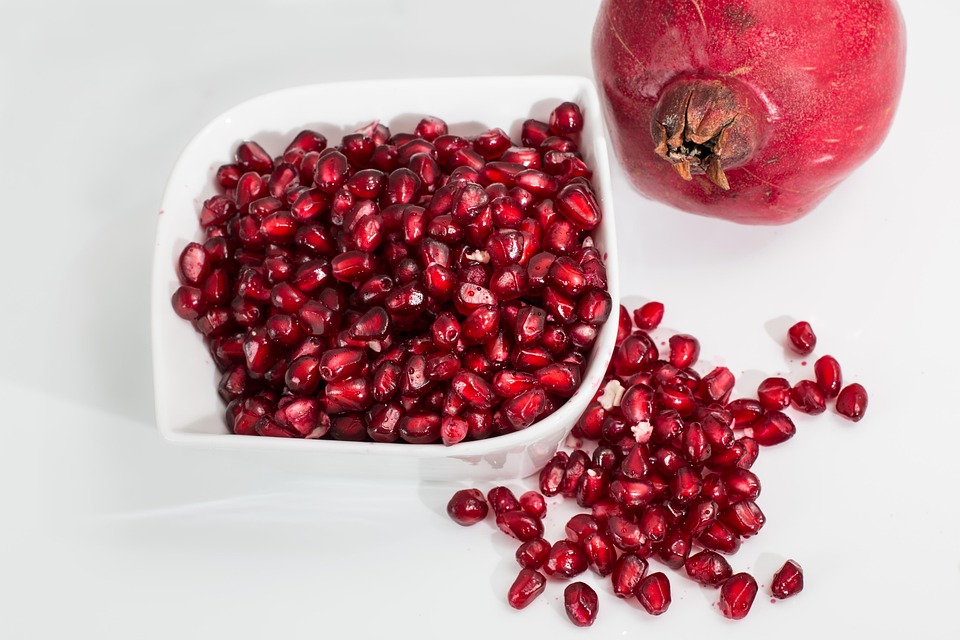

Pomegranate juice has emerged as a noteworthy contender in the realm of natural remedies for joint health. Many individuals face discomfort due to conditions like arthritis, which can significantly impair mobility and quality of life. Seeking relief often leads to a myriad of treatments, some of which may come with unwanted side effects. This is where the potential of pomegranate juice shines as a natural alternative. Its rich antioxidant properties and anti-inflammatory effects provide a refreshing and effective solution for those struggling with joint issues.
The journey toward improved joint health often requires a multifaceted approach, combining dietary changes with lifestyle adjustments. Pomegranate juice stands out not only for its health benefits but also for its palatable taste, making it an easy addition to daily routines. By understanding how to incorporate this juice into one’s diet effectively, individuals can take proactive steps toward alleviating joint discomfort.
Research has increasingly validated the health benefits of pomegranate juice, showcasing its ability to combat inflammation and oxidative stress. These factors are crucial in joint health, as inflammation can exacerbate pain and mobility issues. The juice is not merely a beverage; it is a powerful ally that can be utilized in various forms to enhance overall well-being.
As more people gravitate towards holistic health practices, pomegranate juice offers a compelling option. Embracing this natural remedy can lead to improved joint function and a more active lifestyle. This guide delves into practical applications, scientific evidence, and essential tips for making the most of this vibrant juice.
Contents
How to Use Pomegranate Juice for Real Results
- Best Form: Freshly squeezed or 100% pure juice
- Best Time: Morning on an empty stomach
- Expected Result: Reduced joint inflammation and pain
For Daily Protection
The Prep: Begin your day with a refreshing start by preparing freshly squeezed pomegranate juice. Gather ripe pomegranates, a juicer, and a fine mesh strainer. This setup ensures you extract the maximum juice while filtering out any pulp that may alter the texture.
The Action: Cut the pomegranates in half and use the juicer to extract the juice. If using a manual method, gently press the halves to release the juice into a container. Strain the juice to remove any remaining pulp, then serve it chilled for a delightful morning beverage.
The Feeling: Upon consuming the juice, you may experience a burst of freshness. The tart yet sweet flavor invigorates the palate. The sensation of hydration will linger, enhancing your overall sense of well-being throughout the day.
Pro Tip: Add a splash of lemon juice for an extra boost of vitamin C and flavor.
Targeting Acute Pain
The Prep: For acute pain relief, consider creating a soothing pomegranate smoothie. In addition to pomegranate juice, gather spinach, banana, and a small piece of ginger. These ingredients complement the juice and enhance its anti-inflammatory properties.
The Action: In a blender, combine one cup of pomegranate juice, a handful of spinach, one banana, and a teaspoon of grated ginger. Blend until smooth, ensuring all ingredients are well incorporated. Pour into a glass and enjoy immediately for optimal nutrient retention.
The Feeling: The smoothie delivers a creamy texture with a hint of spiciness from the ginger. You may feel a warming sensation in your joints as the anti-inflammatory properties begin to work. This blend not only soothes but also energizes your body.
Pro Tip: Freeze pomegranate seeds and use them as ice cubes in your smoothie for a refreshing twist.
The Nighttime Routine
The Prep: Wind down your day with a calming pomegranate herbal tea. Gather dried hibiscus flowers, pomegranate juice, and honey. This combination creates a soothing evening ritual that supports joint health.
The Action: Boil water and steep a teaspoon of dried hibiscus flowers for about five minutes. Afterward, strain the tea into a cup and mix in one tablespoon of pomegranate juice and a drizzle of honey for sweetness. Enjoy this comforting beverage before bed.
The Feeling: As you sip the warm tea, you may notice a gentle warmth spreading through your body. The combination of flavors creates a calming effect, preparing you for restful sleep while supporting joint recovery during the night.
Pro Tip: Consider drinking this tea at least one hour before bedtime for optimal relaxation.
Mistakes to Avoid When Using Pomegranate Juice
Using Processed Juices
Many individuals opt for convenience by choosing processed pomegranate juices that may contain added sugars or preservatives. This choice can dilute the health benefits of pomegranate. Processed options often lack the essential nutrients and antioxidants found in freshly squeezed juice. To maximize benefits, always select 100% pure juice or prepare it fresh.
The solution is straightforward. Invest in a quality juicer or purchase pomegranates to juice at home. This ensures you receive a concentrated source of antioxidants that can effectively combat inflammation.
Ignoring Consistency
Another common mistake is using pomegranate juice sporadically rather than incorporating it consistently into one’s diet. Joint health requires ongoing support, and occasional consumption may not yield the desired results. Infrequent use can lead to missed opportunities for relief and improvement.
To counter this, establish a daily routine that includes pomegranate juice. Whether it is part of breakfast, a post-workout smoothie, or an evening tea, consistency is key to experiencing the full benefits for joint health.
Neglecting Dietary Balance
Focusing solely on pomegranate juice while neglecting overall dietary balance is a critical error. While this juice is beneficial, relying on it exclusively can lead to nutrient deficiencies. A holistic approach to joint health involves a well-rounded diet rich in various fruits, vegetables, whole grains, and healthy fats.
The solution lies in integrating pomegranate juice into a diverse diet. Pair it with other anti-inflammatory foods such as fatty fish, nuts, and leafy greens. This comprehensive approach enhances overall health and maximizes the benefits of pomegranate juice.
The Science Behind Pomegranate Juice
Understanding the biological mechanisms underlying pomegranate juice’s benefits for joint health reveals its effectiveness. The juice contains compounds that inhibit inflammatory pathways. These pathways are often activated in conditions like arthritis, leading to increased pain and swelling. By targeting these pathways, pomegranate juice can reduce inflammation and improve joint function.
The key compound responsible for these effects is punicalagins. These potent antioxidants are known for their ability to scavenge free radicals and reduce oxidative stress. This action is crucial because oxidative stress can exacerbate joint pain and contribute to degenerative conditions. Consuming pomegranate juice regularly can help combat these negative effects.
Clinical evidence supports the use of pomegranate juice for joint health. A study published in the journal “Clinical Nutrition” demonstrated significant reductions in inflammatory markers among participants who consumed pomegranate extract. This evidence highlights the juice’s potential as a natural remedy for joint pain and inflammation. For more detailed information, refer to this link: PubMed Search.
Choosing the Right Product
- Potency: Look for products that specify the concentration of active compounds. Higher potency often translates to better results.
- Purity: Select juices that are 100% pure without added sugars or preservatives. This ensures you receive the full benefits of the fruit.
- Form: Consider whether you prefer juice, capsules, or extracts. Each form has its advantages, depending on your lifestyle and preferences.
Pros & Cons of Pomegranate Juice
| The Benefits | Potential Downsides |
|---|---|
| Rich in antioxidants that combat inflammation | May cause digestive discomfort in some individuals |
| Supports joint health and mobility | Some commercial juices may contain added sugars |
| Easy to incorporate into daily routines | Not a substitute for medical treatment when needed |
Habits for Enhanced Benefits
Incorporating regular physical activity into your routine can significantly enhance the benefits of pomegranate juice. Exercise promotes joint flexibility and strength, complementing the anti-inflammatory properties of the juice.
Maintaining a balanced diet rich in omega-3 fatty acids can also synergize with pomegranate juice. Foods like salmon, walnuts, and flaxseeds can help reduce inflammation and improve joint health.
Who Should Avoid This?
– Individuals with pomegranate allergies
– Those taking medications that may interact with pomegranate juice
– People with certain digestive disorders
Common Questions
Can pomegranate juice help with arthritis?
Yes, pomegranate juice has anti-inflammatory properties that can help alleviate symptoms of arthritis.
How much pomegranate juice should I drink daily?
A daily serving of 8 to 12 ounces is generally recommended for health benefits.
Is it safe for children to consume pomegranate juice?
Yes, but it should be given in moderation, considering the sugar content.
Can I use pomegranate juice as a supplement?
Pomegranate juice can complement a balanced diet but should not replace prescribed medications without consulting a healthcare provider.
The Bottom Line
Pomegranate juice can be a valuable addition to your wellness routine for joint health.
- The Truth: It is not a cure-all and should be part of a broader health strategy.
- The Strategy: Incorporate it into your morning routine for optimal benefits.
- The Next Step: Pair it with regular exercise and a balanced diet for enhanced results.
Get Your FREE Natural Health Guide!
Subscribe now and receive our exclusive ebook packed with natural health tips, practical wellness advice, and easy lifestyle changes, delivered straight to your inbox.