Walnuts and omega-3 fatty acids are emerging as powerful allies in the quest for muscle gain and overall health. Many individuals struggle to achieve their fitness goals, often overlooking nutritional elements that can significantly impact performance and recovery. As the fitness community becomes increasingly aware of the importance of diet, walnuts stand out due to their unique combination of healthy fats, proteins, and essential nutrients. Incorporating these nutrient-dense nuts into your regimen can offer substantial advantages for muscle growth and recovery.


The challenge many face is not just building muscle but doing so in a way that promotes overall wellness. Traditional protein sources often come with added fats or cholesterol, which can hinder health. Walnuts provide a plant-based alternative, rich in omega-3 fatty acids, which play a crucial role in reducing inflammation and enhancing muscle recovery. This makes them particularly appealing for athletes and fitness enthusiasts striving for optimal performance.
Understanding how to integrate walnuts and omega-3s into your diet can be transformative. It is essential to recognize the potential benefits these components offer, such as improved muscle protein synthesis, better recovery times, and enhanced overall health. The synergy of walnuts and omega-3s can lead to a more effective approach to fitness, allowing individuals to not only build muscle but also maintain a balanced and healthy lifestyle.
This guide will delve into the practical applications, scientific evidence, common pitfalls, and overall benefits of incorporating walnuts and omega-3s into your muscle-building strategy. By the end, you will be equipped with the knowledge to enhance your gains while promoting your overall health.
Contents
How to Use Walnuts and Omega-3s for Real Results
- Best Form: Whole walnuts or walnut oil
- Best Time: Post-workout or as a snack
- Expected Result: Enhanced muscle recovery and growth
For Daily Nutritional Support
The Prep: Start with a handful of whole walnuts. You may also choose to incorporate walnut oil into your meals. Aim for about one ounce, which contains roughly 185 calories and 18 grams of fat.
The Action: Consume walnuts as a snack between meals or add them to your salads, smoothies, or oatmeal. If using walnut oil, drizzle it over cooked vegetables or mix it into salad dressings. Make it a daily habit.
The Feeling: Expect a satisfying crunch and a rich, nutty flavor. The healthy fats will provide a feeling of fullness and sustained energy for several hours.
Pro Tip: Soaking walnuts overnight can enhance their digestibility and nutrient absorption.
Post-Workout Recovery
The Prep: Gather walnuts, Greek yogurt, and a drizzle of honey. This combination will provide protein, healthy fats, and carbohydrates.
The Action: After your workout, mix a serving of Greek yogurt with a handful of chopped walnuts and a small amount of honey. Consume this within 30 minutes post-exercise to maximize recovery.
The Feeling: This combination will leave you feeling replenished and energized. The creamy yogurt balances the crunch of walnuts, making for a delightful treat that aids in muscle recovery.
Pro Tip: Pair this snack with a glass of water or a sports drink for optimal hydration.
The Evening Wind Down
The Prep: Prepare a small bowl of walnuts and herbal tea. Choose a calming tea, like chamomile or peppermint, to complement the walnuts.
The Action: As part of your evening routine, enjoy the walnuts alongside your herbal tea. This will help to relax your body after a long day of training.
The Feeling: The calming effects of the tea combined with the nutrient density of the walnuts will promote relaxation. You may feel a sense of tranquility as you wind down for the day.
Pro Tip: Limit walnut intake to a small portion in the evening to avoid excess calories before bed.
Avoiding Common Pitfalls
Neglecting Portion Control
Overindulging in walnuts can lead to excessive calorie intake. While they are nutrient-dense, their high-fat content can add up quickly. A common mistake is failing to measure out servings, leading to unintended weight gain.
To avoid this, use a small food scale or measuring cups to ensure you are consuming an appropriate portion. Stick to one ounce, roughly 14 halves, to keep your calorie intake in check while still benefiting from their nutrients.
Ignoring Omega-3 Ratios
While walnuts are rich in omega-3 fatty acids, they also contain omega-6 fatty acids. The balance between these two types of fats is crucial for optimal health. Consuming too many omega-6 rich foods can lead to inflammation and hinder muscle recovery.
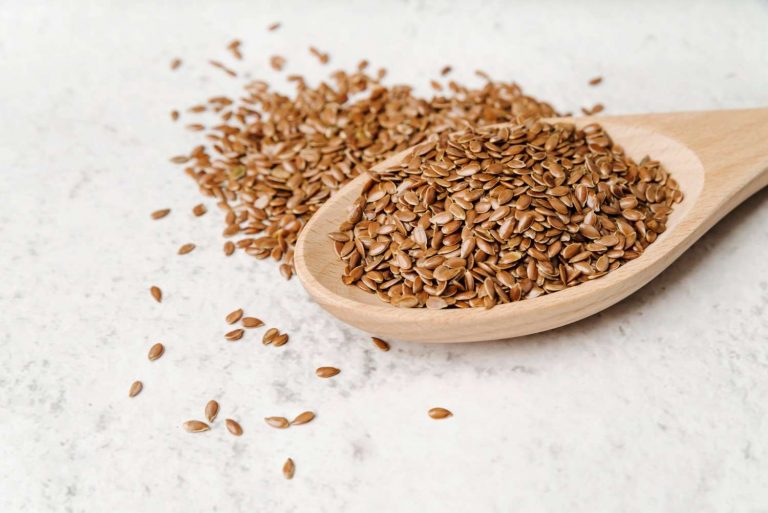
To maintain a healthy ratio, focus on integrating other omega-3 sources such as fatty fish, flaxseeds, or chia seeds into your diet. This will help to balance your intake and maximize the anti-inflammatory benefits of omega-3s.
Using Unsuitable Oils
Many individuals mistakenly use cooking oils that do not retain their nutritional value when heated. For instance, walnut oil is best used in dressings or drizzled over dishes rather than for frying. Heat can degrade its beneficial properties.
To ensure you are maximizing the health benefits, use walnut oil cold or in low-heat cooking scenarios. This preserves its nutrient profile, allowing you to reap all the benefits.
The Science Behind Muscle Gains
The biological mechanism of muscle gain revolves around protein synthesis. Walnuts contribute to this process by providing essential amino acids, along with omega-3 fatty acids, which reduce inflammation and promote recovery. Omega-3s play a role in the signaling pathways that regulate muscle protein synthesis, making them critical for those engaging in resistance training.
Alpha-linolenic acid (ALA) is the key omega-3 fatty acid found in walnuts. ALA has been shown to improve cardiovascular health and reduce muscle soreness after exercise. This not only aids in muscle recovery but also enhances overall physical performance.
For clinical evidence supporting the benefits of omega-3s in muscle recovery, refer to this study: Omega-3 and Muscle Recovery. This research highlights the importance of omega-3s in reducing inflammation and improving recovery times, reinforcing the value of incorporating walnuts into your diet.
Choosing the Right Product
-
Potency: Look for walnuts that are raw and unsalted. This ensures you are getting the maximum health benefits without added sodium or preservatives.
-
Purity: Organic walnuts are preferable as they are less likely to contain pesticides. This enhances your overall health by reducing exposure to harmful chemicals.
-
Form: Whole walnuts or walnut oil are the best forms. Whole walnuts provide fiber and protein, while walnut oil offers a concentrated source of omega-3s.
Benefits vs Risks
| The Benefits | Potential Downsides |
|---|---|
| Rich in omega-3 fatty acids that promote heart health. | High in calories, which can lead to weight gain if consumed in excess. |
| Supports muscle recovery and reduces inflammation. | Some individuals may experience allergies. |
| Provides essential nutrients and antioxidants. | Can be costly compared to other protein sources. |
Habits for Enhanced Results
Incorporating physical activity into your routine is essential. Regular strength training not only stimulates muscle growth but also enhances the absorption of nutrients from food. Pairing exercise with a nutrient-rich diet amplifies the effects of both.
Mindfulness can also play a role in your eating habits. Being aware of your food choices and portion sizes can lead to better dietary decisions. Practicing mindfulness during meals can enhance your relationship with food and improve your overall dietary quality.
Who Should Avoid This?
- Individuals with nut allergies should avoid walnuts entirely.
- Those on blood-thinning medications should consult a healthcare provider due to the potential blood-thinning effects of omega-3s.
- People with specific dietary restrictions may need to consider alternative sources for omega-3 fatty acids.
Common Questions
How many walnuts should I eat daily for muscle gain?
A daily serving of one ounce is recommended for optimal benefits without excessive calorie intake.
Can I use walnut oil for cooking?
Walnut oil is best used in cold dishes or low-heat applications to preserve its nutritional properties.
Are walnuts good for weight loss?
In moderation, walnuts can contribute to weight loss due to their high fiber content, which promotes satiety.
Do walnuts interact with medications?
Yes, walnuts can interact with blood thinners. Consult your healthcare provider if you are on such medications.
The Bottom Line
Incorporating walnuts and omega-3 fatty acids into your diet can significantly enhance muscle recovery and growth.
- The Truth: The calorie density of walnuts necessitates portion control.
- The Strategy: Use walnuts post-workout or as a healthy snack.
- The Next Step: Integrate physical activity into your routine for best results.
Get Your FREE Natural Health Guide!
Subscribe now and receive our exclusive ebook packed with natural health tips, practical wellness advice, and easy lifestyle changes, delivered straight to your inbox.