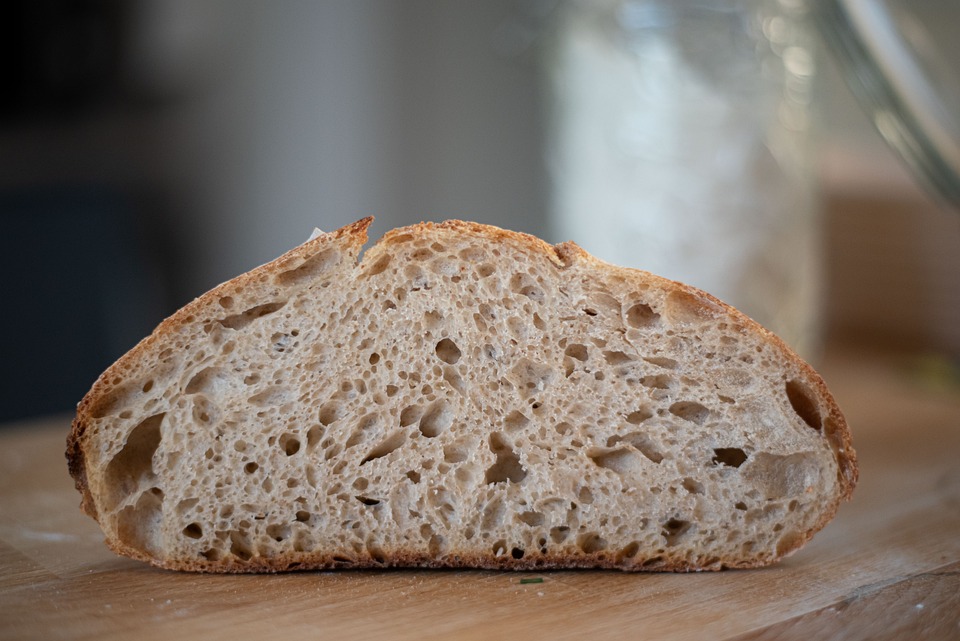

Sourdough bread has gained immense popularity in recent years, not just for its unique flavor but also for its potential health benefits. Many individuals struggle with digestive issues, which can lead to discomfort and a decline in overall well-being. The quest for gut health often leads people to explore various dietary options. Sourdough bread stands out as a promising solution due to its natural fermentation process, which may enhance nutrient absorption and gut microbiome health.
The fermentation process involves the use of wild yeast and beneficial bacteria, resulting in a bread that is not only delicious but also potentially easier to digest. This makes sourdough bread a viable option for those looking to improve their gut health. As more research emerges, the connection between fermented foods and gut health becomes clearer, making sourdough bread a worthy addition to the diet.
Understanding how to incorporate this bread into daily life can yield significant benefits. This guide will explore the practical applications of sourdough bread for gut fermentation, common mistakes to avoid, the underlying science, and more. By the end of this deep dive, you will be equipped with the knowledge to make informed choices about sourdough bread and its role in enhancing gut health.
The journey to better gut health through sourdough bread is not just about the bread itself but also about understanding the broader implications of fermentation and how it interacts with our bodies. Let’s delve into the ways sourdough can be utilized effectively for real results.
Contents
How to Use Sourdough for Real Results
- Best Form: Freshly baked sourdough bread
- Best Time: Morning or as part of a balanced meal
- Expected Result: Improved digestion and gut health
For Daily Protection
The Prep: Gather your ingredients, which include freshly baked sourdough bread, a spread of your choice such as avocado or nut butter, and a side of fermented vegetables like sauerkraut. Ensure that the sourdough is from a reputable source to maximize its probiotic content.
The Action: Start your day by toasting a slice of sourdough bread. Spread a layer of avocado or nut butter on top. Serve it alongside a small portion of fermented vegetables. This combination provides essential nutrients and probiotics, promoting a balanced gut flora.
The Feeling: Expect a satisfying crunch from the toasted bread and a creamy texture from the spread. The fermented vegetables will add a tangy flavor that enhances the overall meal. This combination can create a feeling of fullness and well-being that lasts for several hours.
Pro Tip: Experiment with different spreads and toppings to keep your morning routine exciting.
Targeting Digestive Discomfort
The Prep: Use your sourdough bread as a base. Gather ingredients like a homemade soup or stew that includes gut-friendly ingredients such as garlic, ginger, or turmeric.
The Action: Prepare a warm bowl of soup and serve it with a slice of sourdough on the side. Dip the bread into the soup to absorb the flavors while also benefiting from the warmth that can help soothe the digestive tract.
The Feeling: The warmth from the soup combined with the chewy texture of the sourdough creates a comforting sensation. You may feel a gentle warmth in your stomach as the meal aids digestion and provides relief from discomfort.
Pro Tip: Add spices like cumin or coriander to your soup for an extra digestive boost.
The Evening Routine
The Prep: For a nighttime treat, select a slice of sourdough bread and prepare a light topping such as ricotta cheese with honey or a sprinkle of cinnamon.
The Action: Lightly toast the bread and top it with ricotta cheese. Drizzle a small amount of honey or sprinkle cinnamon for flavor. This can serve as a calming snack before bedtime.
The Feeling: The warm toast and creamy topping create a cozy sensation. The sweetness from the honey may provide a comforting end to your day, potentially promoting better sleep.
Pro Tip: Consider adding a warm herbal tea alongside this snack to further enhance relaxation.
Avoiding Common Mistakes in Sourdough Consumption
Neglecting Quality Ingredients
Using low-quality sourdough bread can diminish its potential benefits. Many commercial brands contain additives and preservatives that can interfere with the fermentation process. These ingredients may reduce the effectiveness of the probiotics and enzymes that support gut health.
Opting for artisanal or homemade sourdough ensures that the bread is made with high-quality flour and fermented naturally. This enhances the nutritional profile and maximizes the health benefits associated with sourdough.
Overconsumption
While sourdough bread offers numerous benefits, consuming it excessively can lead to an imbalance in the gut. Moderation is key. Eating too much bread can result in bloating or discomfort, particularly for those with gluten sensitivities.
It is crucial to balance sourdough consumption with other foods rich in fiber and nutrients. A varied diet supports a healthy gut microbiome and prevents any adverse effects from overindulgence.
Ignoring Personal Tolerance Levels
Not everyone tolerates sourdough bread equally. Some individuals may experience digestive issues even with fermented bread. Ignoring personal tolerance can lead to discomfort and setbacks in gut health.
Listening to your body is essential. If you notice adverse reactions, consider reducing your intake or consulting a healthcare professional for personalized advice. This approach ensures that you can enjoy the benefits without the drawbacks.
The Science Behind Fermented Bread
The biological mechanism behind sourdough fermentation involves complex interactions between wild yeast and lactic acid bacteria. This process breaks down gluten and phytic acid, making nutrients more bioavailable. The fermentation enhances the digestibility of the bread, allowing for better nutrient absorption in the gut.
Key compounds in sourdough include lactic acid and acetic acid, which contribute to its unique flavor profile and health benefits. These organic acids create an environment conducive to beneficial gut bacteria while inhibiting the growth of harmful pathogens. This balance is crucial for maintaining gut health and overall well-being.
Clinical evidence supports the benefits of fermented foods, including sourdough bread, on gut health. Research indicates that regular consumption may improve gut microbiome diversity and enhance digestive health. For more information on the health benefits of fermented foods, visit PubMed.
Choosing the Right Sourdough Bread
– **Potency:** Look for sourdough bread made from whole grains and fermented for an extended period. This ensures a higher concentration of beneficial bacteria and enzymes.
-
Purity: Choose bread that contains minimal ingredients, ideally just flour, water, salt, and a sourdough starter. This purity enhances the nutritional value and minimizes additives.
-
Form: Freshly baked sourdough bread is preferable over packaged varieties. Fresh bread retains more of its probiotic content, making it more effective for gut health.
Benefits and Potential Downsides
| The Benefits | Potential Downsides |
|---|---|
| Improved digestion due to natural fermentation | Possible discomfort for those with gluten sensitivities |
| Enhanced nutrient absorption | Overconsumption can lead to bloating |
| Supports a healthy gut microbiome | Quality may vary greatly between brands |
Habits to Pair with Sourdough
Incorporating physical activity into your daily routine can complement the benefits of sourdough bread. Regular exercise promotes digestion and overall gut health.
Mindful eating practices also enhance the benefits. Taking time to savor each bite of your sourdough meal can improve digestion and foster a deeper connection with your food.
Who Should Avoid This?
– Individuals with gluten intolerance or celiac disease.
– Those with a history of yeast allergies.
– People on a low-carb or ketogenic diet.
– Individuals experiencing severe digestive issues related to bread consumption.
Common Questions
Is sourdough bread gluten-free?
Sourdough bread is not gluten-free unless specifically made with gluten-free grains. Traditional sourdough contains gluten from wheat flour.
Can sourdough bread help with bloating?
The fermentation process may help some individuals with bloating. However, it is essential to monitor personal tolerance levels.
How often should I eat sourdough bread?
Moderation is key. Enjoying sourdough bread a few times a week can provide benefits without overwhelming the digestive system.
Is homemade sourdough better than store-bought?
Homemade sourdough often has fewer additives and a more controlled fermentation process, making it potentially more beneficial for gut health.
The Final Takeaway
Sourdough bread can be a delicious and beneficial addition to your diet.
- The Truth: Not everyone tolerates sourdough equally.
- The Strategy: Incorporate it into balanced meals for optimal benefits.
- The Next Step: Experiment with different toppings to enhance your experience.
Get Your FREE Natural Health Guide!
Subscribe now and receive our exclusive ebook packed with natural health tips, practical wellness advice, and easy lifestyle changes, delivered straight to your inbox.