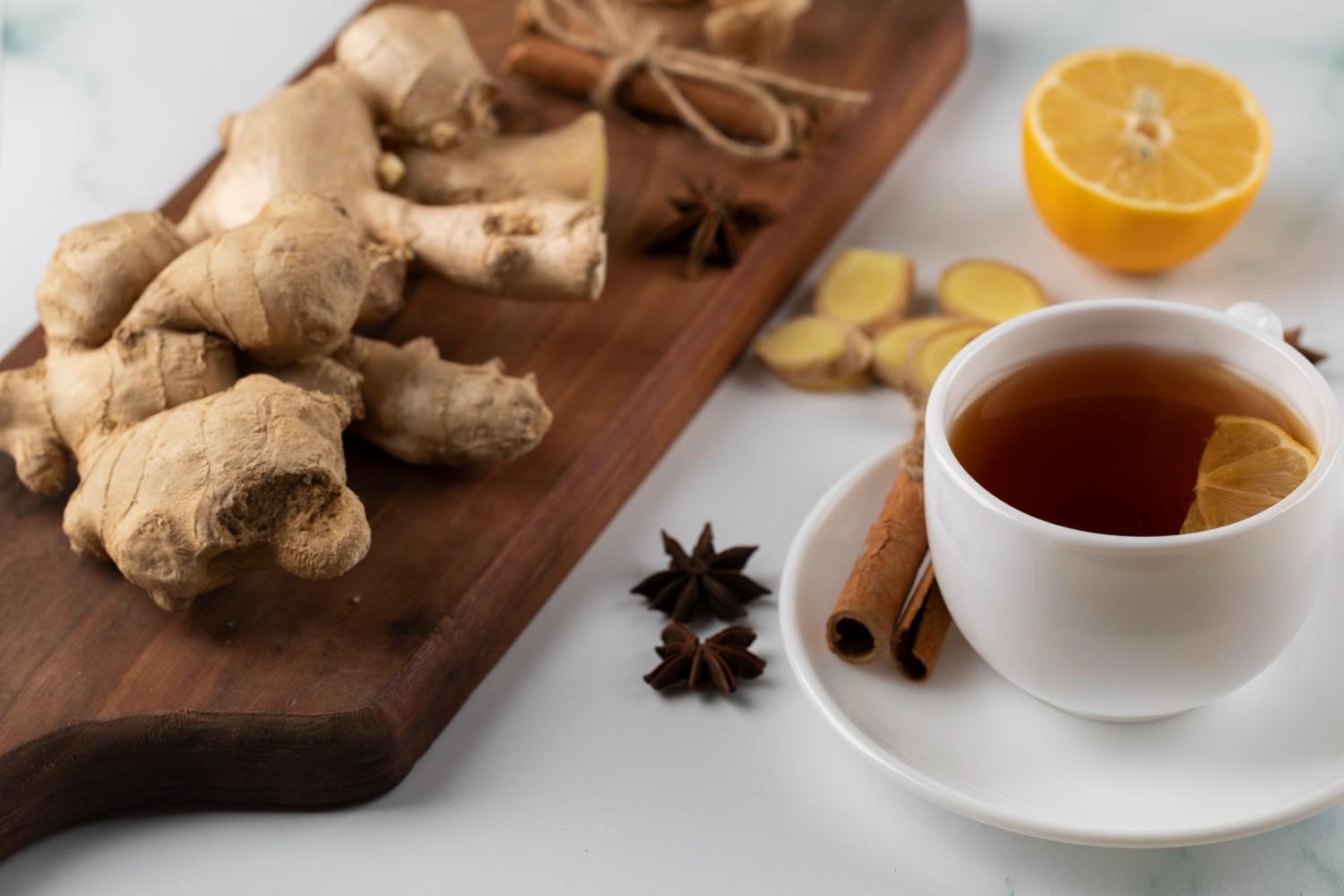

Ginger tea has long been celebrated for its myriad health benefits. Among these, its role in enhancing digestion is particularly noteworthy, especially for those adhering to a ketogenic diet. The ketogenic lifestyle, characterized by low carbohydrate intake, can sometimes lead to digestive issues such as constipation, bloating, and discomfort. These issues can arise from significant dietary changes and a lack of fiber-rich foods typically found in higher-carb diets. Ginger tea emerges as a solution, not only soothing the digestive tract but also offering a range of additional benefits.
The unique properties of ginger make it an excellent choice for supporting digestion. It can help stimulate bile production, which is essential for fat digestion and absorption. A healthy digestive system is crucial for anyone on a keto diet, as the body relies on fats as its primary energy source. Incorporating ginger tea into your daily routine can help mitigate common digestive complaints while enhancing overall gut health.
Beyond its digestive benefits, ginger tea is rich in antioxidants and anti-inflammatory compounds. These properties can support the immune system, improve circulation, and promote overall wellness. This holistic approach aligns well with the principles of functional wellness, which emphasize the interconnectedness of bodily systems and the importance of natural remedies.
For those on a ketogenic diet, understanding how ginger tea can be effectively integrated into daily habits is essential. This guide will explore practical applications, common mistakes to avoid, the scientific underpinnings of ginger’s benefits, and tips for choosing the right ginger products.
Contents
How to Use Ginger Tea for Real Results
- Best Form: Fresh ginger root or high-quality ginger tea bags
- Best Time: After meals or in the morning
- Expected Result: Improved digestion and reduced bloating
For Daily Protection
The Prep: Start with fresh ginger root. You will need a thumb-sized piece of ginger, water, and optionally, a slice of lemon or a teaspoon of stevia. Peel and slice the ginger into thin pieces. This maximizes the surface area and helps release essential oils and nutrients during brewing.
The Action: Boil two cups of water in a saucepan. Once the water reaches a rolling boil, add the sliced ginger. Reduce the heat and let it simmer for about 10 to 15 minutes. If you prefer, add a slice of lemon or a sweetener during the last minute of cooking. Strain the tea into a cup and enjoy it warm.
The Feeling: You will experience a warming sensation as you sip the tea. The ginger’s spiciness may create a slight tingling on your tongue, while the warmth helps to soothe your stomach. This comforting feeling can last for an hour or more as your digestion improves.
Pro Tip: Prepare a larger batch and store it in the refrigerator. You can reheat it as needed for convenience.
Targeting Acute Discomfort
The Prep: Use the same fresh ginger root as before. This time, add a pinch of cayenne pepper for an extra kick. You will also need honey to sweeten if desired.
The Action: Follow the same boiling process, adding the cayenne pepper along with the ginger. After simmering for 10 minutes, remove from heat and add honey to taste. Strain and serve hot.
The Feeling: The cayenne adds a warming sensation that can help alleviate discomfort. You may notice a soothing effect on your stomach, and the flavors will create a delightful warming experience that lingers.
Pro Tip: This tea can be particularly effective after meals that are higher in fat, helping to ease the digestion of rich foods.
The Nighttime Routine
The Prep: Again, gather fresh ginger root, but this time consider adding chamomile flowers for additional calming effects. Use one teaspoon of dried chamomile flowers along with the ginger.
The Action: Boil two cups of water and add the ginger slices and chamomile flowers. Allow them to steep for about 15 minutes. Strain the mixture into a cup. You may add a touch of honey for sweetness.
The Feeling: The combination of ginger and chamomile creates a relaxing sensation. You may feel a gentle warmth spreading through your body, promoting relaxation and preparing you for restful sleep.
Pro Tip: Enjoy this tea about an hour before bedtime to support digestion and promote a peaceful night’s sleep.
Common Mistakes to Avoid When Using Ginger Tea
Using Low Quality Herbs
Many people overlook the importance of selecting high-quality ingredients. Low-quality ginger can lack the potency necessary to deliver health benefits. Often, lower-quality options are treated with chemicals or are older, reducing their effectiveness.
To avoid this mistake, always source fresh ginger from reputable suppliers. Look for organic options when possible. Fresh ginger should be firm and have a strong aroma. When using tea bags, opt for brands known for their quality and purity.
Ignoring Preparation Techniques
The way ginger is prepared significantly impacts its health benefits. Simply boiling ginger for a short time may not release its full potential. Insufficient steeping can lead to a lack of flavor and nutrients.
To maximize benefits, ensure you simmer ginger for an adequate time. Cutting it into thin slices increases the surface area, which helps release active compounds. Experiment with steeping times to find what works best for you.
Overconsumption
While ginger tea is beneficial, too much can lead to digestive upset. Some individuals may experience heartburn or an upset stomach if they consume excessive amounts. Moderation is key.
To prevent this, limit your intake to 2 to 3 cups per day. Monitor how your body responds and adjust accordingly. If you experience discomfort, reduce the frequency or quantity.
The Science Behind Ginger’s Digestive Benefits
Ginger’s effectiveness in promoting digestion lies in its biological mechanisms. It stimulates the production of digestive enzymes, enhancing the breakdown of food. This process helps alleviate issues like bloating and gas, which are common on a ketogenic diet.
One of the key compounds in ginger is gingerol. This bioactive substance is responsible for many of ginger’s health benefits, including its anti-inflammatory and antioxidant properties. Gingerol aids in digestion by promoting gastric motility, which helps food move through the digestive tract efficiently.
Clinical studies have shown that ginger can significantly reduce nausea and improve digestion. Research indicates that ginger can enhance gastric emptying and reduce symptoms of indigestion. For more detailed information, you can explore this PubMed search.
Choosing the Right Product
– **Potency:** Look for ginger products that specify the concentration of ginger. Higher potency can lead to more significant health benefits.
– **Purity:** Ensure that the ginger is free from additives and preservatives. Pure products provide the best results without unwanted chemicals.
– **Form:** Consider whether you prefer fresh ginger, dried, or tea bags. Each form has its advantages, and your choice may depend on convenience or personal preference.
Benefits vs Risks
| The Benefits | Potential Downsides |
|---|---|
| Promotes better digestion | May cause heartburn in some individuals |
| Reduces bloating | Can interact with certain medications |
| Boosts immunity | Overconsumption can lead to digestive upset |
Habits for Enhanced Wellness
Incorporating regular physical activity can significantly enhance digestion. Activities like walking or gentle yoga stimulate the digestive system and complement the effects of ginger tea.
Mindfulness practices, such as meditation, can also improve digestive health. Stress negatively impacts digestion, and mindfulness techniques can help manage stress levels effectively.
Who Should Avoid This?
– Individuals with gallstones
– Those on blood thinners
– Pregnant women, especially in large amounts
– People with specific allergies to ginger or related plants
Common Questions
Can ginger tea help with nausea?
Yes, ginger tea is well-known for its ability to alleviate nausea, particularly during pregnancy or motion sickness.
Is ginger tea safe for everyone?
While generally safe, some individuals may experience side effects. Always consult with a healthcare provider if unsure.
How much ginger tea should I drink daily?
Limiting intake to 2 to 3 cups per day is advisable to avoid potential digestive upset.
Can I combine ginger tea with other herbs?
Yes, combining ginger with herbs like chamomile or peppermint can enhance its effects and provide additional benefits.
The Bottom Line
Ginger tea offers significant digestive benefits for those on a ketogenic diet.
- The Truth: While ginger is effective, it may not resolve all digestive issues.
- The Strategy: Enjoy ginger tea after meals for optimal effects.
- The Next Step: Consider integrating gentle exercise into your routine for enhanced digestive health.
Get Your FREE Natural Health Guide!
Subscribe now and receive our exclusive ebook packed with natural health tips, practical wellness advice, and easy lifestyle changes, delivered straight to your inbox.