
Hair loss can be a frustrating experience for many individuals. Whether due to genetics, stress, or nutritional deficiencies, the quest for lush, healthy hair often leads to a myriad of solutions. However, one of the most effective and overlooked aspects is the role of protein in diet. The connection between protein intake and hair health is profound, as hair is primarily composed of a protein called keratin. Insufficient protein can lead to weakened hair strands, increased hair shedding, and stunted growth.
Understanding how to harness the power of protein in your diet can transform your hair health. This guide dives deep into the secrets of a protein-rich diet designed to promote healthy hair growth. From practical applications to the science behind protein’s role in hair health, this comprehensive resource offers actionable insights for anyone looking to enhance their hair’s vitality.
Protein is not just a building block for muscle; it plays a crucial role in the structure of every cell in the body, including hair cells. The body requires a variety of amino acids, the building blocks of proteins, to create keratin. A lack of these essential nutrients can lead to hair that is dull, brittle, and prone to breakage. By focusing on the right sources of protein and understanding how to incorporate them effectively into your diet, you can unlock healthier hair.
This guide will equip you with the knowledge to make informed dietary choices that will nourish your hair from within. With a focus on practical application and scientific understanding, readers will find a roadmap to achieving lush, healthy hair through dietary adjustments centered on protein.
Contents
How to Use Protein for Real Results
- Best Form: Lean meats, fish, eggs, dairy, legumes, nuts.
- Best Time: Spread protein intake throughout the day.
- Expected Result: Stronger, shinier hair with reduced shedding.
Daily Protein Intake
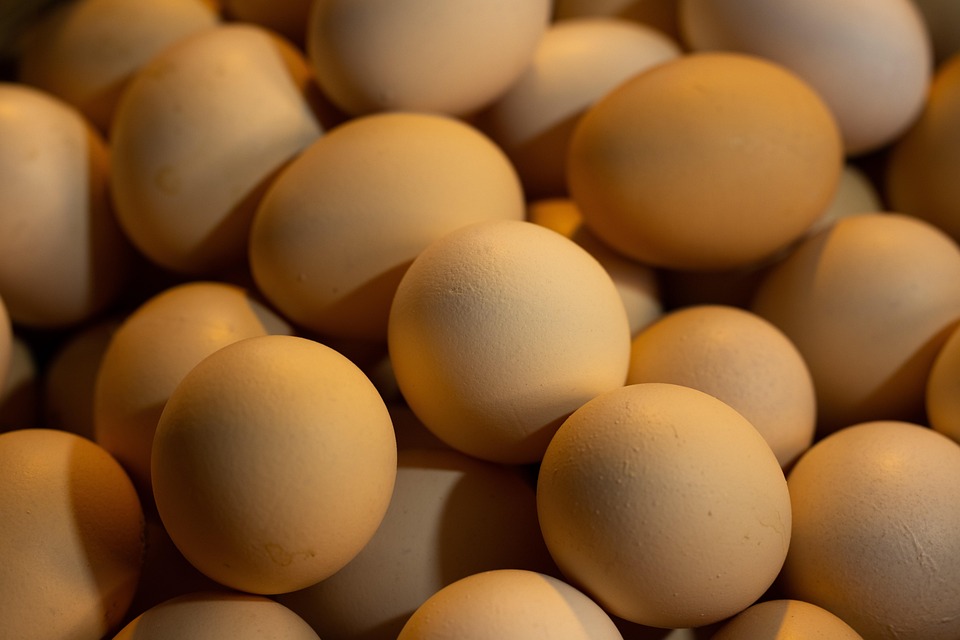
The prep for daily protein intake begins with selecting high-quality sources. Lean meats such as chicken and turkey are excellent choices, along with fish rich in omega-3 fatty acids like salmon. Eggs and dairy products provide necessary nutrients, while legumes and nuts offer plant-based options. Having a variety of these foods on hand will make it easier to incorporate protein into each meal.
The action involves planning meals that include a source of protein at every sitting. For breakfast, consider scrambled eggs with spinach. Lunch could consist of a chicken salad topped with nuts. Dinner might feature grilled salmon with quinoa and steamed vegetables. By ensuring each meal contains protein, you create a consistent intake that supports hair health.
The feeling after a protein-rich meal is one of satisfaction and nourishment. With a balanced intake of protein, you may notice an increase in energy levels. Over time, as your body receives the essential amino acids it requires, you can expect to see improvements in hair texture and growth, often within a few weeks.
Pro Tip: Keep a food diary to track your protein intake and make adjustments as needed.
Protein-Packed Smoothies
The prep for protein-packed smoothies includes gathering ingredients that are both nutritious and delicious. Start with a base of Greek yogurt or protein powder, and add fruits like bananas or berries for flavor. Incorporating spinach or kale can enhance the nutrient profile without altering the taste significantly.
The action requires blending these ingredients until smooth. Aim for a consistency that is easy to drink but not too watery. This smoothie can serve as a quick breakfast or a post-workout snack. By choosing ingredients with high protein content, you ensure that your hair receives the nourishment it needs.
The feeling after consuming a protein-packed smoothie is refreshing and energizing. The combination of fruits and protein will not only satisfy your taste buds but also contribute positively to your overall hair health. Regular consumption can lead to noticeable improvements in hair strength and shine, as the nutrients are absorbed quickly.
Pro Tip: Experiment with different flavor combinations to keep your smoothies exciting.
Protein-Rich Snacks
The prep for protein-rich snacks involves selecting convenient options that are easy to prepare. Hard-boiled eggs, Greek yogurt, and nut butter with apple slices are excellent choices. Preparing these snacks in advance can provide quick solutions to hunger pangs while ensuring adequate protein intake.
The action involves incorporating these snacks into your daily routine. Keep them accessible in your kitchen or carry them with you for on-the-go nourishment. Aim to have a protein-rich snack between meals to maintain a steady supply of amino acids to your body.
The feeling after enjoying a protein-rich snack is one of fulfillment and energy. These snacks can prevent energy crashes and keep you focused throughout the day. Over time, consistently including protein-rich snacks in your diet can lead to healthier hair, as the nutrients support cell repair and growth.
Pro Tip: Opt for snacks that combine protein with healthy fats for optimal energy.
Avoiding Common Pitfalls
Neglecting Plant-Based Proteins
Relying solely on animal sources for protein can limit your nutrient intake. Plant-based proteins such as lentils, chickpeas, and quinoa are packed with vitamins and minerals that support hair health. These foods also provide fiber, which is essential for overall digestive health. Incorporating a variety of protein sources ensures a balanced diet that promotes healthy hair growth.
To address this mistake, include a mix of both animal and plant-based proteins in your meals. This approach not only diversifies your nutrient intake but also introduces beneficial compounds found in plants, such as antioxidants. By making this simple adjustment, you can significantly enhance your hair health.
Overlooking Hydration
Protein metabolism requires adequate hydration. Neglecting to drink enough water can hinder the absorption of nutrients necessary for hair growth. Dehydration may lead to dry, brittle hair, which is more susceptible to breakage. Ensuring proper hydration is crucial for maximizing the benefits of a protein-rich diet.
To rectify this mistake, make it a habit to drink water consistently throughout the day. Consider carrying a water bottle with you to remind yourself to stay hydrated. By prioritizing hydration, you will support not only your hair health but also your overall well-being.
Inconsistent Protein Intake
Failing to maintain a consistent protein intake can lead to fluctuations in your hair’s health. Hair grows in cycles, and inconsistent nourishment can disrupt this process. Regularly consuming protein throughout the day supports a steady supply of amino acids needed for optimal growth and repair.
To overcome this mistake, create a meal plan that includes protein at every meal. Setting reminders for snacks can also help maintain consistency. By establishing a routine, you can ensure that your hair receives the nutrients it needs for sustained growth and vitality.
The Science Behind Protein and Hair Growth
The biological mechanism linking protein to hair growth lies in the structure of hair itself. Hair is primarily composed of keratin, a type of fibrous protein. When the body receives adequate protein, it can efficiently produce keratin, resulting in stronger hair strands. Deficiencies in protein can lead to a breakdown in this process, leading to weakened hair and increased shedding.
Key compounds involved in hair health include amino acids such as cysteine and methionine. These amino acids play a crucial role in the synthesis of keratin. When consumed through dietary protein, they contribute to the formation of healthy hair cells. A diet rich in these essential amino acids can significantly impact the quality and growth of hair.
Clinical evidence supports the connection between protein intake and hair health. Research indicates that individuals with hair loss often show signs of protein deficiency. To explore this topic further, visit PubMed for more information. This research highlights the importance of maintaining adequate protein levels for optimal hair growth and overall health.
Choosing the Right Protein Products
- Potency: A product’s potency determines its effectiveness in delivering the necessary amino acids. Higher potency ensures that your body receives enough nutrients to support hair health.
- Purity: Look for products free from unnecessary additives or fillers. Pure protein sources provide the essential nutrients without any harmful substances that could affect hair quality.
- Form: Protein can come in various forms, such as powders, bars, or whole foods. Choose a form that suits your lifestyle and preferences to ensure regular consumption.
Benefits and Risks
| The Benefits | Potential Downsides |
|---|---|
| Strengthens hair structure | Excess protein can lead to hair becoming stiff and brittle |
| Promotes hair growth | High protein diets may lead to nutrient imbalances if not managed |
| Enhances overall health | Some individuals may experience digestive issues with high protein intake |
Complementary Lifestyle Habits
Incorporating regular exercise can enhance blood circulation, delivering essential nutrients to hair follicles. This improved circulation may support hair growth and overall health. Aim for a mix of cardiovascular and strength-training exercises for optimal benefits.
Practicing stress management techniques such as meditation or yoga can also benefit hair health. Stress can lead to hair loss, and addressing it can improve overall well-being. Fostering a calm mind can create an environment conducive to healthy hair growth.
Who Should Avoid This?
– Individuals with kidney disease should limit protein intake to prevent further complications.
– Those with allergies to specific protein sources must be cautious and choose alternatives.
– Pregnant or breastfeeding women should consult a healthcare provider before making significant dietary changes.
Common Questions
How much protein do I need for healthy hair?
The recommended daily intake varies, but generally, aiming for 46 grams for women and 56 grams for men can support hair health.
Can I get enough protein from a vegetarian diet?
Yes, a vegetarian diet can provide sufficient protein through legumes, nuts, seeds, and dairy products.
How quickly can I expect results?
While individual results vary, noticeable improvements in hair health can occur within a few weeks of consistent protein intake.
Is protein powder necessary?
Protein powder can be a convenient option for those who struggle to meet their protein needs through food alone, but it is not essential for everyone.
The Bottom Line
Achieving lush, healthy hair through diet is a realistic goal with the right approach to protein intake.
- The Truth: Hair health requires consistent nourishment.
- The Strategy: Spread protein intake throughout the day for optimal benefits.
- The Next Step: Incorporate a variety of protein sources into your meals.
Get Your FREE Natural Health Guide!
Subscribe now and receive our exclusive ebook packed with natural health tips, practical wellness advice, and easy lifestyle changes, delivered straight to your inbox.