Managing Scalp Health With Apple Cider Vinegar For Scalp Buildup
Most of us grapple with the persistent sensation of an itchy or clogged crown at some point in our lives. We often cycle through various shampoos and conditioning agents only to find that our roots remain heavy and irritated. This cycle of buildup often leads to a desire for a clean slate that feels both natural and effective.
The accumulation of styling products and natural oils requires a gentle yet firm approach to restore balance. Finding the right rhythm for your hair care routine helps clear away the debris that sits on the surface of your skin. It remains a common goal for those seeking to return their hair to its baseline state of vitality.
Using apple cider vinegar for scalp buildup involves diluting the acidic liquid with water to create a balancing rinse that breaks down residue and clarifies the pores of the skin. This simple mixture helps restore the natural acidity levels of your hair while removing excess minerals or oil left behind by standard soaps.
Key Takeaways
- Diluted vinegar solutions generally maintain a pH range of 3.0 to 4.0 which mimics the natural acid mantle of the skin.
- Research from the National Institutes of Health indicates that maintaining a proper acidic environment helps protect against microbial overgrowth.
- Typical dilution ratios suggest one part vinegar to four or even ten parts water to prevent irritation on sensitive skin.
The Scientific Foundation Of Natural Rinsing
Hair health relies on the integrity of the cuticle and the health of the skin surface. When we apply alkaline products like heavy soaps, we shift the pH away from its natural state. This shift leads to cuticles that remain open and skin that feels dry or prone to flakes.
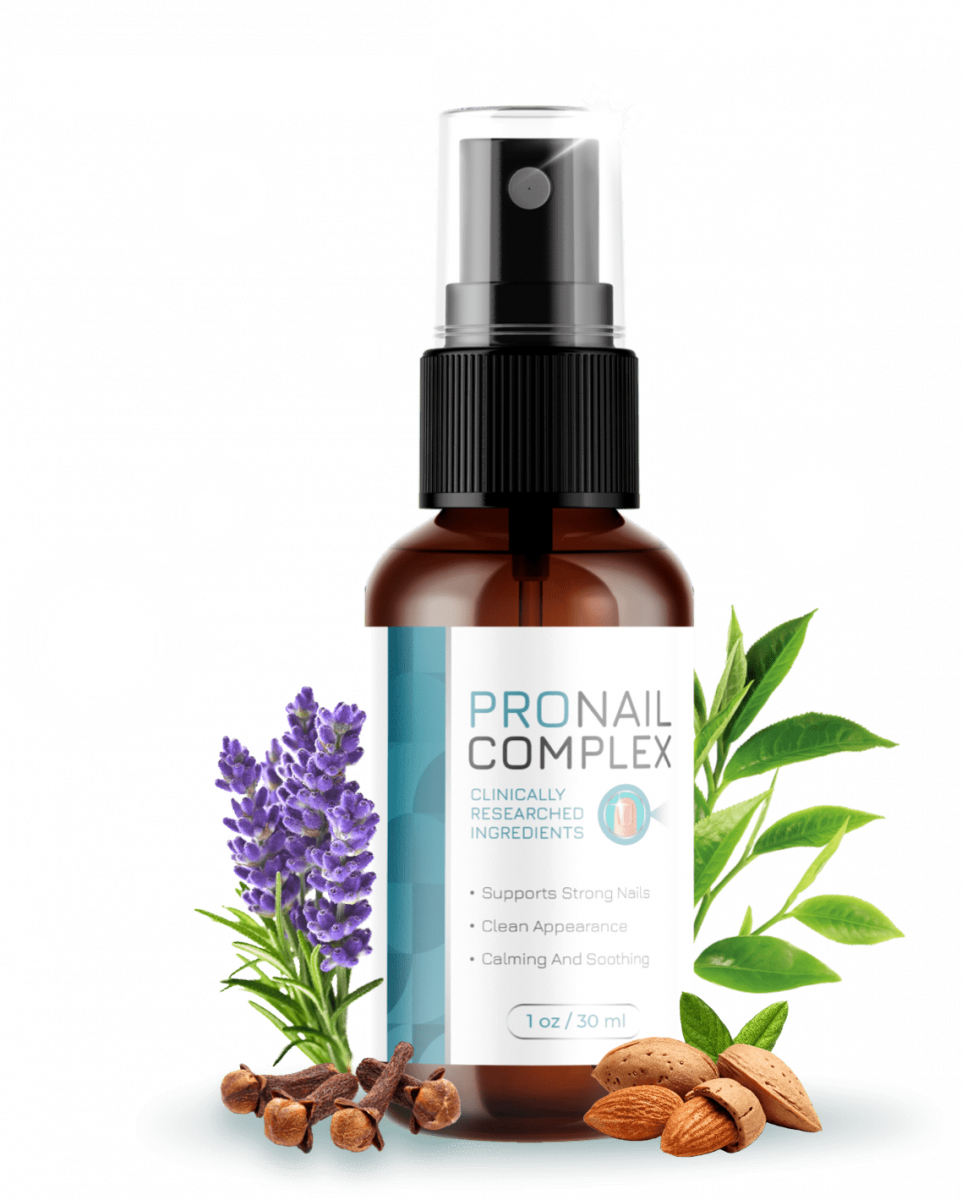
ProNail Complex™ Targeted Daily Mist
- Targeted daily mist designed to absorb deeply and support the structural balance of nail beds
- Helps maintain a clean, vibrant appearance against footwear and environmental disruptions
- Manufactured in a cGMP-compliant, FDA-registered facility without harsh chemical scraping
Acidic rinses help smooth the cuticle and seal the hair shaft. This action creates a smoother surface that reflects light and feels softer to the touch. It represents a form of simple chemistry that supports the structure of the hair fiber.
Understanding the water quality in your area also matters. Hard water contains minerals that cling to the strands and create a film. Vinegar helps dissolve these mineral deposits so they wash away more effectively.
Practical Guidelines For A Scalp Balancing Session
Consistency matters when you aim to clear away layers of product residue. You should start with a small amount of vinegar to test how your skin reacts to the acidic nature of the liquid. A modest approach ensures you do not disrupt the protective barrier of the skin.
Follow this standard process for a balanced application:
- Preparation: Mix one part apple cider vinegar with four parts warm water in a clean squeeze bottle.
- Application: Pour the mixture slowly over your scalp while leaning your head back in the shower.
- Distribution: Gently massage the liquid into the roots to reach the base of each follicle.
- Waiting: Allow the mixture to sit for three to five minutes before rinsing.
- Completion: Use cool water to rinse the hair thoroughly until the scent dissipates.
Comparing Natural Clarifying Agents
| Agent Type | Primary Action | Expected Result |
| Vinegar Rinse | Neutralizes Alkalinity | Smoother Texture |
| Clays | Absorbs Excess Oils | Increased Volume |
| Botanical Oils | Softens Hard Debris | Improved Flexibility |
Step By Step Dilution Formula
You can adjust the strength of your rinse based on the length and density of your hair. A standard base calculation assumes a moderate amount of buildup requiring a consistent dilution ratio. If your hair feels coated after a shower, increase the water volume for the next cycle.
Begin with a measurement of 2 tablespoons of vinegar per 8 ounces of water. This creates a mild solution that suits most hair types without causing sharp sensations on the skin. Adjust the mixture by adding an extra ounce of water if you possess highly sensitive or dry skin.
The Role Of Microbiome Diversity
The skin on our head hosts a vast array of organisms that contribute to overall health. Scientific studies from the Nature Scientific Reports suggest that maintaining environmental balance prevents common discomforts. Excessive buildup creates an environment where these organisms struggle to remain stable.
A balanced rinse helps keep the skin environment hospitable. It discourages the accumulation of dead cells that often serve as a food source for unwanted bacteria. Think of this as clearing the path for your hair to grow from a clean and unobstructed base.
Addressing Common Concerns With Natural Care
Some people worry about the lingering scent of vinegar. The aroma usually fades within minutes as the hair dries. If the smell persists, you likely used too much vinegar in your mixture or failed to rinse with enough water.
Others wonder if this routine causes dryness. Vinegar typically hydrates by smoothing the cuticle and preventing moisture loss. However, those with already brittle hair should limit the frequency to once per week to avoid potential issues.
Frequently Asked Questions
How Often Should I Incorporate A Vinegar Rinse?
Most individuals find success by using a clarifying rinse once every week or every two weeks. This frequency allows the skin to maintain its natural barrier while preventing the buildup of product residue or minerals from hard water.
Pay close attention to how your hair feels between washes. If you notice heaviness or dullness returning quickly, you might consider moving to a weekly cycle. If your hair feels stripped or dry, extend the time between rinses to ensure you are not overdoing the process.
Can Everyone Benefit From This Method?
While many individuals experience positive results, those with open sores or severe skin conditions should avoid applying acidic substances. The skin on the head requires careful attention if it is already inflamed or broken.
Always perform a small patch test on your arm if you possess concerns regarding skin sensitivity. This simple step helps you determine if the acidity level is appropriate for your specific needs before applying it to your head.
What If My Hair Feels Sticky After The Rinse?
A sticky residue often points to an incomplete rinse or a reaction with the soap used prior to the vinegar. Ensure that you have removed all traces of your regular shampoo before you apply the vinegar mixture.
If the stickiness continues, try a deeper rinse with cool water. Sometimes residual oil remains trapped if the water temperature is too low during the initial cleaning phase. Increasing the rinse time usually resolves this issue quickly.
Does The Quality Of The Vinegar Matter?
Choosing an organic, unfiltered variety often provides more of the natural components found in the raw product. These versions typically contain the sediment known as the mother, which suggests a more traditional fermentation process.
Clear, distilled vinegars often lack the beneficial elements present in raw, cloudy versions. While the acidity remains the primary factor for clarifying, the added plant elements in unfiltered options are worth considering for your routine.
Are There Specific Shampoos To Avoid?
Avoid heavy styling products that contain high amounts of silicone or synthetic waxes. These ingredients often create a film that is notoriously difficult to remove even with frequent washing.
Reference the Centers for Disease Control for information on maintaining general skin barrier health. Transitioning to products with fewer synthetic polymers often makes it easier to keep your hair clean and light.
The Bottom Line
Using apple cider vinegar for scalp buildup provides a straightforward way to maintain a clean and balanced environment for your hair. By respecting the natural pH of your skin and using consistent, diluted applications, you can effectively manage residue and support long-term hair health.
Integrate a simple rinse into your routine once a week to test how your hair responds to this natural approach. Never stop or change any medication without consulting the provider who recommended it. Consult a licensed healthcare provider before starting any new wellness routine.
Get Your FREE Natural Health Guide!
Subscribe now and receive our exclusive ebook packed with natural health tips, practical wellness advice, and easy lifestyle changes, delivered straight to your inbox.