
When it comes to oral health, many individuals focus primarily on brushing, flossing, and regular dental check-ups. However, nutrition plays an equally vital role in maintaining strong teeth and gums. One nutrient that often goes under the radar is Vitamin K2. This fat-soluble vitamin is crucial for calcium metabolism and bone health. Insufficient levels can lead to weakened teeth and an increased risk of cavities and gum disease. The good news is that certain foods rich in Vitamin K2 can significantly boost your dental health.
Incorporating Vitamin K2 into your diet is not just about preventing dental issues. This vitamin also supports overall health by promoting proper calcium utilization in the body. This means that while you’re strengthening your teeth, you’re also benefiting your bones and cardiovascular system. The synergy between Vitamin K2 and other nutrients is essential for optimal health. Therefore, understanding how to enhance your diet with K2-rich foods can serve as an effective strategy for long-term wellness.
Many people are unaware of the specific foods that are abundant in Vitamin K2. This nutrient is primarily found in animal products and fermented foods. By making simple dietary changes, you can ensure that you’re getting enough of this vital vitamin. The result will be not only a brighter smile but also improved overall health.
As you explore the world of Vitamin K2, you’ll discover a range of delicious foods that can easily be incorporated into your daily meals. This guide will delve deep into practical applications, common mistakes, scientific insights, and more, equipping you with the knowledge needed to boost your smile and enhance your well-being.
Contents
How to Use Vitamin K2 Foods for Real Results
- Best Form: Fermented foods and animal products.
- Best Time: With meals for better absorption.
- Expected Result: Stronger teeth and improved oral health.
For Daily Protection
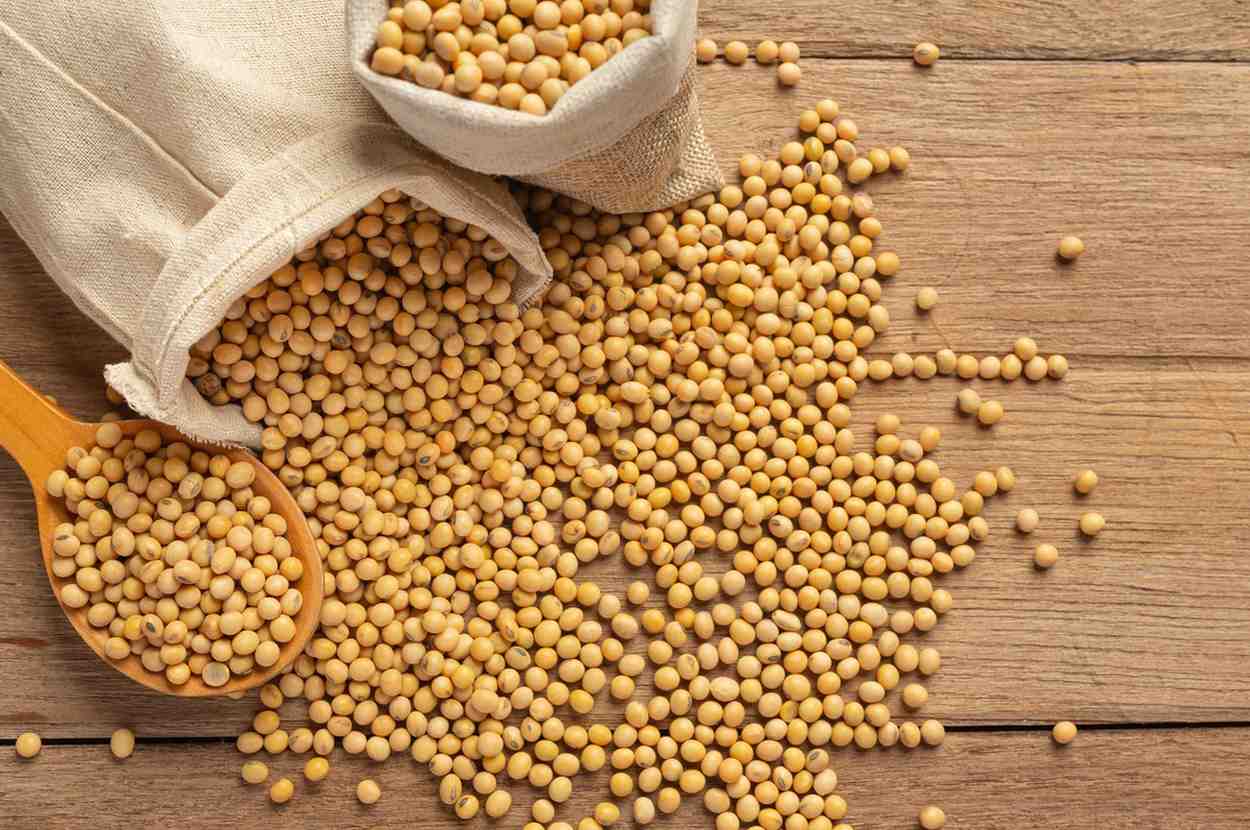
The Prep: Start your day with a nutrient-dense breakfast. Gather ingredients like natto, a fermented soybean dish rich in Vitamin K2, and add it to your morning smoothie. Include spinach, banana, and almond milk to enhance the flavor and nutritional profile.
The Action: Blend the natto with spinach and banana until smooth. Pour your smoothie into a glass and enjoy. You can also sprinkle some seeds or nuts on top for added crunch and nutrition.
The Feeling: Expect a creamy texture with a slightly nutty flavor. The freshness of the spinach will balance out the earthiness of the natto. This energizing breakfast will keep you full and nourished throughout the morning.
Pro Tip: Add a tablespoon of flaxseed for additional omega-3 fatty acids, which also support oral health.
Enhancing Your Lunch
The Prep: Prepare a vibrant salad for lunch that includes leafy greens, such as kale or collard greens, which are good sources of Vitamin K. Top it with grilled chicken or a hard-boiled egg for a protein boost.
The Action: Chop the greens and place them in a bowl. Slice the chicken or egg and arrange it on top. Drizzle with olive oil and apple cider vinegar for a tangy dressing.
The Feeling: The crunch of the fresh greens combined with the tender chicken creates a delightful contrast. The dressing adds a zesty flavor that enhances the overall experience, making it a satisfying meal that contributes to your dental health.
Pro Tip: Use fermented cheese like Gouda or Brie for added Vitamin K2, making your salad even more beneficial for your teeth.
Evening Nourishment
The Prep: For dinner, consider making a stir-fry with a variety of vegetables and a source of Vitamin K2. Gather ingredients like broccoli, bell peppers, and beef or tofu.
The Action: Heat a tablespoon of coconut oil in a pan. Add the chopped vegetables and protein source. Stir-fry until everything is cooked through. Serve it over brown rice or quinoa for a wholesome meal.
The Feeling: The vibrant colors of the vegetables combined with the savory taste of the stir-fry will create a satisfying meal. The crunch of the vegetables provides a refreshing sensation that complements the protein source, making it a fulfilling end to your day.
Pro Tip: Incorporate fermented sauces like miso for extra flavor and additional nutritional benefits.
Common Mistakes to Avoid
Overlooking Fermented Foods
Many individuals ignore the importance of fermented foods in their diet. These foods are not only rich in probiotics but also provide significant amounts of Vitamin K2. Without them, you may miss out on the full spectrum of health benefits. To correct this, make a conscious effort to include items like sauerkraut, kimchi, and miso in your meals.
Incorporating these foods can be easy. Use them as side dishes or toppings for your main meals. This way, you enhance the flavor and nutritional profile of your diet while ensuring adequate Vitamin K2 intake.
Neglecting Quality Sources
Not all sources of Vitamin K2 are created equal. Many processed foods lack meaningful amounts of this nutrient. Relying solely on supplements may not yield the best results. Focus on whole, nutrient-dense foods like grass-fed meats, high-quality dairy, and fermented products.
Prioritizing these sources ensures that you receive not just Vitamin K2 but also other essential nutrients that work synergistically for better health. Read labels carefully to ensure that you’re choosing high-quality products.
Ignoring Other Nutrients
Focusing solely on Vitamin K2 while neglecting other essential nutrients can hinder your oral health. Calcium and Vitamin D work in conjunction with K2 to support bone and tooth health. A balanced diet that includes a variety of nutrients is crucial for optimal results.
Integrate calcium-rich foods such as dairy products, leafy greens, and almonds, as well as Vitamin D sources like fatty fish and fortified foods. This holistic approach will enhance your overall health and dental well-being.
The Biological Mechanisms Behind Vitamin K2
Vitamin K2 plays a pivotal role in calcium metabolism. It activates proteins that help bind calcium in the bones and teeth, ensuring that these minerals are utilized effectively. This prevents calcium from accumulating in the arteries, which can lead to cardiovascular issues.
The key compound in Vitamin K2, menaquinone, is essential for activating osteocalcin. This protein is crucial for bone mineralization and helps maintain healthy bone density. Without adequate levels of K2, bone health can be compromised, leading to weakened teeth and a higher risk of fractures.
Clinical studies have shown a correlation between Vitamin K2 intake and improved dental health. Research indicates that individuals with higher K2 levels have better oral health outcomes, including a reduced risk of cavities and gum disease. For more details, visit NIH ODS Fact Sheet.
Choosing the Right Product
– **Potency:** Look for products that clearly indicate the amount of Vitamin K2 per serving. Higher potency ensures that you receive adequate levels for health benefits.
-
Purity: Choose products free from artificial additives and fillers. Pure products are more effective and reduce the risk of adverse reactions.
-
Form: Vitamin K2 is available in various forms, including MK-4 and MK-7. MK-7 is often preferred for its longer half-life, allowing for better absorption and utilization in the body.
Benefits and Risks of Vitamin K2
| The Benefits | Potential Downsides |
|---|---|
| Supports strong teeth and bones | Excessive intake may lead to adverse effects |
| Enhances calcium metabolism | Interactions with blood thinners |
| Improves cardiovascular health | Not suitable for everyone |
Habits for Enhanced Health
Maintaining a balanced diet rich in Vitamin K2 is essential, but pairing it with healthy lifestyle habits amplifies its effects. Regular exercise is vital for bone health. Engaging in weight-bearing activities helps improve bone density and overall strength.
Staying hydrated is equally important. Adequate water intake supports nutrient absorption and overall metabolic functions, ensuring that your body effectively utilizes Vitamin K2 and other nutrients.
Who Should Avoid This?
– Individuals on anticoagulant medications
– Those with specific metabolic disorders
– Pregnant or breastfeeding women without medical supervision
Common Questions
What are the best food sources of Vitamin K2?
Foods like natto, grass-fed dairy, and fermented vegetables are excellent sources of Vitamin K2.
Can I get enough Vitamin K2 from supplements?
While supplements can help, obtaining nutrients from whole foods is often more beneficial for overall health.
How does Vitamin K2 affect dental health?
Vitamin K2 supports calcium metabolism, ensuring that calcium is effectively used in teeth and bones, which helps prevent cavities.
Is there a risk of overdose with Vitamin K2?
Excessive intake of Vitamin K2 is rare but can lead to adverse effects, especially for individuals on blood thinners.
The Bottom Line
Incorporating Vitamin K2-rich foods into your diet can significantly enhance your dental health and overall well-being.
- The Truth: While Vitamin K2 is beneficial, it should be part of a balanced diet.
- The Strategy: Consume K2-rich foods with meals to optimize absorption.
- The Next Step: Make a habit of including fermented foods in your daily meals.
Get Your FREE Natural Health Guide!
Subscribe now and receive our exclusive ebook packed with natural health tips, practical wellness advice, and easy lifestyle changes, delivered straight to your inbox.