
Many individuals struggle with low energy levels, resulting in fatigue that can impact daily life. This fatigue can stem from various factors such as insufficient nutrition, stress, and even hormonal imbalances. Among these, testosterone levels play a pivotal role in energy maintenance, mood regulation, and overall vitality. Men, in particular, may experience dips in testosterone as they age, leading to decreased energy and motivation.

One powerful solution lies in the nutritional powerhouse known as beef liver. This organ meat is not only rich in essential vitamins and minerals but also contains compounds that can support testosterone production. By incorporating beef liver into your diet, you can address energy deficiencies and improve testosterone levels in a natural and effective manner.
Understanding how to harness the benefits of beef liver can lead to improved physical performance, enhanced recovery, and a boost in overall vitality. This guide will explore the practical applications of beef liver, common mistakes to avoid, and the science behind its effectiveness in boosting energy and testosterone levels.
By the end of this comprehensive guide, you will have the knowledge to effectively integrate beef liver into your lifestyle, ensuring you reap the full benefits of this nutrient-dense food.
Contents
How to Use Beef Liver for Real Results
- Best Form: Cooked beef liver or desiccated liver supplements.
- Best Time: Morning or post-workout.
- Expected Result: Increased energy levels and improved testosterone production.
For Daily Energy Boost
The Prep: Start with a fresh cut of beef liver, ideally sourced from grass-fed cattle. You’ll need olive oil, garlic, and onions for sautéing. Gather herbs like thyme or rosemary for added flavor.
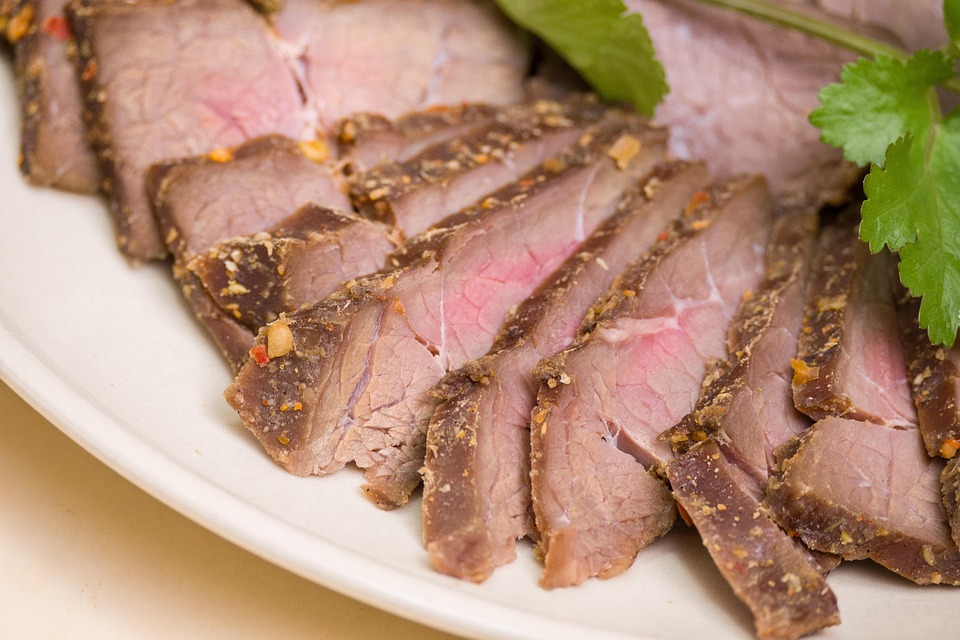
The Action: Heat olive oil in a skillet over medium heat. Add chopped onions and minced garlic, sautéing until translucent. Add the beef liver slices and cook for about three minutes on each side until browned but still slightly pink in the center. Season with herbs.
The Feeling: Expect a rich, savory aroma as the beef liver cooks. The first bite will be tender and flavorful, with a satisfying texture that carries the herbs’ fragrance. You may feel a surge of energy within an hour after eating.
Pro Tip: Pair with a side of leafy greens to enhance nutrient absorption.
For Muscle Recovery
The Prep: Use frozen or fresh beef liver. Prepare a marinade using apple cider vinegar, mustard, and a pinch of salt. This helps tenderize the meat and enhance flavor.
The Action: Marinate the liver for at least 30 minutes. Heat a grill or skillet and cook the liver for about five minutes on each side. Let it rest for a few minutes before slicing.
The Feeling: The grilled liver will have a charred, smoky flavor. The sensation of fullness and satisfaction will follow, providing a sense of nourishment that promotes recovery after exercise.
Pro Tip: Pair with complex carbohydrates like sweet potatoes for optimal recovery.
The Weekend Feast
The Prep: For a special occasion, consider preparing beef liver pâté. You will need butter, cream, and spices such as nutmeg and black pepper.
The Action: Sauté liver in butter until cooked through. Blend with cream, spices, and a bit of salt until smooth. Chill in the refrigerator before serving.
The Feeling: The pâté will have a creamy texture, with a rich, buttery flavor. This indulgence can elevate your weekend meal, leaving you satisfied and energized for the days ahead.
Pro Tip: Serve with whole-grain crackers for a balanced snack.
Avoiding Common Mistakes
Ignoring Quality of Source
While beef liver is nutrient-dense, consuming it excessively can lead to toxicity, particularly due to high vitamin A levels. Moderation is key. Aim for a few servings per week rather than daily intake.
Improper cooking methods can diminish the nutritional value of beef liver. Overcooking can lead to a tough texture and loss of vitamins. Aim for a medium-rare finish to retain nutrients while ensuring the liver is safe to eat.
The biological mechanism of beef liver’s effectiveness in boosting energy levels and testosterone is rooted in its rich nutrient profile. Beef liver is packed with B vitamins, particularly B12, which is essential for energy production. Additionally, it contains iron, crucial for hemoglobin formation and oxygen transport in the body. Key compounds in beef liver, including CoQ10 and vitamin A, play significant roles in cellular energy metabolism. CoQ10 is known for its role in the production of ATP, the energy currency of cells. Meanwhile, vitamin A supports hormone production, including testosterone. Clinical evidence supports the benefits of beef liver for testosterone levels. Studies suggest that nutrient deficiencies can hinder testosterone production. A diet rich in vitamins and minerals, such as those found in beef liver, can help maintain optimal testosterone levels. For more detailed information, refer to NIH ODS Fact Sheet.
Incorporating regular physical activity into your routine can amplify the benefits of beef liver. Exercise stimulates testosterone production while improving energy levels. Aim for a balanced mix of strength training and cardiovascular exercises. Additionally, maintaining a balanced diet rich in whole foods, including vegetables, fruits, and healthy fats, supports overall hormonal health. Pairing beef liver with nutrient-dense foods fosters an environment conducive to energy and vitality.
For optimal benefits, aim for 2 to 3 servings per week. While many can benefit, individuals with specific health conditions should consult a healthcare professional. Yes, desiccated liver supplements can be a convenient alternative, but ensure they are high quality. Beef liver can be sautéed, grilled, or made into pâté, offering versatile ways to incorporate it into meals. Incorporating beef liver into your diet can significantly enhance energy levels and testosterone production.
Get Your FREE Natural Health Guide!Overconsumption
Neglecting Preparation Methods
The Mechanism Behind the Benefits
Choosing the Right Product
Benefits vs Risks
The Benefits
Potential Downsides
Rich in essential vitamins and minerals
Possible vitamin A toxicity if overconsumed
Supports testosterone production
May cause digestive discomfort in some individuals
Enhances energy levels
Quality varies between sources
Habits to Enhance Results
Who Should Avoid This?
Common Questions
How often should I consume beef liver?
Is beef liver safe for everyone?
Can I take beef liver supplements instead of fresh liver?
What dishes can I make with beef liver?
The Bottom Line
Subscribe now and receive our exclusive ebook packed with natural health tips, practical wellness advice, and easy lifestyle changes, delivered straight to your inbox.