
Bone health is intricately connected to gut health. Many people overlook the importance of a healthy gut lining, which plays a pivotal role in nutrient absorption and immune function. When the gut lining is compromised, it can lead to a host of issues, including digestive disturbances, autoimmune conditions, and even mood disorders. The challenge lies in finding effective ways to heal and support this vital part of the body.
One solution that has gained attention is bone broth. Rich in collagen, amino acids, and minerals, bone broth nourishes the gut lining and promotes healing. Its soothing properties can help reduce inflammation and support the integrity of the intestinal barrier. Many individuals who incorporate bone broth into their diets report improvements in digestion and overall well-being.
Understanding how to effectively use bone broth for gut healing is essential. The process is not just about consuming it; it involves integrating it into your daily routine and recognizing its benefits. By adopting a practical approach, you can make bone broth a cornerstone of your wellness journey.
This guide will explore the benefits of bone broth for gut health, practical applications, common pitfalls, and the science behind its healing properties. You will gain a comprehensive understanding of how to utilize this nourishing elixir to restore your gut lining and enhance your overall health.

Contents
How to Use Bone Broth for Real Results
- Best Form: Homemade or high-quality store-bought
- Best Time: As part of your morning or evening routine
- Expected Result: Improved digestion and reduced gut inflammation
For Daily Protection
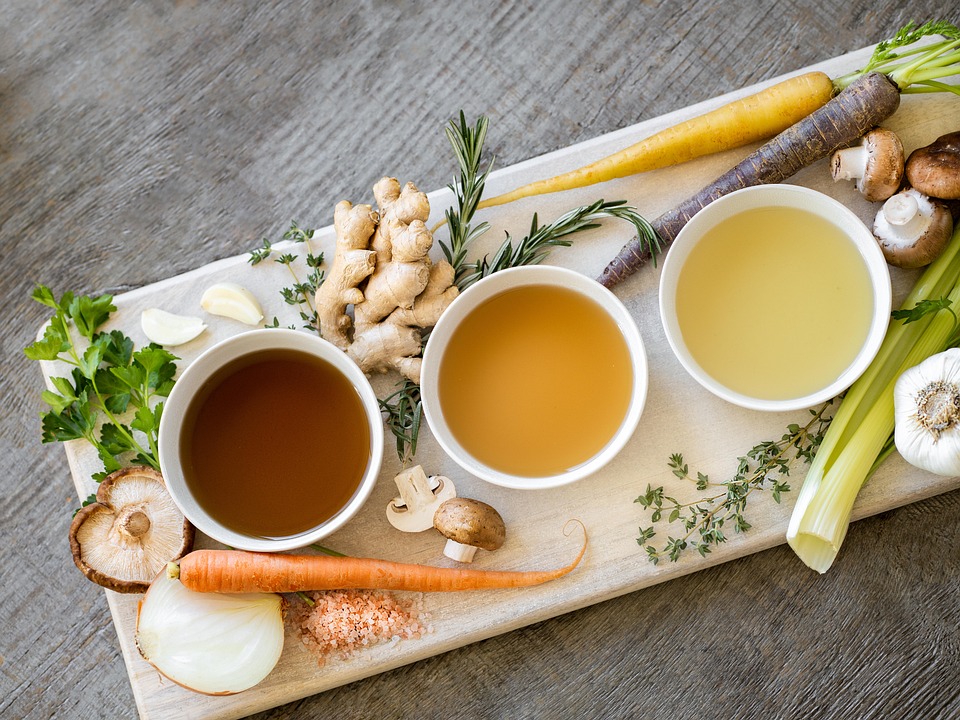
The Prep: Start with high-quality bones, preferably from grass-fed animals. Gather aromatics like onions, garlic, and herbs like thyme and bay leaves. Use filtered water to ensure purity.
The Action: In a large pot or slow cooker, add the bones and cover with water. Add the aromatics and a splash of apple cider vinegar to help extract minerals. Simmer for at least 12 hours, up to 48 hours for maximum benefits.
The Feeling: Enjoy the rich aroma as it simmers. Once ready, sip the broth warm. You may feel a soothing warmth in your stomach, lasting several hours as you digest.
Pro Tip: Batch cook and freeze portions for easy access throughout the week.
Targeting Acute Discomfort
The Prep: Use bones from a roasted chicken or beef for added flavor. Gather fresh ginger and turmeric for their anti-inflammatory properties.
The Action: Combine the bones, ginger, and turmeric in a pot. Cover with water and bring to a boil. Reduce heat and let it simmer for 24 hours. Strain and enjoy.
The Feeling: You may notice a slight warmth from the spices. This can last for a few hours, providing a comforting sensation in the gut.
Pro Tip: Add a pinch of sea salt before consuming to enhance flavor and electrolytes.
The Nighttime Routine
The Prep: Gather chicken bones, carrots, celery, and herbs like parsley and dill. Choose a pot or slow cooker for overnight preparation.
The Action: Place the bones and chopped vegetables in the pot. Cover with water and let it simmer overnight on low heat. Strain in the morning and enjoy.
The Feeling: As you sip the broth, expect a calming effect, promoting relaxation and aiding digestion before bed. This may help you feel lighter and more comfortable.
Pro Tip: Pair with a light evening meal for optimal digestion.
Common Mistakes to Avoid
Using Low-Quality Ingredients
Selecting low-quality bones can diminish the nutritional benefits of bone broth. Industrially raised animals may have lower nutrient profiles and could contain harmful substances. It’s crucial to choose bones from grass-fed or pasture-raised animals. The quality of the ingredients directly impacts the final product’s health benefits.
To remedy this, source bones from local farmers or trusted suppliers. Look for organic certifications to ensure the animals were raised without antibiotics or hormones. Investing in high-quality ingredients can result in a more nutritious and flavorful broth.
Not Simmering Long Enough
Many people make the mistake of not simmering bone broth long enough to extract all the beneficial compounds. A shorter cooking time may result in a less nutritious product, lacking in collagen and minerals. The longer the bones simmer, the more nutrients are released into the broth.
To avoid this, aim for a minimum of 12 hours of simmering. Some recipes suggest up to 48 hours for maximum extraction. Using a slow cooker can help maintain low temperatures over extended periods, ensuring a rich and nourishing broth.
Neglecting Proper Storage
Improper storage can lead to spoilage and loss of flavor. Many people make the mistake of not refrigerating or freezing their broth promptly. This can result in food waste and a missed opportunity to benefit from the nutritional properties.
After cooking, allow the broth to cool before transferring it to airtight containers. Store it in the refrigerator for up to five days or freeze it for up to six months. Label containers with dates for easy tracking.
The Science Behind Bone Broth
Bone broth provides essential nutrients that support gut health. Collagen, a primary component, helps repair the gut lining. This protein contains amino acids like glycine and proline, which are vital for maintaining the integrity of the intestinal barrier. A healthy gut lining prevents harmful substances from entering the bloodstream, reducing inflammation.
Gelatin is another key compound found in bone broth. It aids in digestion and promotes gut health by attracting and holding liquids. This helps to improve hydration and nutrient absorption. Gelatin also supports the growth of beneficial gut bacteria, contributing to overall digestive health.
Research has shown that consuming collagen-rich foods can positively affect gut health. A study published in the journal Nutrients highlighted the benefits of collagen supplementation on gut permeability and inflammation. For further reading, see the clinical evidence found in this PubMed search.
Choosing the Right Product
- Potency: Ensure the broth contains a high concentration of collagen and nutrients. This indicates effective extraction from the bones.
- Purity: Look for products that use organic ingredients and avoid additives. This guarantees a clean and wholesome broth.
- Form: Decide between liquid or powdered forms. Liquid broth offers immediate benefits, while powder can be convenient for travel and storage.
Benefits vs Risks
| The Benefits | Potential Downsides |
|---|---|
| Rich in collagen, promoting gut health. | May cause digestive discomfort for some individuals. |
| Supports joint health and reduces inflammation. | High sodium content in some store-bought options. |
| Easy to digest and nourishing. | Quality varies significantly among brands. |
Habits for Enhanced Healing
Incorporating fermented foods can significantly improve gut health. Foods like kimchi, sauerkraut, and yogurt introduce beneficial bacteria that complement the nutrients in bone broth. These foods can enhance the gut microbiome, supporting overall digestive function.
Staying hydrated is also crucial. Water aids in digestion and helps transport nutrients throughout the body. Consuming adequate fluids alongside bone broth can maximize its benefits and improve overall health.
Who Should Avoid This?
– Individuals with certain food allergies, particularly to proteins found in animal products.
– Those with compromised kidney function should consult a healthcare provider before consuming bone broth regularly.
– People on low-protein diets may find bone broth unsuitable due to its high protein content.
– Pregnant or nursing women should seek advice from a healthcare professional before adding bone broth into their diet.
Common Questions
How often should I consume bone broth?
Aim for at least a cup several times a week for optimal benefits. Regular consumption can support gut health over time.
Can I use bone broth for weight loss?
Bone broth can be a low-calorie option that provides satiety, but it should be part of a balanced diet for effective weight management.
Is store-bought bone broth as effective as homemade?
Homemade broth may offer superior flavor and nutrient density. However, high-quality store-bought options can still provide benefits.
Can I add spices to bone broth?
Yes, spices like turmeric and ginger enhance the flavor and add anti-inflammatory benefits, making the broth even more nutritious.
The Bottom Line
Bone broth can be a powerful tool for healing your gut lining.
- The Truth: The effectiveness varies based on quality and preparation.
- The Strategy: Regular consumption in various meals can maximize benefits.
- The Next Step: Consider incorporating fermented foods into your diet.
Get Your FREE Natural Health Guide!
Subscribe now and receive our exclusive ebook packed with natural health tips, practical wellness advice, and easy lifestyle changes, delivered straight to your inbox.