
Dry mouth, or xerostomia, is a condition that can lead to discomfort, difficulty swallowing, and even issues with oral health. This sensation often arises due to dehydration, medication side effects, or certain medical conditions. Individuals experiencing dry mouth frequently seek immediate relief but may overlook simple yet effective solutions. Drinking water serves as a primary and natural remedy that can significantly ease this discomfort. The act of hydrating not only alleviates the immediate sensation but also supports overall oral health, making it a vital habit to adopt.
Understanding the mechanisms behind dry mouth is essential for addressing its causes effectively. When the body is dehydrated, saliva production decreases, leading to the uncomfortable sensation of a dry mouth. Saliva plays a key role in digestion and maintaining oral hygiene. Therefore, staying hydrated is crucial not just for comfort but for the prevention of further complications. Water is a simple, accessible solution that can help restore moisture levels in the mouth, making it easier to speak, eat, and maintain oral health.
The benefits of drinking water extend beyond immediate relief. Proper hydration helps promote saliva production, which is essential for maintaining a healthy oral environment. Adequate saliva levels help neutralize acids produced by bacteria, thereby reducing the risk of tooth decay and gum disease. Regularly consuming water can also aid in flushing out toxins from the body, which further contributes to overall health and well-being.
Incorporating water into daily routines can serve as a proactive measure against dry mouth. It is not merely about quenching thirst but about creating a habit that supports both hydration and oral health. Understanding how to optimize water intake can make a significant difference in managing dry mouth effectively.
Contents
How to Use Hydration for Real Results
- Best Form: Filtered or distilled water
- Best Time: Throughout the day, especially in the morning
- Expected Result: Immediate relief from dryness and improved oral comfort
For Daily Hydration
The Prep involves ensuring you have a clean, accessible source of water. Use a reusable water bottle filled with filtered or distilled water. Aim for a size that allows you to consume it easily throughout the day. Consider adding a slice of lemon or cucumber for a refreshing twist without added sugars or calories.
The Action consists of sipping water regularly. Aim to drink at least eight 8-ounce glasses daily, but adjust according to your activity level and climate. Set reminders on your phone or use an app to track your water intake. This will help you build a consistent habit of staying hydrated.
The Feeling you will experience is a gradual relief from dryness. Initially, you may notice a tingling sensation in your mouth as saliva production increases. This sensation can last for a few hours, contributing to a more comfortable oral environment.
Pro Tip: Keep your water bottle within reach to encourage frequent sipping.
Targeting Acute Dryness
The Prep involves preparing a glass of water at room temperature, as extreme temperatures may not be as soothing. If desired, add a pinch of salt or a few drops of honey to the water to enhance its flavor and nutritional value.
The Action requires you to take small sips of the prepared water. Focus on the act of sipping slowly to allow your mouth to acclimate. This method can be particularly effective when you feel a sudden onset of dry mouth, such as during a meeting or while eating.
The Feeling you will notice is immediate relief. As the water coats the oral tissues, you may feel a soothing effect that alleviates discomfort. This sensation can last for several hours, depending on your hydration levels and the environment.
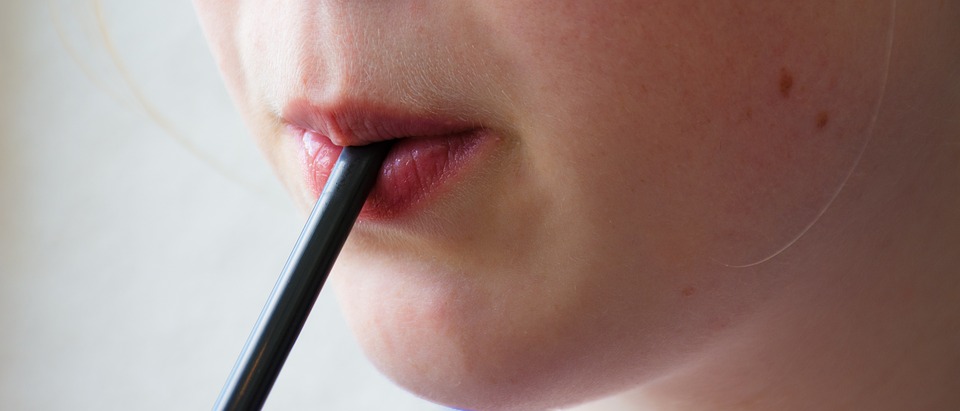
Pro Tip: Use a straw to help control the flow of water and avoid overwhelming your mouth.
The Nighttime Routine
The Prep requires filling a glass with water and placing it by your bedside. Consider using a high-quality water filter to ensure purity. You might also want to have a humidifier running in your room to maintain moisture in the air while you sleep.
The Action involves drinking a few sips of water before going to bed. This can help keep your mouth moist throughout the night. If you wake up with dry mouth, take another sip before returning to sleep.
The Feeling you will experience is a more comfortable night’s rest. By hydrating before bed, you reduce the likelihood of waking up with a dry, uncomfortable mouth. This can lead to a more restful sleep and a better start to your day.
Pro Tip: Avoid drinking excessive amounts right before bed to prevent nighttime bathroom trips.
Common Errors to Avoid
Neglecting Regular Hydration
Failing to drink enough water throughout the day is a common mistake that exacerbates dry mouth. Many individuals underestimate their daily fluid needs. This can lead to a persistent state of dehydration, worsening oral discomfort.
To counter this, set a schedule for water intake. Use reminders or apps to prompt you to drink water regularly. Carrying a water bottle can also serve as a visual cue to hydrate throughout the day.
Choosing Sugary Beverages
Opting for sugary drinks instead of water is another significant error. Beverages high in sugar can lead to an increase in bacteria in the mouth, which can worsen dry mouth and lead to cavities.
To avoid this mistake, prioritize water over sugary or caffeinated drinks. If you crave flavor, consider infusing your water with fruits or herbs. This way, you can enjoy a refreshing drink without the adverse effects of sugar.
Ignoring Environmental Factors
Overlooking the impact of environmental factors can contribute to dry mouth. Air conditioning, heating, and dry climates can all lead to dehydration. Individuals often do not realize how their surroundings affect their hydration levels.
To mitigate this, consider using a humidifier in your home or workspace. This can help maintain moisture in the air, reducing the effects of dry environments. Additionally, pay attention to your hydration needs during travel, as changes in climate can also affect your oral comfort.
The Biological Mechanisms Behind Dry Mouth
Dry mouth occurs when saliva production decreases, leading to discomfort and increased risk of oral health issues. The salivary glands are responsible for producing saliva, which is essential for lubricating the mouth, aiding digestion, and maintaining oral hygiene. When the body is dehydrated, these glands may not function optimally, resulting in a dry sensation.
Key compounds in saliva include mucins and electrolytes, which help maintain oral moisture and provide a protective barrier against bacteria. Saliva also contains enzymes that begin the digestion process and neutralize acids produced by oral bacteria. When hydration levels are low, the balance of these compounds is disrupted, leading to dry mouth symptoms.
Clinical evidence supports the importance of hydration in managing dry mouth. A study published in the journal PubMed demonstrates that adequate water intake significantly improves saliva production and alleviates symptoms of xerostomia. This evidence underscores the critical role of hydration in promoting oral health and comfort.
Choosing the Right Hydration Products
– **Potency:** Look for water that is filtered or enriched with electrolytes. Potent hydration can enhance the effectiveness of your water intake.
– **Purity:** Ensure the water you consume is free from contaminants. Pure water is vital for optimal hydration and health.
– **Form:** Consider using water in various forms, such as herbal teas or infused waters. Different forms can keep hydration interesting and enjoyable.
Pros & Cons of Hydration
| The Benefits | Potential Downsides |
|---|---|
| Improves oral comfort and reduces dryness | Excessive consumption can lead to frequent bathroom trips |
| Aids in digestion and nutrient absorption | Relying solely on water may overlook other essential nutrients |
| Supports overall health and well-being | May require adjustments in certain medical conditions |
Healthy Habits for Hydration
Incorporating regular physical activity into your lifestyle can enhance hydration levels. Exercise increases fluid loss through sweat, making it essential to replenish with water. Aim to drink water before, during, and after workouts to maintain hydration.
Mindful eating can also promote hydration. Consuming foods with high water content, such as fruits and vegetables, can contribute to overall fluid intake. Pairing these foods with regular water consumption creates a balanced approach to hydration.
Who Should Avoid This?
– Individuals with certain medical conditions that require fluid restrictions
– Those taking medications that may interact negatively with increased water intake
– People with kidney issues, as excessive water can lead to complications
Common Questions
How much water should I drink daily?
The general recommendation is about eight 8-ounce glasses, but individual needs may vary based on activity level and climate.
Can dry mouth be a symptom of a medical condition?
Yes, conditions like diabetes and Sjögren’s syndrome can cause dry mouth.
Are there any foods that can help with dry mouth?
Foods with high water content, such as cucumbers and watermelon, can help alleviate dryness.
Is it safe to drink too much water?
While hydration is essential, excessive water intake can lead to water intoxication or electrolyte imbalance in some individuals.
The Bottom Line
Hydration plays a crucial role in alleviating dry mouth discomfort.
- The Truth: While water is essential, it may not completely resolve underlying conditions causing dry mouth.
- The Strategy: Drink water consistently throughout the day, especially in the morning and before meals.
- The Next Step: Consider incorporating hydrating foods into your diet for added benefits.
Get Your FREE Natural Health Guide!
Subscribe now and receive our exclusive ebook packed with natural health tips, practical wellness advice, and easy lifestyle changes, delivered straight to your inbox.