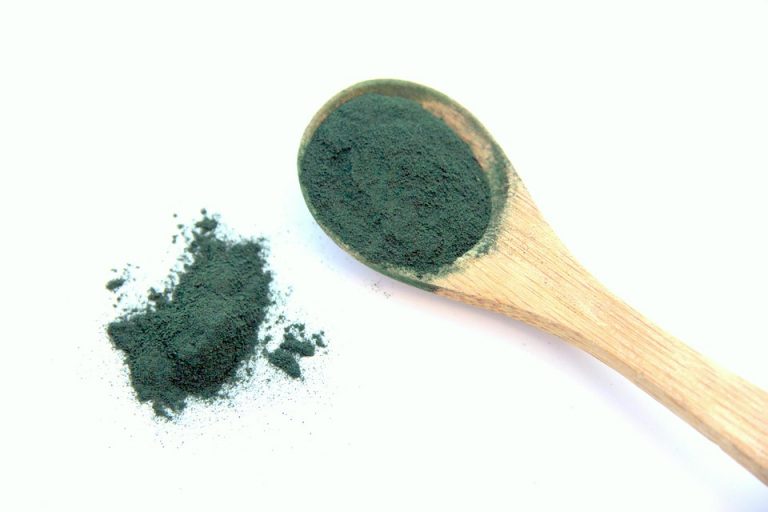

Elevating your salad experience often begins with the ingredients you choose. While leafy greens and vibrant vegetables provide a solid foundation, the addition of unique elements can transform your dish from ordinary to extraordinary. One such addition is moringa, a nutrient-rich plant that not only enhances flavor but also offers a plethora of health benefits. As awareness of superfoods continues to grow, moringa stands out as a versatile ingredient that can effortlessly elevate your salad game.
Moringa leaves are known for their slightly peppery taste, reminiscent of arugula or mustard greens. This distinct flavor profile makes them an excellent choice for salads, lending a unique twist while also packing a nutritional punch. With the right approach, you can incorporate moringa into your salads in a way that maximizes both taste and health benefits. Whether you are looking to diversify your meals or improve your overall wellness, moringa serves as an ideal ingredient to explore.
Many people struggle with incorporating nutrient-dense foods into their daily diets. The challenge often lies in finding ways to enjoy these foods without sacrificing flavor. Moringa offers a solution. Its leaves can be used fresh, dried, or powdered, allowing for multiple avenues of incorporation. This adaptability makes it easy to sprinkle moringa onto your salads, providing an effortless way to boost nutrient intake while enhancing taste.
The journey to elevate your salad game with moringa does not stop at flavor enhancement. Understanding its health benefits and practical applications will empower you to make informed choices about your meals. This guide will delve into how to effectively incorporate moringa into your salads, common pitfalls to avoid, the scientific evidence supporting its use, and tips for selecting the best products. Prepare to transform your salads into nutrient-rich powerhouses with the addition of moringa.

Contents
How to Use Moringa for Real Results
- Best Form: Fresh or powdered moringa leaves
- Best Time: During meal prep or as a finishing touch
- Expected Result: Enhanced flavor and increased nutrient intake
For Daily Protection
The Prep: Gather fresh moringa leaves, mixed greens, cherry tomatoes, cucumber, and a homemade vinaigrette. Ensure the moringa leaves are clean and free of dirt. A salad spinner is useful for drying the greens thoroughly before mixing.
The Action: Start by washing all the vegetables. Chop the mixed greens and slice the cherry tomatoes and cucumber. In a large bowl, combine the greens and vegetables. Gently fold in the fresh moringa leaves. Drizzle with vinaigrette and toss lightly to coat all ingredients evenly.
The Feeling: Expect a fresh, invigorating sensation as you enjoy the salad. The moringa leaves add a subtle peppery note that complements the other ingredients. This salad is both refreshing and satisfying, leaving you energized for the day ahead.
Pro Tip: For added texture, consider including nuts or seeds, which can enhance both flavor and nutritional value.
Post-Workout Recovery
The Prep: Assemble fresh moringa leaves, spinach, quinoa, roasted chickpeas, and lemon juice. Ensure that the quinoa is cooked and cooled, and the chickpeas are roasted for crunch.
The Action: In a bowl, layer the quinoa as the base. Add a generous amount of spinach and fresh moringa leaves on top. Scatter roasted chickpeas for protein. Squeeze fresh lemon juice over the top and mix gently to combine all ingredients.
The Feeling: This salad provides a satisfying crunch from the chickpeas and a refreshing taste from the lemon. The moringa contributes a unique flavor while delivering essential nutrients to aid in muscle recovery.
Pro Tip: For a creamier texture, add a dollop of Greek yogurt or avocado to the salad.
The Evening Wind Down
The Prep: Prepare fresh moringa leaves, arugula, diced apples, walnuts, and a honey-mustard dressing. Ensure all ingredients are prepped and ready for assembly.
The Action: In a mixing bowl, combine arugula and fresh moringa leaves. Add diced apples and walnuts. Drizzle with honey-mustard dressing and toss gently to incorporate all flavors.
The Feeling: The combination of sweet apples and crunchy walnuts creates a delightful contrast with the peppery moringa. This salad makes for a light yet fulfilling evening meal, ideal for winding down after a long day.
Pro Tip: Consider adding a sprinkle of feta cheese for an additional layer of flavor.
Avoiding Common Errors in Moringa Use
Choosing Low-Quality Moringa
Selecting inferior moringa can impact both flavor and health benefits. Low-quality products may contain fewer nutrients and additives that can detract from the overall quality. Always look for organic, sustainably sourced moringa to ensure the best experience.
Investing in high-quality moringa ensures that you receive the maximum nutritional benefits. Research reputable brands and read reviews to make informed choices about the products you select.
Overlooking Preparation Methods
Improper preparation of moringa can diminish its flavor and nutrient content. When using fresh moringa leaves, washing them thoroughly is essential to remove any residual pesticides or dirt. For powdered moringa, be cautious about how you incorporate it into your dishes.
To maintain its nutritional integrity, add moringa powder to your salad dressing or mix it in just before serving. This approach helps preserve its beneficial compounds while enhancing flavor.
Ignoring Personal Taste Preferences
Forcing moringa into your diet without considering your taste preferences can lead to a negative experience. While moringa is nutritious, its distinct flavor may not appeal to everyone. Experimenting with different combinations and amounts is crucial to finding what works for you.
Start with small amounts of moringa and gradually increase as you become accustomed to its taste. Pair it with flavors you enjoy to create a salad that is both delicious and nutritious.
The Science Behind Moringa
Moringa contains a variety of bioactive compounds, including vitamins, minerals, and antioxidants. These components work synergistically to provide numerous health benefits. The leaves are particularly rich in vitamins A, C, and E, which contribute to immune function and skin health.
One of the key compounds in moringa is quercetin, a flavonoid known for its anti-inflammatory properties. Quercetin can help combat oxidative stress and inflammation in the body, making moringa a valuable addition to a balanced diet.
Research highlights the potential health benefits of moringa. A study published in the journal PubMed indicates that moringa can positively influence various health markers, including cholesterol levels and blood sugar regulation.
Choosing the Right Product
- Potency: The strength of moringa products can vary significantly. Choosing potent options ensures you receive adequate amounts of beneficial compounds.
- Purity: Look for products that are free from additives and fillers. Pure moringa will provide the most health benefits without unwanted ingredients.
- Form: Moringa is available in fresh, powdered, and capsule forms. Select the form that best fits your lifestyle and culinary preferences.
Benefits and Risks
| The Benefits | Potential Downsides |
|---|---|
| Rich in vitamins and minerals | Possible digestive discomfort in some individuals |
| Supports immune function | May interact with certain medications |
| Anti-inflammatory properties | Quality varies between products |
Habits to Enhance Your Experience
Incorporating regular physical activity into your routine can amplify the benefits of moringa. Exercise not only supports overall health but also enhances nutrient absorption.
Mindful eating practices can help you appreciate the flavors and textures of your salad. Taking time to chew thoroughly and savor each bite can improve digestion and satisfaction.
Who Should Avoid This?
– Pregnant women should consult a healthcare provider before consuming moringa due to potential uterine stimulation.
– Individuals taking blood thinners may need to avoid moringa as it may affect blood clotting.
– Those with allergies to plants in the Moringaceae family should steer clear of moringa products.
– People with specific medical conditions should consult a healthcare professional before adding moringa to their diet.
Common Questions
Can moringa be used in smoothies?
Yes, moringa powder can be easily added to smoothies for an extra nutrient boost without overpowering the flavor.
How much moringa should I use in my salads?
Start with one to two tablespoons of fresh leaves or one teaspoon of powder, adjusting to your taste preferences.
Is moringa safe for children?
Moringa can be safe for children in moderate amounts, but it is advisable to consult a pediatrician first.
Can I grow moringa at home?
Yes, moringa trees can be grown in many climates. They require plenty of sunlight and well-drained soil.
The Bottom Line
Elevating your salad with moringa can significantly enhance both flavor and nutrition.
- The Truth: Moringa is a powerful superfood, but quality varies.
- The Strategy: Incorporate it into your meals gradually.
- The Next Step: Experiment with different recipes to find your favorite way to enjoy moringa.
Get Your FREE Natural Health Guide!
Subscribe now and receive our exclusive ebook packed with natural health tips, practical wellness advice, and easy lifestyle changes, delivered straight to your inbox.