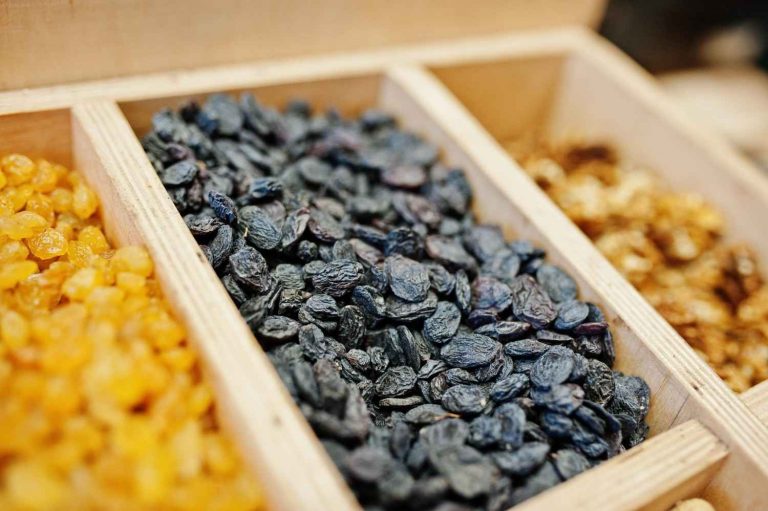

Prunes have long been celebrated for their health benefits, particularly in promoting digestive health. However, recent research reveals that these nutrient-dense fruits may also play a pivotal role in bone health. As the population ages, the prevalence of osteoporosis and bone density issues continues to rise. Many individuals are seeking natural ways to strengthen their bones and enhance overall wellness. This is where prunes come into the spotlight, providing a delicious and practical solution to a pressing health concern.
The link between nutrition and bone health has been extensively studied, with specific nutrients proving essential for maintaining strong bones. Calcium and vitamin D are often at the forefront of these discussions. However, prunes offer a unique blend of nutrients that contribute to bone density in ways that are still being explored. Their ability to combat oxidative stress and inflammation makes them not just a tasty snack, but a functional food that can support skeletal integrity.
Incorporating prunes into your daily routine can be both enjoyable and beneficial. Whether you prefer them as a standalone snack, in smoothies, or as an ingredient in various dishes, the versatility of prunes allows for easy integration into a balanced diet. Understanding how to effectively utilize prunes can make a significant difference in your health journey. This guide will delve into practical applications, scientific backing, and lifestyle considerations that elevate prunes as a key ally in achieving stronger bones and better health.
The journey to better health is not merely about what you consume but how you approach your overall lifestyle. Making small changes, such as adding prunes to your diet, can lead to substantial benefits over time. This guide aims to empower you with the knowledge and tools to make informed decisions about your health and wellness, starting with the simple yet powerful prune.
Contents
How to Use Prunes for Real Results
- Best Form: Whole dried prunes
- Best Time: Morning or as a mid-afternoon snack
- Expected Result: Improved bone density and digestive health
For Daily Protection
The Prep: Start with a handful of whole dried prunes, ideally organic for maximum nutrient retention. You may also want to have a glass of water on hand to stay hydrated. This simple setup allows you to enjoy the benefits without any complicated preparation.
The Action: Consume 4 to 6 prunes daily, either alone or alongside a breakfast option like oatmeal or yogurt. If you prefer, you can blend them into a smoothie for a nutrient-packed drink. Make sure to chew them thoroughly to aid digestion and nutrient absorption.
The Feeling: After consuming prunes, you may notice a warm sensation in your stomach as your digestive system activates. Over time, this can lead to a feeling of fullness and satisfaction, helping to reduce cravings for less healthy snacks. Expect to feel a boost in energy levels and overall vitality throughout the day.
Pro Tip: Soak prunes in warm water for a few minutes to enhance their softness and sweetness, making them even more enjoyable to eat.
In Smoothies for Added Nutrients
The Prep: Gather ingredients for a smoothie, including your choice of milk or yogurt, a banana, and a handful of spinach. Add 4 to 5 pitted prunes to this combination for an extra nutrient boost. This setup is perfect for a quick breakfast or post-workout replenishment.
The Action: Blend all ingredients until smooth. The prunes will add a natural sweetness, reducing the need for added sugars. Enjoy this smoothie in the morning or as an afternoon pick-me-up, taking advantage of the nutrients in each component.
The Feeling: As you sip your smoothie, the natural sweetness of the prunes will blend beautifully with the other flavors. You’ll feel revitalized and satisfied, with the added benefit of digestive ease from the fiber content in the prunes and spinach.
Pro Tip: Experiment with adding chia seeds or flaxseeds to your smoothie for additional fiber and omega-3 fatty acids.
As a Cooking Ingredient
The Prep: Choose a recipe that complements the sweet and earthy flavor of prunes. Consider making a savory dish like chicken with prunes or a hearty stew. Gather your ingredients, including your protein source, vegetables, and spices.
The Action: Chop the prunes into small pieces and add them to your dish during the cooking process. Their natural sweetness will enhance the flavors of savory dishes, creating a unique flavor profile. Cook according to your recipe instructions, allowing the prunes to soften and infuse their nutrients into the meal.
The Feeling: The final dish will have a delightful balance of sweet and savory, with the prunes adding depth and richness. You’ll enjoy a satisfying meal that not only pleases the palate but also supports your bone health.
Pro Tip: Pair prunes with spices like cinnamon or nutmeg to enhance their flavor in sweet dishes or with rosemary and thyme in savory recipes.
Avoiding Common Mistakes in Prune Consumption
Neglecting Quality
Using low-quality prunes can significantly diminish their health benefits. Non-organic prunes may contain preservatives and added sugars that negate their advantages. Always opt for organic, unsweetened varieties to ensure you receive the maximum nutrient density. This choice enhances the overall effectiveness of prunes in promoting bone health.
Another important aspect is checking the packaging for any additives. Some brands may use sulfites or artificial flavorings that can detract from the natural health benefits. By choosing high-quality products, you ensure that your body receives pure nutrition that supports your wellness goals.
Overconsumption
While prunes are beneficial, moderation is key. Overconsumption can lead to digestive discomfort, such as bloating or diarrhea. Stick to the recommended serving size of 4 to 6 prunes per day to reap the benefits without adverse effects. It’s essential to listen to your body and adjust your intake accordingly.
Balancing prunes with a variety of other fruits and vegetables will ensure a diverse range of nutrients. This approach not only supports bone health but also contributes to overall well-being. Incorporating prunes judiciously allows you to enjoy their benefits without straining your digestive system.
Ignoring Hydration
Prunes are high in fiber, which is excellent for digestion. However, failing to hydrate adequately while increasing fiber intake can lead to constipation and discomfort. Always drink plenty of water throughout the day, especially when consuming prunes. This practice ensures that the fiber can do its job effectively and supports overall digestive health.
If you find yourself feeling sluggish or experiencing digestive issues, reassess your fluid intake. Keeping a water bottle on hand can remind you to stay hydrated and maximize the benefits of your prune consumption.
The Biological Mechanism Behind Prunes and Bone Health
Prunes influence bone health through several biological mechanisms. They contain essential nutrients such as vitamin K, potassium, and magnesium, which play critical roles in bone metabolism. Vitamin K is vital for bone mineralization, while potassium helps in reducing urinary calcium loss. This combination aids in maintaining optimal bone density.
Additionally, prunes are rich in antioxidants that combat oxidative stress. Oxidative stress can lead to bone loss and other health issues. By neutralizing free radicals, prunes help protect bone cells from damage, thereby supporting overall skeletal health. This protective effect underscores the importance of including prunes in a balanced diet for long-term bone health.
Research has shown that regular consumption of prunes can significantly improve bone density, particularly in postmenopausal women. A study published in the journal Osteoporosis International highlights the positive effects of prunes on bone health, demonstrating their potential as a natural strategy for preventing osteoporosis. For further details on this research, visit PubMed.
Choosing the Right Product
- Potency: Look for prunes that offer a high concentration of nutrients. Higher potency ensures that you receive the maximum health benefits.
- Purity: Check for organic certification and minimal additives. Pure products are more effective and healthier.
- Form: Whole dried prunes are preferable to prune juice, which often lacks fiber. The whole fruit provides more comprehensive health benefits.
Understanding Benefits and Risks
| The Benefits | Potential Downsides |
|---|---|
| Rich in vitamins and minerals that support bone health | Overconsumption can lead to digestive issues |
| High in antioxidants that combat oxidative stress | May cause allergic reactions in sensitive individuals |
| Natural source of dietary fiber for digestive health | Quality varies between brands, affecting nutrient content |
Incorporating Healthy Habits
Regular physical activity plays a crucial role in maintaining bone health. Engage in weight-bearing exercises such as walking, jogging, or resistance training to stimulate bone formation. Pairing prunes with exercise can yield even more substantial benefits for bone density.
Additionally, ensure that you are consuming a balanced diet rich in calcium and vitamin D. Foods like leafy greens, dairy products, and fatty fish complement the benefits of prunes and contribute to overall skeletal strength.
Who Should Avoid This?
- Individuals with certain gastrointestinal disorders, such as irritable bowel syndrome
- People who are allergic to stone fruits
- Those on specific medications that may interact with high-fiber diets
Common Questions
Can prunes help with constipation?
Yes, prunes are well-known for their natural laxative effect due to their high fiber content. Regular consumption can promote regular bowel movements.
How many prunes should I eat daily for bone health?
A daily intake of 4 to 6 prunes is recommended for optimal benefits. This amount provides sufficient nutrients without causing digestive discomfort.
Are there any side effects of eating prunes?
While prunes are generally safe, overconsumption can lead to digestive issues such as bloating and diarrhea. Moderation is key.
Is prune juice as effective as whole prunes?
Whole prunes are generally more effective due to their fiber content. Prune juice lacks this essential component, which aids in digestion and nutrient absorption.
The Bottom Line
Incorporating prunes into your diet offers significant benefits for bone health and overall wellness.
- The Truth: Prunes are not a miracle solution but a valuable addition to a balanced diet.
- The Strategy: Consume them regularly for best results, ideally in the morning or as a nutritious snack.
- The Next Step: Consider integrating other calcium-rich foods into your meals for comprehensive bone health.
Get Your FREE Natural Health Guide!
Subscribe now and receive our exclusive ebook packed with natural health tips, practical wellness advice, and easy lifestyle changes, delivered straight to your inbox.