
Olive oil has long been celebrated for its culinary benefits, but its potential to boost omega-3 levels often goes unnoticed. Many individuals struggle with maintaining adequate omega-3 intake, which can lead to various health issues, including inflammation and cognitive decline. The good news is that incorporating olive oil into your daily routine can provide a natural and effective way to enhance your omega-3 levels, supporting overall health and well-being.
This guide delves into the secrets of olive oil, revealing how it can be a powerful ally in your quest for optimal omega-3 intake. By understanding the mechanisms at play and the best practices for using olive oil, you can unlock its full potential. Whether you are looking to improve heart health, enhance cognitive function, or simply boost your mood, olive oil can play a pivotal role.
You will discover practical applications, common mistakes to avoid, and the science behind why olive oil is effective. Furthermore, you will learn how to choose the right product and integrate it into your lifestyle for maximum benefits.
Get ready to transform your approach to omega-3 intake with the incredible power of olive oil.
Contents
How to Use Olive Oil for Real Results
- Best Form: Extra virgin olive oil
- Best Time: During meals
- Expected Result: Increased omega-3 levels
For Daily Protection
The Prep: Start with high-quality extra virgin olive oil. You will also need a fresh salad, rich in leafy greens and colorful vegetables. Prepare a simple vinaigrette by combining olive oil, balsamic vinegar, and a pinch of salt.
The Action: Drizzle the vinaigrette over your salad just before serving. Toss the salad gently to ensure even coating. Aim to consume this salad at least once a day, ideally during lunch or dinner.
The Feeling: After eating, you may experience a pleasant fullness. The olive oil’s richness can create a comforting sensation in your stomach, lasting for several hours.
Pro Tip: Pair your salad with fatty fish like salmon to amplify omega-3 benefits.
Boosting Your Breakfast
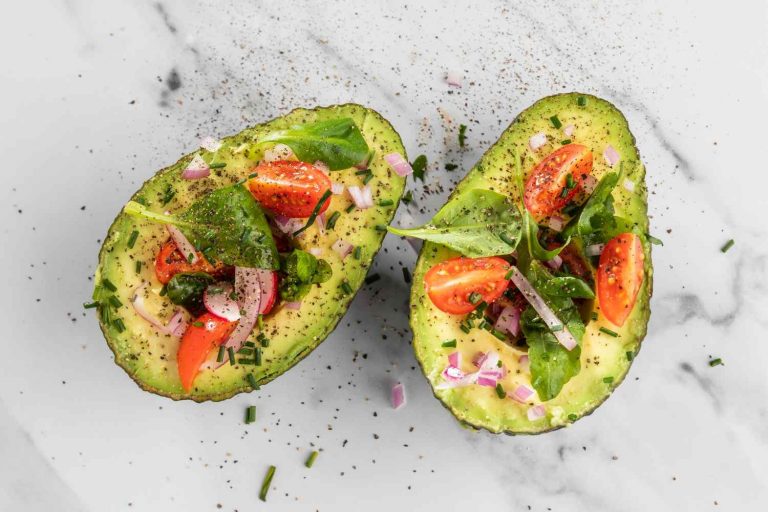
The Prep: Gather a slice of whole-grain toast and ripe avocado. You will also need extra virgin olive oil and a sprinkle of sea salt.
The Action: Toast the bread and mash the avocado on top. Drizzle a tablespoon of olive oil over the avocado and sprinkle with sea salt for flavor. Enjoy this breakfast to kickstart your day with healthy fats.
The Feeling: This combination provides a creamy texture and a satisfying taste. The energy boost can last well into the morning, keeping you focused and alert.
Pro Tip: Add a poached egg on top for an extra protein punch.
The Evening Wind Down
The Prep: Prepare a warm bowl of quinoa or brown rice. Gather vegetables like spinach, bell peppers, and zucchini. You will also need olive oil and your choice of herbs or spices.
The Action: Sauté the vegetables in a tablespoon of olive oil until tender. Mix them into the cooked quinoa or rice. Season with herbs for added flavor.
The Feeling: This dish will provide a warm, comforting feeling as you wind down for the evening. The omega-3s from the olive oil will help promote relaxation and recovery.
Pro Tip: Incorporate garlic for added flavor and health benefits.
Common Mistakes to Avoid
Using Low Quality Oils
Many people overlook the importance of selecting high-quality olive oil. Low-quality oils may not contain the beneficial compounds that promote omega-3 absorption. Often, these oils are blended with cheaper oils, diluting their nutritional value.
To ensure you are getting the maximum benefits, always opt for extra virgin olive oil. Look for certifications and seals that confirm the oil’s quality. This small change can make a significant difference in your health journey.
Overheating Olive Oil
Cooking with olive oil at high temperatures can damage its beneficial compounds. When olive oil is heated beyond its smoke point, it can produce harmful free radicals. These free radicals can negate the health benefits you are trying to achieve.
To preserve the oil’s integrity, use it for sautéing at medium heat or as a finishing oil. This will ensure you reap the omega-3 benefits without compromising the oil’s quality.
Neglecting Pairing with Omega-3 Sources
While olive oil is beneficial, relying solely on it for omega-3 intake is a mistake. Many individuals forget to pair olive oil with other omega-3-rich foods like fatty fish, flaxseeds, or walnuts.
To maximize omega-3 levels, create meals that combine olive oil with these sources. This approach will enhance absorption and provide a balanced nutrient profile, promoting better overall health.
The Science Behind Olive Oil and Omega-3s
The biological mechanism by which olive oil elevates omega-3 levels involves its unique composition of fatty acids. Olive oil is rich in monounsaturated fats, which can enhance the absorption of omega-3 fatty acids in the intestines. This is particularly important since omega-3s are essential fats that the body cannot produce on its own.
One of the key compounds in olive oil is oleic acid. This monounsaturated fat has been shown to reduce inflammation and improve heart health. By incorporating oleic acid into your diet, you not only support omega-3 absorption but also promote a healthier lipid profile.
Clinical evidence supports these findings. A study published in the Journal of Nutrition confirms that the consumption of olive oil can significantly enhance omega-3 levels in the blood. For more detailed insights, visit this link.
Choosing the Right Product
- Potency: Look for oils high in oleic acid, as this enhances omega-3 absorption.
- Purity: Select extra virgin olive oil to ensure you’re getting the most beneficial compounds.
- Form: Prefer oils in dark glass bottles to protect them from light and oxidation.
Benefits vs Risks
| The Benefits | Potential Downsides |
|---|---|
| Improves omega-3 absorption | Can be calorie-dense |
| Supports heart health | May cause digestive discomfort if consumed in excess |
| Reduces inflammation | Quality varies widely among brands |
Habits for Enhanced Benefits
Integrating regular physical activity into your routine can significantly enhance the benefits of olive oil. Exercise helps improve blood circulation, which can facilitate better nutrient absorption, including omega-3s.
In addition, adopting a balanced diet rich in fruits, vegetables, and lean proteins complements the effects of olive oil. This holistic approach promotes overall health and well-being, ensuring you receive the maximum benefits from your dietary choices.
Who Should Avoid This?
– Individuals with olive allergies
– Those on anticoagulant medications
– People with specific gastrointestinal disorders
Common Questions
How much olive oil should I consume daily?
Aim for about two tablespoons of extra virgin olive oil per day to reap its benefits.
Can I use olive oil for cooking?
Yes, but use it at medium heat to preserve its beneficial properties.
Is all olive oil the same?
No, extra virgin olive oil is the highest quality and retains the most nutrients.
Does olive oil contain omega-3s?
Olive oil contains minimal omega-3s but enhances the absorption of other sources.
Final Thoughts
Incorporating olive oil into your daily routine can significantly boost your omega-3 levels while providing numerous health benefits.
- The Truth: The quality of olive oil can vary greatly.
- The Strategy: Use it during meals for optimal absorption.
- The Next Step: Pair it with omega-3-rich foods for enhanced effects.
Get Your FREE Natural Health Guide!
Subscribe now and receive our exclusive ebook packed with natural health tips, practical wellness advice, and easy lifestyle changes, delivered straight to your inbox.