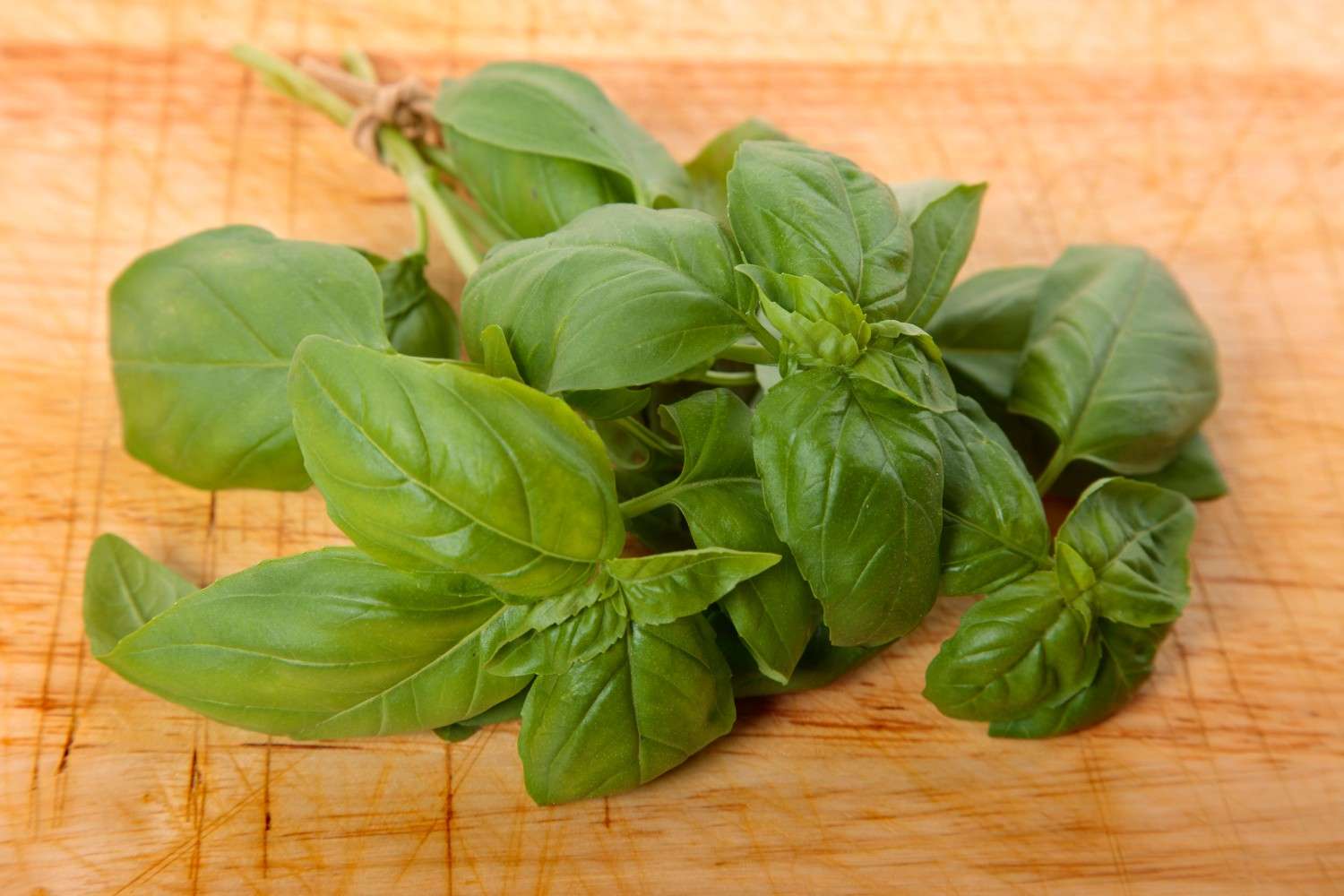

Basil leaves, a staple in many kitchens, offer more than just culinary delight. Their potential benefits extend into the realm of heart health, particularly concerning blood pressure regulation. High blood pressure, often referred to as hypertension, poses significant risks, including heart disease and stroke. While medications are a common route for managing hypertension, integrating natural remedies can serve as a complementary approach. This is where basil leaves come into play, providing a flavorful yet effective method to support heart health.
The aromatic herb is not just a flavor enhancer; it contains compounds known for their anti-inflammatory and antioxidant properties. These attributes can aid in reducing oxidative stress and inflammation, both of which play a role in high blood pressure. By incorporating basil into your diet, you can enjoy its rich taste while potentially reaping its health benefits. This guide will delve into practical applications, common mistakes, scientific insights, and more to help you harness the power of basil leaves for heart health.
Understanding how to effectively use basil leaves can transform your culinary creations into health-promoting meals. The goal is to seamlessly integrate this herb into your daily routine. Whether you are preparing a fresh salad, a hearty pasta, or a soothing tea, basil can enhance flavor while supporting your cardiovascular system. This guide aims to provide you with actionable steps to maximize the health benefits of basil leaves, ensuring that you can enjoy both taste and wellness.
As you navigate through this comprehensive guide, you will discover practical applications, scientific mechanisms, and safety considerations. Empowering yourself with knowledge about basil leaves can make a significant difference in your approach to heart health. Let’s explore how to incorporate this delightful herb into your life effectively and healthily.
Contents
How to Use Basil Leaves for Real Results
- Best Form: Fresh or dried leaves
- Best Time: Daily incorporation in meals
- Expected Result: Enhanced heart health and improved blood pressure
For Daily Protection
The Prep: Gather fresh basil leaves, olive oil, garlic, and a pinch of salt. A simple preparation involves washing and chopping the basil leaves finely. You can also create a basil-infused oil by blending fresh leaves with olive oil. This method preserves the flavor and health benefits.
The Action: Incorporate the basil into your daily meals. Add it to salads, pasta dishes, or sauces. For a basil-infused oil, blend one cup of fresh basil leaves with half a cup of olive oil until smooth. Strain it through a fine mesh sieve to remove solids. Use this oil as a dressing or to sauté vegetables.
The Feeling: You may experience a refreshing taste with every bite. The aroma of fresh basil can uplift your mood. Over time, consistent use may lead to a feeling of overall well-being, particularly in heart health.
Pro Tip: Use basil in smoothies for a refreshing twist and added health benefits.
The Evening Ritual
The Prep: For a calming evening drink, gather fresh basil leaves, hot water, and honey. This herbal infusion can help wind down after a long day and support heart health.
The Action: Boil water and pour it over a handful of fresh basil leaves in a cup. Let it steep for about five to ten minutes. Strain the leaves and add honey to taste. Sip this soothing infusion before bedtime.
The Feeling: The warm liquid can create a calming sensation. You may notice a reduction in stress levels, contributing to lower blood pressure. The aroma can also evoke relaxation, setting the tone for a peaceful night.
Pro Tip: Experiment with adding lemon for an extra flavor boost and vitamin C.
In the Morning Boost
The Prep: Begin your day with a nutrient-packed smoothie. Gather fresh basil leaves, spinach, banana, yogurt, and a splash of almond milk. This combination offers a refreshing start to your day.
The Action: Blend one banana, a handful of spinach, a handful of basil leaves, half a cup of yogurt, and a splash of almond milk until smooth. Pour into a glass and enjoy.
The Feeling: The smoothie provides a refreshing burst of flavor. The combination of basil and spinach offers a unique taste that may invigorate your senses. This morning ritual can set a positive tone for the day ahead.
Pro Tip: Add a scoop of protein powder for an extra nutritional boost.
Avoiding Common Pitfalls
Using Low Quality Herbs
The quality of basil leaves significantly impacts their effectiveness. Low-quality herbs may lack the potent compounds that contribute to heart health. Fresh basil is preferable, as dried versions can lose their beneficial properties over time.
To ensure you are using high-quality basil, purchase from reputable sources. When buying fresh basil, look for vibrant green leaves without blemishes. If using dried basil, check the packaging date and opt for organic varieties when possible.
Overconsumption of Basil
While basil has health benefits, moderation is key. Overconsumption can lead to digestive issues or interact with certain medications. It is essential to incorporate basil gradually into your diet, especially if you are new to using it.
Start with small amounts and observe how your body reacts. If you experience any adverse effects, reduce your intake. Consult with a healthcare provider if you have concerns about how basil may interact with medications.
Neglecting Other Lifestyle Factors
Relying solely on basil for blood pressure management can lead to disappointment. High blood pressure is multifaceted and requires a comprehensive approach. Neglecting other lifestyle factors such as diet, exercise, and stress management can undermine your efforts.
Incorporate basil as part of a balanced diet rich in fruits, vegetables, and whole grains. Regular physical activity and stress-reducing techniques, such as yoga or meditation, can enhance the benefits of basil in supporting heart health.
The Science Behind the Herb
Basil contains several compounds that contribute to its health benefits. One key mechanism is its ability to reduce inflammation. Chronic inflammation is a significant factor in heart disease and hypertension. Basil’s anti-inflammatory properties can help mitigate these risks.
The primary compound responsible for these benefits is eugenol. Eugenol has been shown to have vasodilatory effects, which means it can help widen blood vessels, reducing blood pressure. This compound works by inhibiting certain enzymes that constrict blood vessels, promoting better circulation.
Research supports the beneficial effects of basil on heart health. A study published in the journal “Phytotherapy Research” highlights the antihypertensive effects of basil extracts. Regular consumption may lead to significant reductions in blood pressure levels, making it a valuable addition to a heart-healthy lifestyle. For more details, refer to this PubMed search.
Choosing the Right Product
- Potency: Ensure that the basil product contains a sufficient concentration of active compounds. Higher potency may provide better results.
- Purity: Look for products that are free from additives and contaminants. Pure basil will be more effective and safer for consumption.
- Form: Decide between fresh, dried, or extract forms based on your preference. Fresh basil offers the most flavor, while extracts may provide concentrated benefits.
Benefits vs Risks
| The Benefits | Potential Downsides |
|---|---|
| Rich in antioxidants that combat oxidative stress | Overconsumption may lead to digestive discomfort |
| May help lower blood pressure | Can interact with certain medications |
| Flavorful addition to meals, encouraging healthier eating | Quality can vary significantly among products |
Habits to Enhance Your Wellness
Incorporating regular physical activity can amplify the benefits of basil. Aim for at least 150 minutes of moderate exercise weekly. This can improve cardiovascular health and complement the effects of basil.
Practicing mindfulness or meditation can also be beneficial. Stress management plays a crucial role in maintaining healthy blood pressure levels. Pairing basil with stress-reducing techniques can enhance your overall wellness.
Who Should Avoid This?
– Pregnant or breastfeeding women should consult a healthcare provider before consuming large amounts of basil.
– Individuals with low blood pressure should be cautious, as basil may lower blood pressure further.
– People on anticoagulant medications should avoid excessive basil due to potential interactions.
– Those with allergies to plants in the mint family may experience adverse reactions to basil.
Common Questions
Can basil completely cure hypertension?
Basil can support heart health but should not replace prescribed medications or treatments for hypertension.
How can I store fresh basil?
Store fresh basil in a glass of water in the refrigerator or wrap it in a damp paper towel and place it in a plastic bag.
Is dried basil as effective as fresh basil?
While dried basil can still offer health benefits, fresh basil tends to have a higher concentration of beneficial compounds.
Can I use basil oil for health benefits?
Yes, basil essential oil can be used in moderation for aromatherapy or diluted for topical applications, but consult a healthcare provider first.
The Bottom Line
Integrating basil leaves into your diet can be a flavorful approach to supporting heart health.
- The Truth: Basil should complement a balanced diet and healthy lifestyle.
- The Strategy: Use basil daily in meals and beverages for optimal benefits.
- The Next Step: Consider pairing basil with other heart-healthy habits.
Get Your FREE Natural Health Guide!
Subscribe now and receive our exclusive ebook packed with natural health tips, practical wellness advice, and easy lifestyle changes, delivered straight to your inbox.