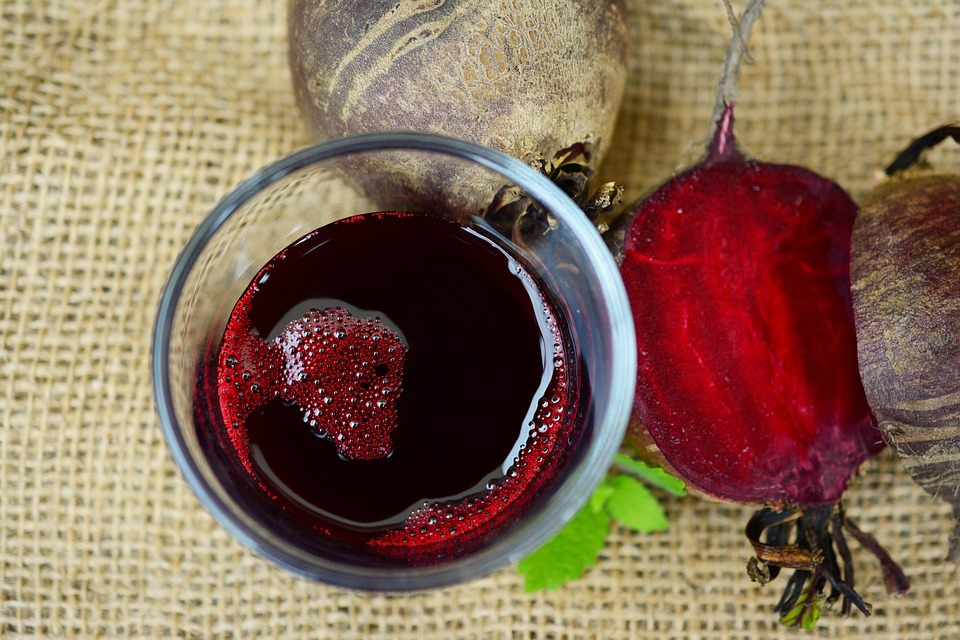

Beets have gained attention for their potential benefits in boosting circulation. Many individuals experience issues related to poor blood flow, such as fatigue, cold extremities, and even cognitive decline. These symptoms can stem from various factors, including lifestyle choices and dietary habits. A natural approach to enhance circulation involves the inclusion of nutrient-dense foods like beets in your diet, which can offer a plethora of health benefits without the need for pharmaceuticals.
The vibrant color of beets is not just for show. This root vegetable contains high levels of nitrates, which the body can convert into nitric oxide. Nitric oxide plays a crucial role in dilating blood vessels, improving blood flow, and ultimately enhancing circulation. By understanding how to properly incorporate beets into your daily routine, you can experience the circulatory benefits they offer.
In addition to beets, other dietary choices can further support healthy circulation. Foods rich in antioxidants, vitamins, and minerals can work synergistically with beets to optimize vascular health. This guide will delve into practical applications, common mistakes, and the scientific mechanisms behind how beets and nutrition can enhance circulation naturally.
Equipping yourself with knowledge about how to effectively utilize beets and other circulatory-boosting foods can empower you to take charge of your health. This comprehensive guide aims to provide actionable insights and a deeper understanding of how to naturally improve circulation through nutrition.

Contents
How to Use Beets for Real Results
- Best Form: Fresh or roasted beets
- Best Time: Morning or pre-workout
- Expected Result: Enhanced blood flow and energy levels
For Daily Protection
The Prep: Start with fresh beets, preferably organic. You will need two medium-sized beets, a tablespoon of olive oil, and a pinch of sea salt. Wash and peel the beets thoroughly. Cut them into small cubes for even cooking. Having a quality grater can also be handy if you prefer grated beets in salads.
The Action: Preheat your oven to 400°F. Toss the beet cubes with olive oil and sea salt. Spread them evenly on a baking sheet lined with parchment paper. Roast for about 30 minutes until tender and slightly caramelized. Allow them to cool before adding to salads or enjoying as a side dish.
The Feeling: When consumed, you may notice a slight warmth in your extremities as your blood vessels expand. This sensation usually lasts for a few hours, making you feel more energized and alert throughout your day.
Pro Tip: Incorporate roasted beets into your morning smoothie for an easy way to start your day with a circulatory boost.
Targeting Acute Fatigue
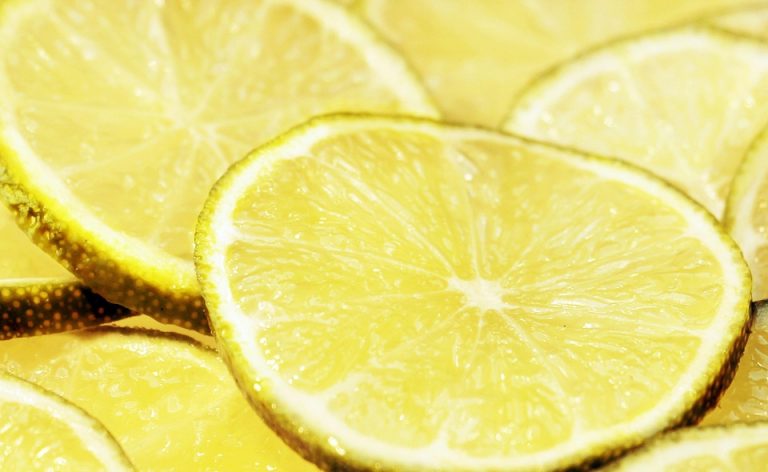
The Prep: Gather two medium-sized beets, a small piece of ginger, half a lemon, and a teaspoon of honey. Wash and peel the beets and ginger. Cut them into smaller pieces to make blending easier.
The Action: In a blender, combine the beets, ginger, lemon juice, and honey. Add a cup of water to facilitate blending. Blend until smooth, then strain the mixture through a fine mesh sieve or cheesecloth to extract the juice. Serve immediately for maximum freshness.
The Feeling: This juice will provide a refreshing and invigorating sensation. You may feel a rush of energy within 30 minutes as the nutrients enter your bloodstream and improve your circulation. The zing from the ginger adds an extra layer of vitality.
Pro Tip: Drink this juice 30 minutes before a workout to enhance performance and endurance.
The Nighttime Routine
The Prep: For this preparation, you will need one medium beet, one tablespoon of apple cider vinegar, and a sprinkle of black pepper. Wash and peel the beet, then slice it into thin rounds.
The Action: In a bowl, combine the beet slices with apple cider vinegar and black pepper. Allow them to marinate for at least 15 minutes. Enjoy these marinated beets as a side dish with dinner, as they will aid in digestion and circulation while you sleep.
The Feeling: Consuming these marinated beets may leave you with a calming sensation, promoting relaxation and improved blood flow while you rest. You might find yourself feeling more refreshed in the morning, thanks to the enhanced nutrient absorption during the night.
Pro Tip: Pair marinated beets with a protein source like grilled chicken or fish for a balanced meal that supports circulation.
Common Errors to Avoid
Neglecting Fresh Ingredients
Using canned or pre-packaged beets often means sacrificing nutritional quality. These products can contain added sugars and preservatives that diminish the health benefits. Fresh beets retain their natural nitrates and antioxidants, which are vital for optimal circulation. Choose fresh beets whenever possible for the best results.
Another common mistake is overlooking the importance of preparation. Cooking methods can affect the nutritional content of beets. For instance, boiling can lead to nutrient loss. Roasting or steaming retains more of the beneficial compounds. Prioritize fresh and minimally processed foods to maximize health benefits.
Inconsistent Consumption
Many individuals make the mistake of consuming beets sporadically. Achieving optimal circulatory benefits requires consistency. Incorporating beets into your daily meals can ensure a steady intake of nitrates and other beneficial compounds. Try to make beets a regular part of your diet rather than an occasional addition.
Creating a weekly plan that includes beets can help you stay on track. Consider meal prepping with beets or adding them to smoothies, salads, or side dishes consistently. This approach will enhance your chances of experiencing the benefits over time.
Ignoring Other Nutritional Factors
Focusing solely on beets while neglecting other important nutrients can limit your overall circulatory health. A balanced diet rich in vitamins, minerals, and healthy fats is essential for optimal blood flow. Foods like leafy greens, nuts, and fatty fish can complement the circulatory benefits of beets.
Incorporate a variety of colors on your plate to ensure you’re getting a wide range of nutrients. This diversity in your diet will support not only circulation but also overall health. A holistic approach to nutrition is crucial for maximizing the benefits of beets and other foods.
The Mechanisms Behind Circulation Improvement
The biological mechanism of how beets enhance circulation primarily revolves around their high nitrate content. When consumed, nitrates are converted into nitric oxide in the body. This compound plays a pivotal role in vasodilation, which is the widening of blood vessels. As blood vessels expand, blood flow increases, leading to improved oxygen delivery to tissues and muscles.
Key compounds in beets include betalains, which are responsible for their vibrant color and possess antioxidant properties. These antioxidants help combat oxidative stress, contributing to vascular health. The synergistic effect of nitrates and antioxidants in beets makes them a powerful ally in improving circulation.
Clinical evidence supports the benefits of dietary nitrates found in beets. Research has shown that these compounds can significantly enhance exercise performance and reduce blood pressure. For more detailed information, you can explore studies on this topic through PubMed.
Choosing the Right Product
- Potency: Look for products that specify the nitrate content. Higher potency can lead to better results.
- Purity: Ensure that the product is free from additives and preservatives. This ensures you are receiving the full benefits of the beets.
- Form: Choose between whole beets, juice, or powder based on your preference and lifestyle. Each form has its own benefits and uses.
Benefits vs Risks
| The Benefits | Potential Downsides |
|---|---|
| Improved blood flow and oxygenation | Possible gastrointestinal discomfort for some individuals |
| Enhanced athletic performance | May interact with certain medications, especially blood thinners |
| Rich in antioxidants and vitamins | Excessive consumption can lead to beeturia, a harmless condition that turns urine pink |
Habits for Optimal Circulation
Incorporating regular physical activity into your routine can significantly enhance circulation. Engaging in aerobic exercises, such as walking, cycling, or swimming, promotes blood flow and strengthens the cardiovascular system. Aim for at least 150 minutes of moderate-intensity exercise each week.
Staying hydrated is equally important. Dehydration can lead to thicker blood and slower circulation. Drinking adequate water throughout the day ensures that your blood remains fluid, facilitating better flow and nutrient transport.
Who Should Avoid This?
– Individuals on blood pressure medication
– Those with certain kidney conditions
– People who have a history of oxalate-related kidney stones
– Pregnant women should consult healthcare providers before increasing beet intake
Common Questions
Can beets help with high blood pressure?
Yes, the nitrates in beets can help lower blood pressure by improving blood vessel function.
How often should I consume beets?
Incorporating beets into your diet several times a week can maximize their benefits.
Are there any side effects of eating beets?
Some individuals may experience digestive discomfort or a temporary change in urine color.
Can I take beet supplements instead of eating beets?
While supplements can be effective, whole foods provide additional nutrients that supplements may lack.
The Bottom Line
Boosting circulation naturally with beets and nutrition is a practical approach to enhancing overall health.
- The Truth: Not all individuals will experience the same benefits.
- The Strategy: Incorporate beets consistently into your diet for optimal results.
- The Next Step: Consider combining beets with regular exercise for enhanced circulatory health.
Get Your FREE Natural Health Guide!
Subscribe now and receive our exclusive ebook packed with natural health tips, practical wellness advice, and easy lifestyle changes, delivered straight to your inbox.